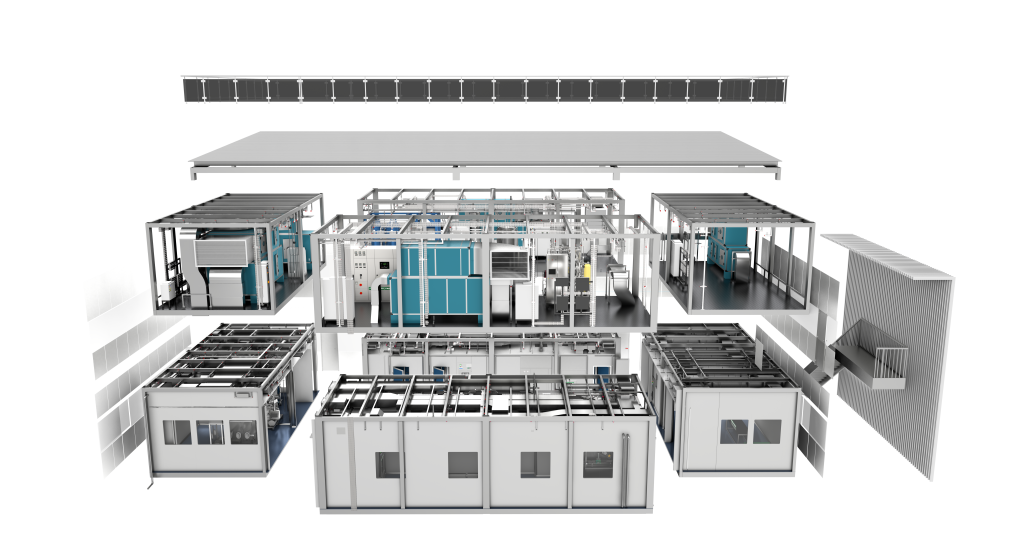
Facility development in the pharmaceutical and biotech sector is a complex process, influenced by strict regulatory requirements, multi-vendor coordination, and high expectations around quality and reliability. While the end-to-end nature of a turnkey solution helps reduce time-to-market, execution discipline and long-term operational performance remain critical success factors.
At Pharma Access, we apply advanced design and engineering practices to deliver digital-ready, cGMP-compliant facilities that are built to minimize compliance gaps and equipment-related failures. By integrating robust utilities, automation-ready infrastructure, and monitoring systems during the facility design stage, we enable pharma plants to operate reliably post-handover. One of the most effective ways to sustain this reliability over the facility lifecycle is through predictive maintenance in pharma facilities.
Downtime Challenges in Pharma Manufacturing
Pharmaceutical and biotech manufacturing environments face several operational challenges, including data integrity risks, regulatory scrutiny, and quality deviations. Among these, unexpected equipment downtime remains one of the most disruptive.
Unplanned shutdowns often occur due to unforeseen equipment failures, component degradation, or insufficient visibility into asset health. These events can be especially costly when they coincide with production schedules or regulatory commitments. The situation becomes more complex if critical spare parts are unavailable or if maintenance teams lack early warning indicators. For high-value pharma facilities, downtime directly impacts productivity, compliance, and operational continuity.
What is Predictive Maintenance and How it Works
Traditionally, pharma facilities have relied on preventive maintenance, which involves scheduled inspections and servicing based on time or usage intervals. While effective to an extent, this approach does not always detect early-stage equipment degradation.
Predictive maintenance, by contrast, uses real-time data and condition monitoring to assess equipment health and predict potential failures before they occur. This approach relies on sensors, automation systems, and data analytics to continuously track parameters such as vibration, temperature, pressure, and energy consumption. Maintenance actions are then triggered based on actual equipment condition rather than fixed schedules.
In modern biopharma facilities, predictive maintenance is enabled by digital infrastructure designed into the plant from the outset.
Role of AI and IoT in Predictive Maintenance
While predictive maintenance can be implemented without AI, artificial intelligence significantly enhances its effectiveness. AI helps identify critical components that require priority attention and predicts how changes in operating conditions may impact equipment performance, enabling proactive intervention before failures occur. When combined with IoT, these capabilities are further strengthened, as IoT systems continuously collect real-time data from multiple assets and operating environments. Sensor-driven alerts enable timely maintenance actions, ensuring potential malfunctions are detected and addressed well before they affect operations.
Benefits of Predictive Maintenance
Now that we know what predictive maintenance is, let us take a moment to look at how it can enhance the drug manufacturing process.
- Reduced Downtime
Predictive maintenance helps identify equipment issues before they escalate into failures. In pharma and biotech facilities, where uptime is critical, this proactive approach significantly reduces unplanned downtime. Early intervention ensures smoother operations, fewer disruptions, and better adherence to production schedules.
- Cost Savings and Quality Assurance
By ensuring that no maintenance needs to be done under deadline duress, predictive maintenance allows the facility provider to have time to look for the best products to replace potentially malfunctioning parts or even upgrade parts. Not only does this make sure there’s ample time to test and improve the quality of the end product, it also means that since everything can be arranged well in time, no part or service has to be bought at a higher rate, thereby saving lifecycle costs for the end client.
Additionally, predictive maintenance helps the company be more green by reducing energy costs and increasing the life cycle of systems, aligning with energy efficiency in pharma engineering and sustainable execution practices.
Implementation Roadmap for Pharma Companies
Many smart pharma facilities are already moving toward predictive maintenance. Industry surveys indicate growing investment in predictive maintenance software, although integration challenges remain. To implement predictive maintenance effectively, pharma manufacturers should:
- Identify critical systems and assets where predictive maintenance delivers the highest value
- Ensure workforce readiness through training and expert support
- Run pilot programs to validate AI and IoT use cases
- Establish strong data governance and failure analysis practices
- Select proven monitoring platforms and automation systems
- Ensure alignment with regulatory and cybersecurity requirements
At Pharma Access, we encourage integrating predictive maintenance readiness during facility design and engineering, along with sustainability and digital audits, to ensure long-term operational resilience.
Conclusion: ROI and Long-Term Operational Improvements
One of Pharma Access key tools to achieve this pharmaceutical success is to use preventive maintenance to ensure all our plants are working at their best capacity. This ensures that the work finishes on time and is cost-effective, especially due to the combination of digital ready infrastructure and AI enchanted toolkit that Pharma Access provides.
Predictive maintenance plays a vital role in improving the operational performance of modern pharma facilities. When supported by well-engineered turnkey infrastructure, it helps reduce downtime, control costs, and maintain consistent compliance throughout the facility lifecycle.