
Pharma Turnkey Solutions Egypt
About us
We deliver pharma
infrastructure solutions
FOR HEALTHCARE IN EGYPT
AND BEYOND
Services
ENGINEERING PHARMACEUTICAL FACILITIES IN EGYPT
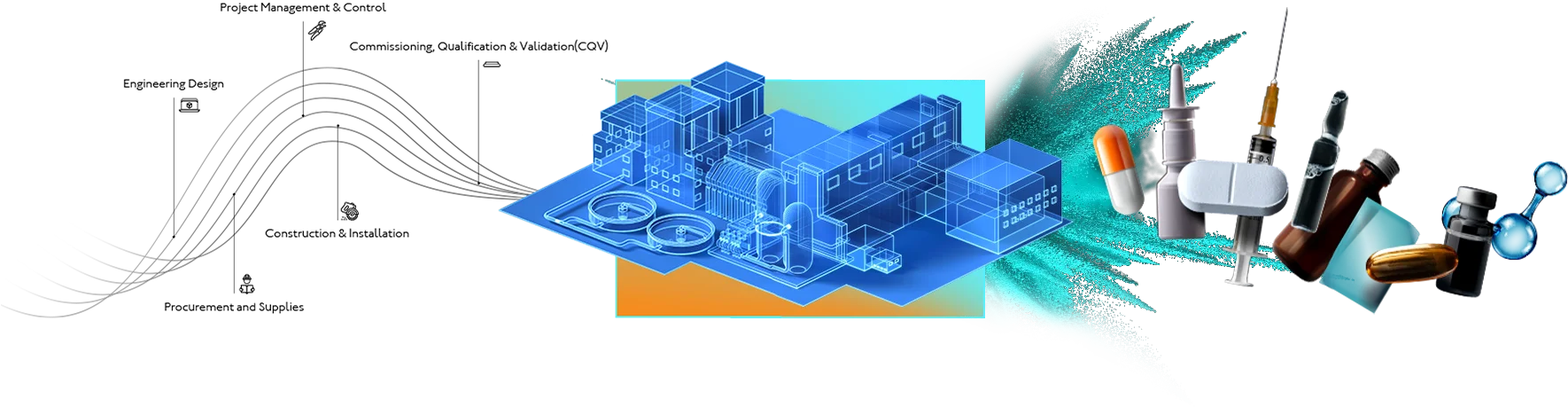
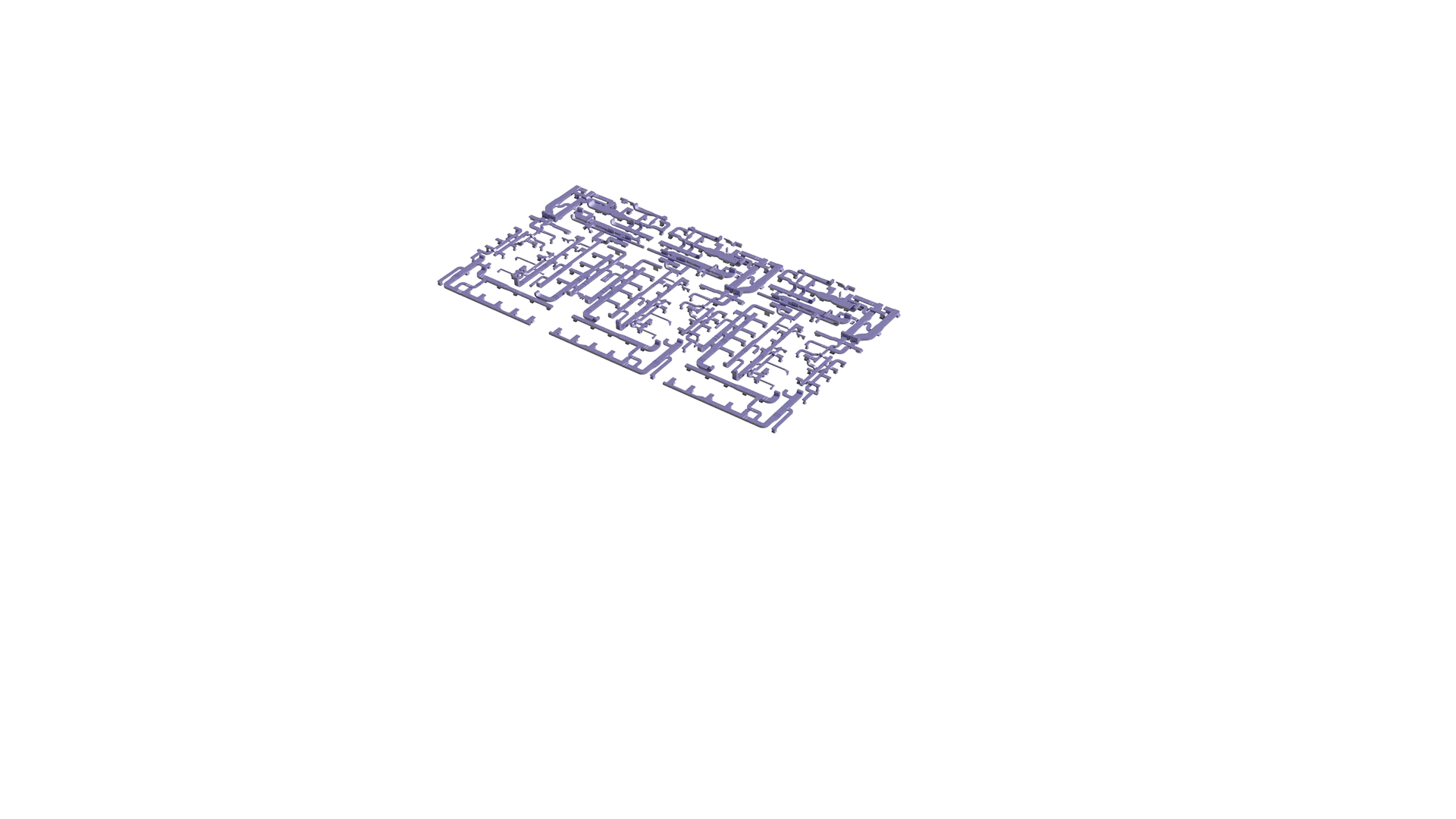
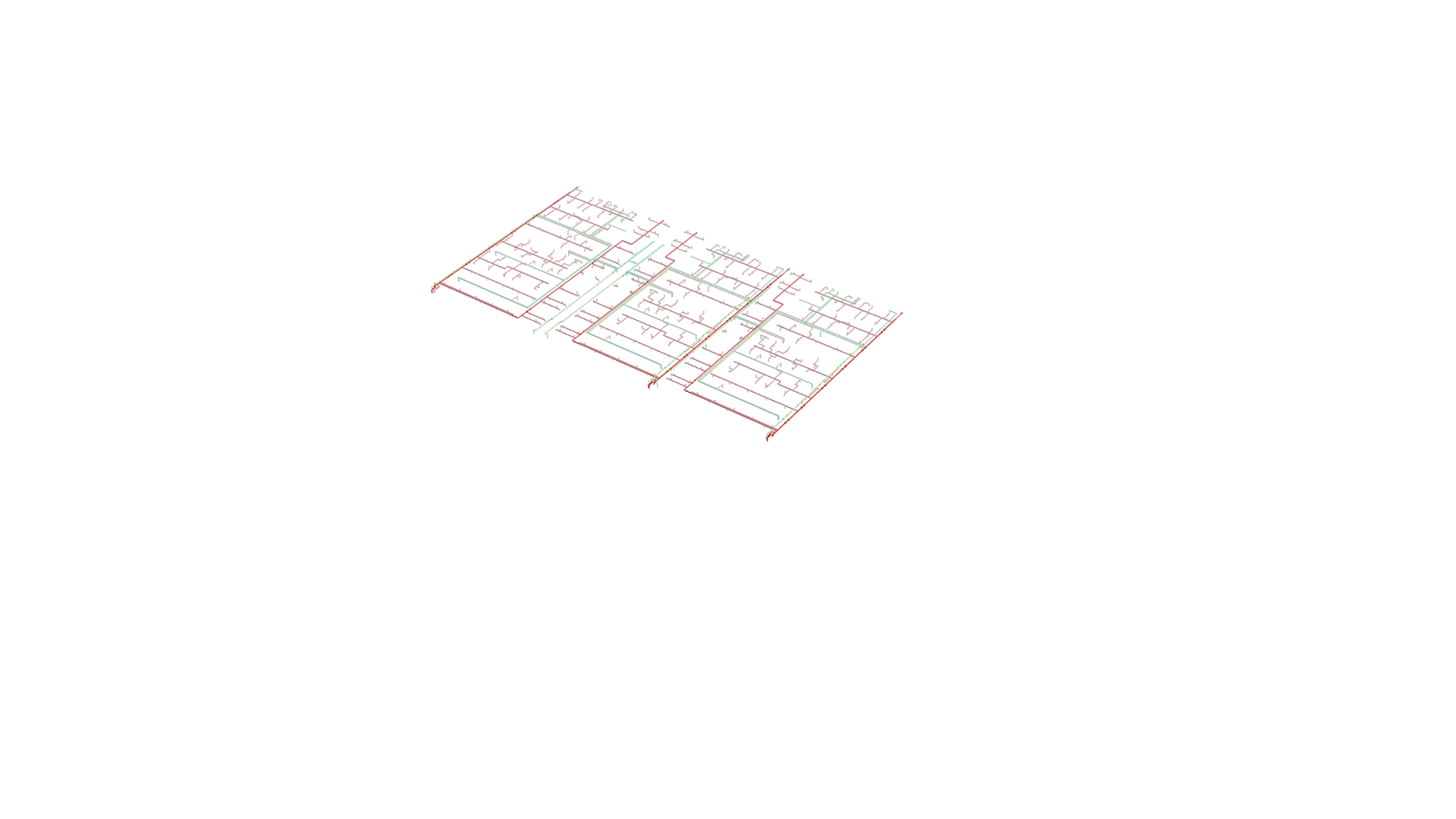
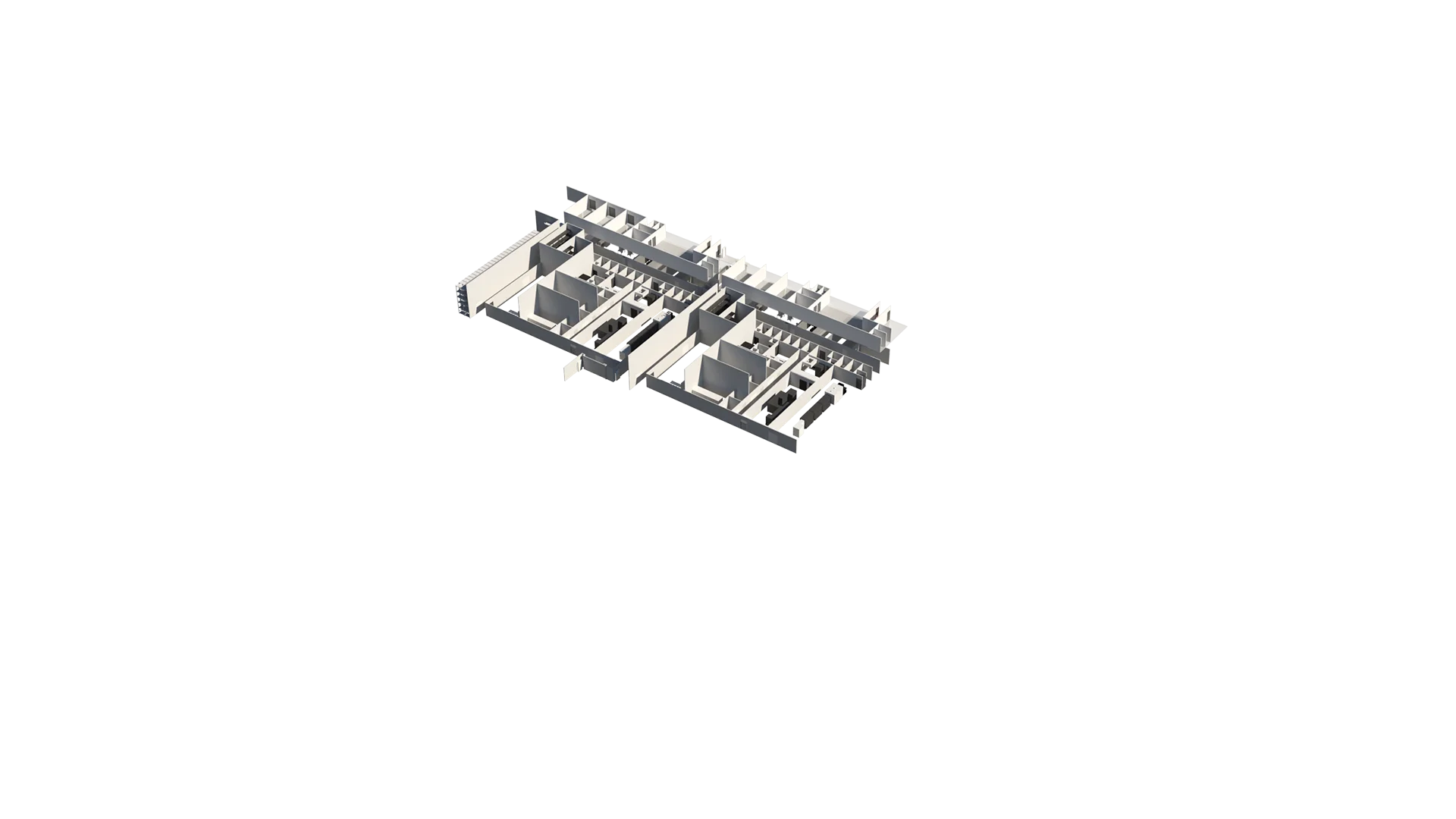
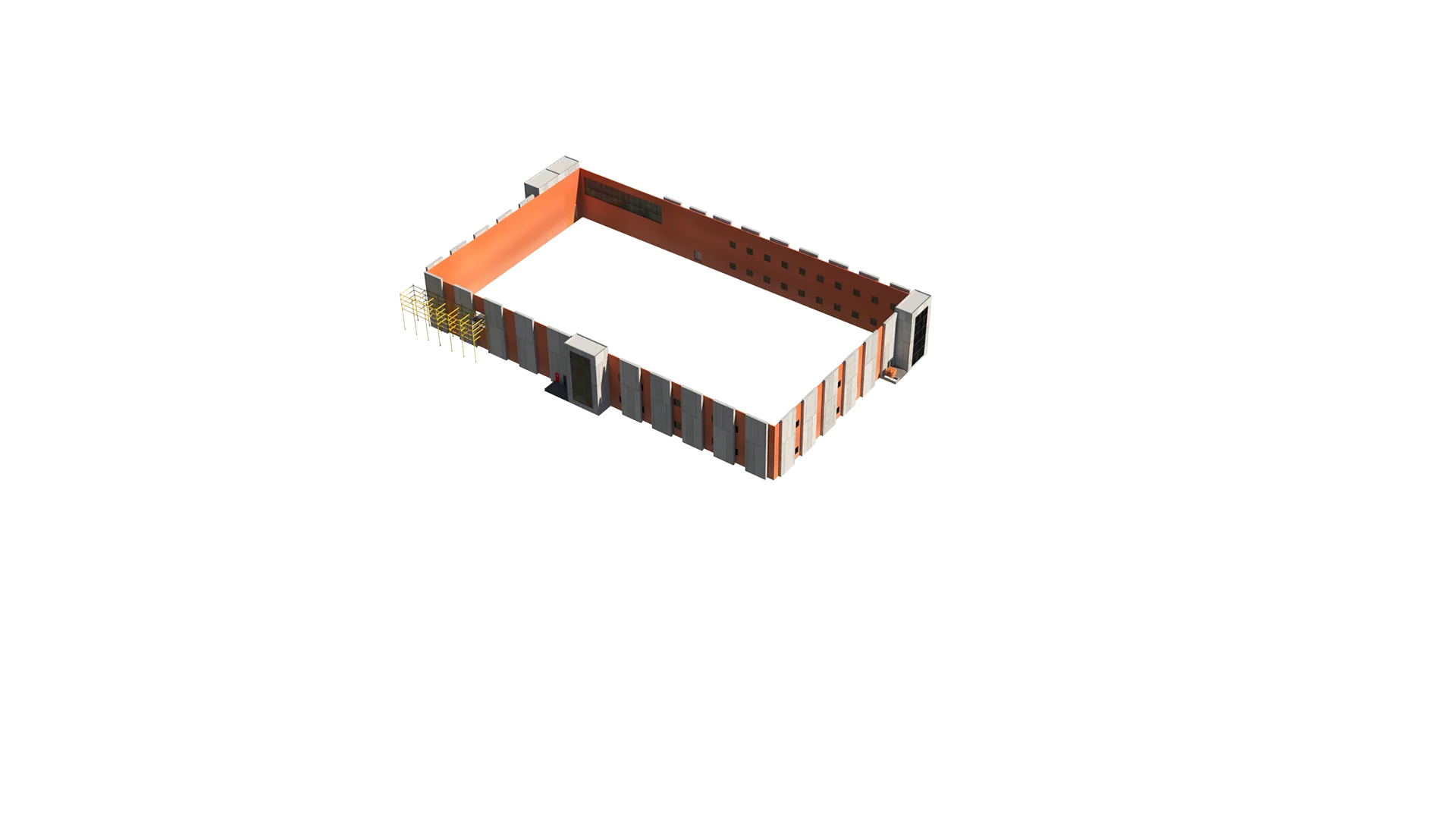
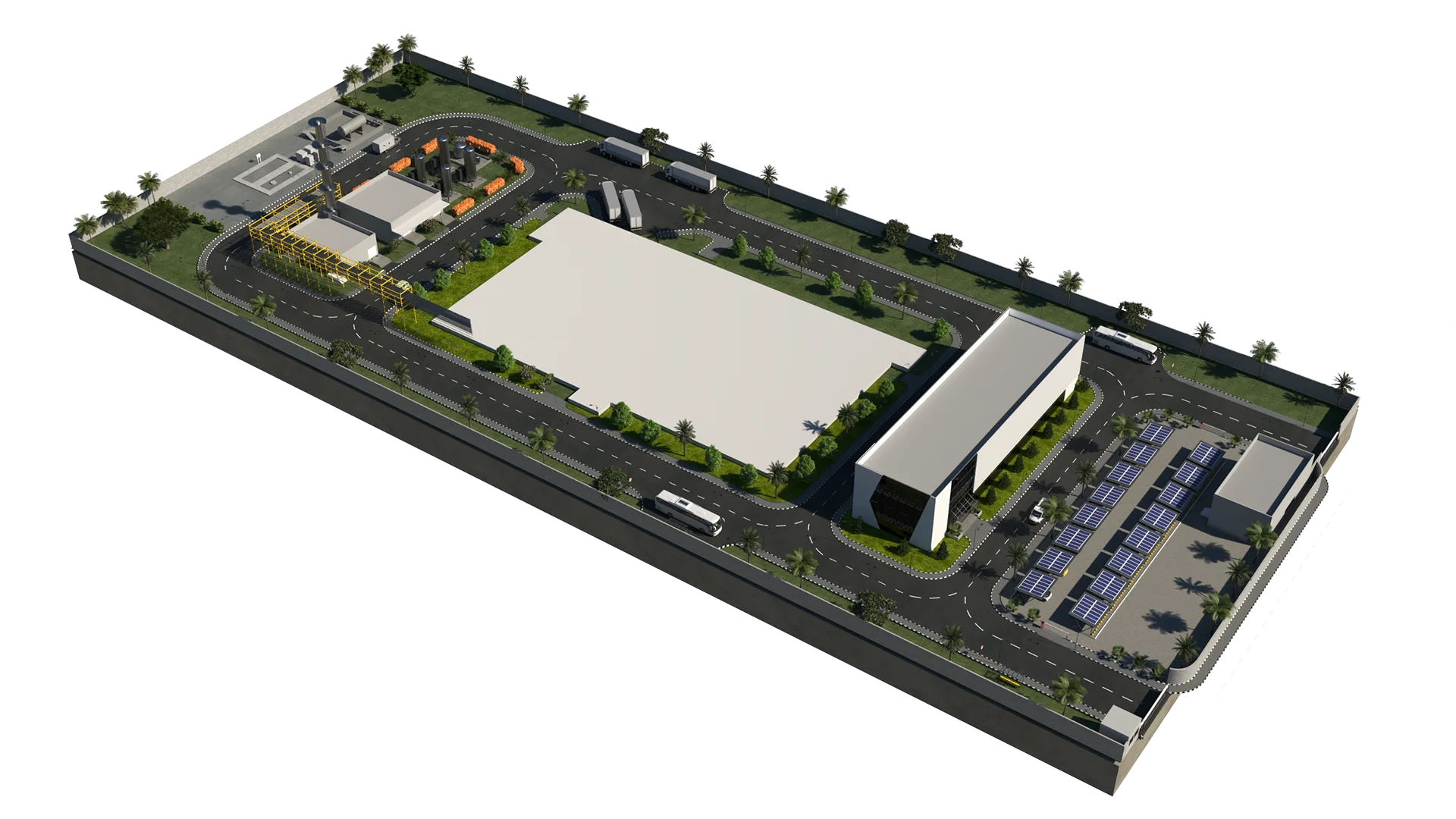
At Pharma Access, we support pharmaceutical plant design and turnkey engineering in Egypt, integrating process layouts, cleanrooms, HVAC, utilities and equipment interfaces through coordinated project delivery.
- Mechanical & Utility System Design
- Security & Fire Fighting System Design
- HVAC System Design
- Piping & Plumbing Design
- Electrical and Lighting Design
- Waste Management
- Landscape and Irrigation
- Process Design
- Modular Clean Room Design
- Automation & IT
- ELV, BMS, EMS
- Fire & Life Safety
- Quality Control Laboratory
- Animal House
- Sustainability & Infrastructure
- Civil, Structural & Architectural
Our Journey
We bring the "turnkey" in turnkey solutions, SUPPORTING PHARMA PROJECTS IN EGYPT
25+ Years 100+ Projects 85+ Clients 18+ Countries

Our turnkey approach integrates engineering, procurement, construction and CQV, aligning equipment, cleanrooms and utilities from design through handover to support GMP-aligned pharma projects in Egypt.
Clientele
Fueling the ambitions of the world's boldest innovators
We empower visionary leaders with the tools and
solutions they need to turn their ambitious pharma
ideas into reality.









Pharma solutions fast-tracked for success
Pharma solutions fast-tracked for success
Our Edge
We push ourselves
to stay ahead, so you can too.
Every pharmaceutical project is unique, and our solutions reflect that. With an agile mindset and flexible execution, we deliver tailored, compliant, and future-ready solutions supporting pharmaceutical manufacturing in Egypt.

Simulation-Based Advanced
Engineering

Achieving Quality by
Design (QbD)

CQV-Focused Design Approach for
Regulatory Compliance

Sustainability and Safety in
Design at the Core
Projects Completed
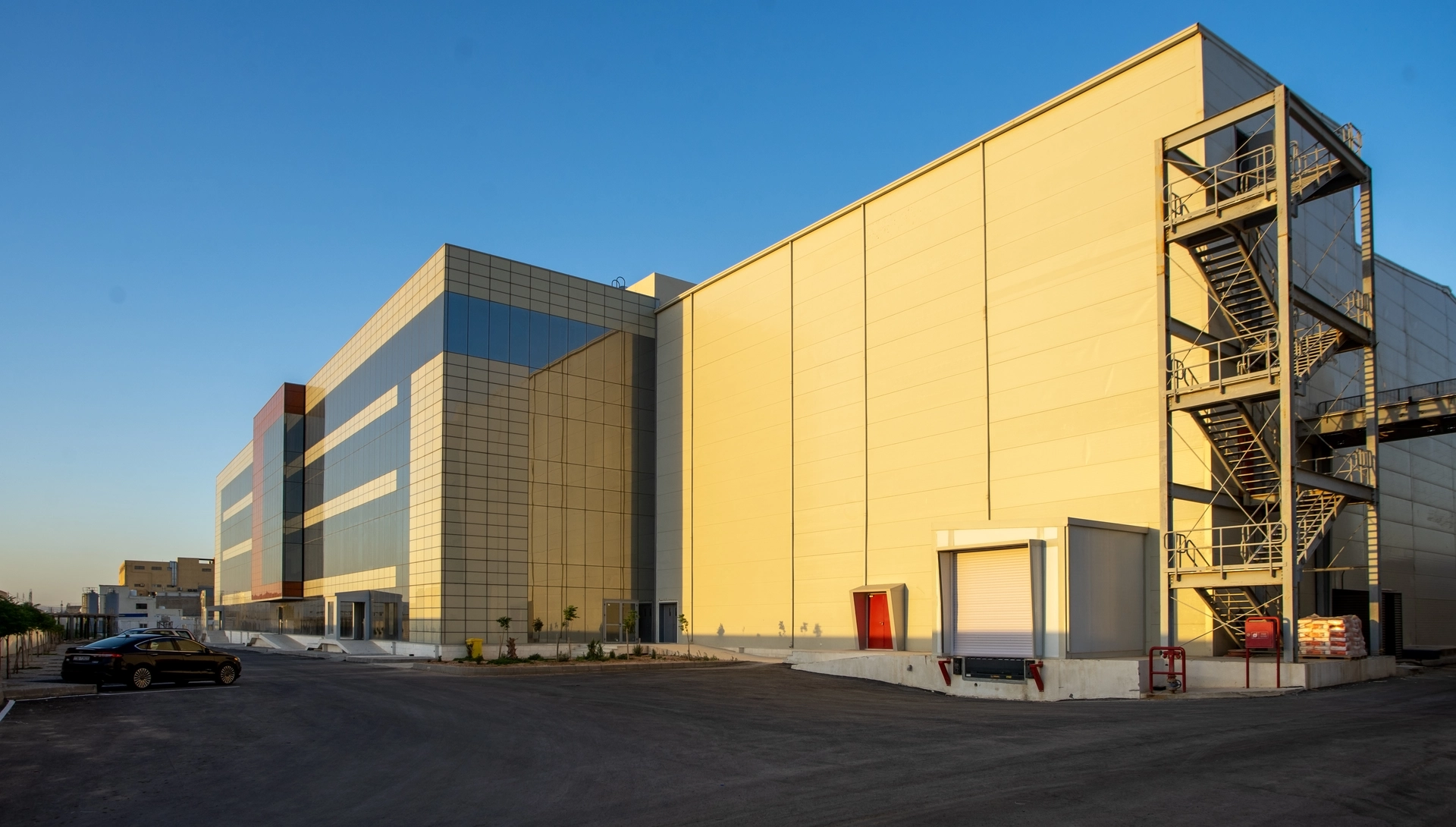
Turnkey execution of multipurpose 210M OSD facility with integrated R&D and pilot plant, engineered for large-scale oral and liquid manufacturing.
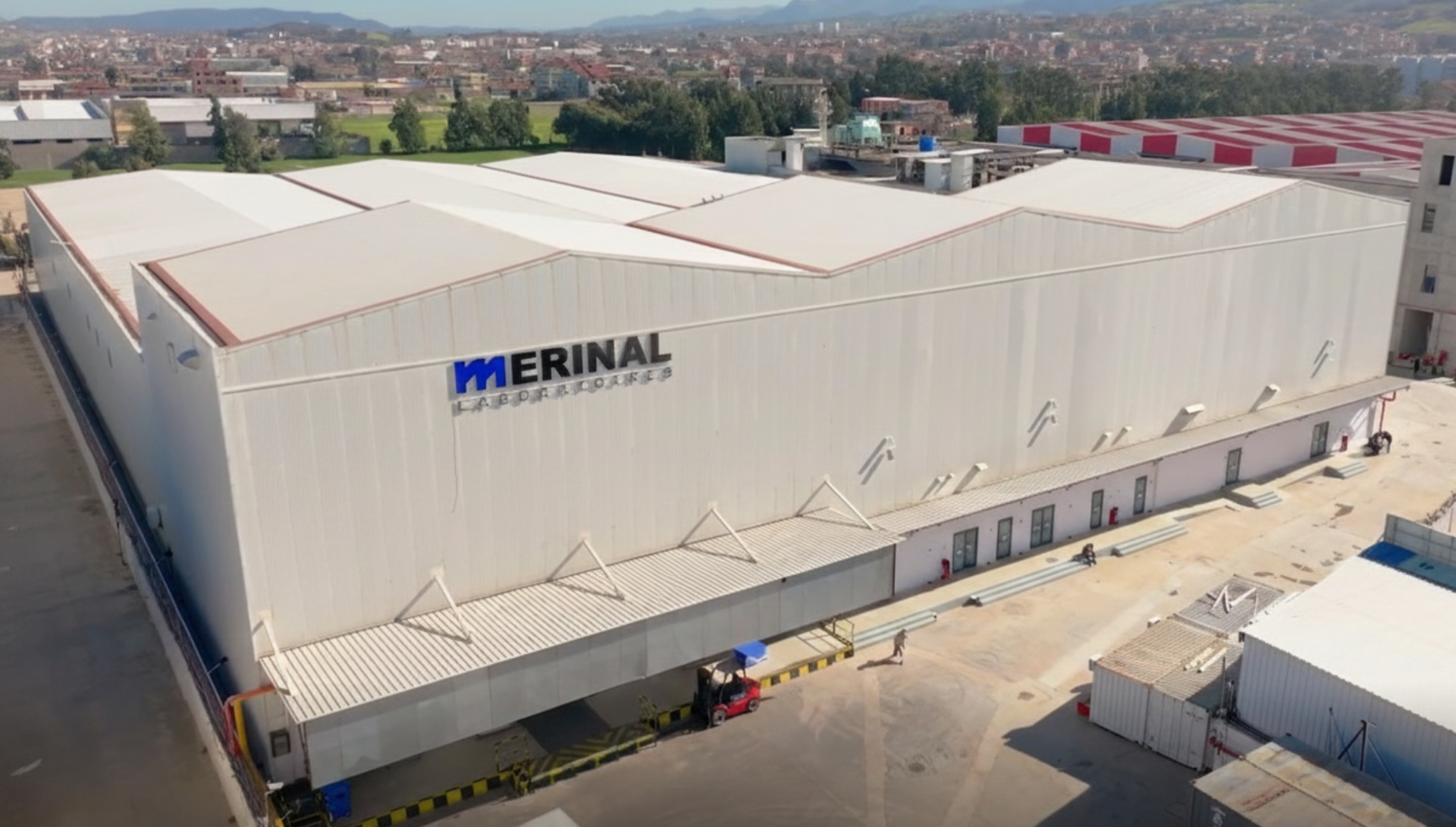
Turnkey delivery of multiproduct facility producing 300M tablets, 800M capsules, and diversified dosage forms exceeding 1.6B units annually.
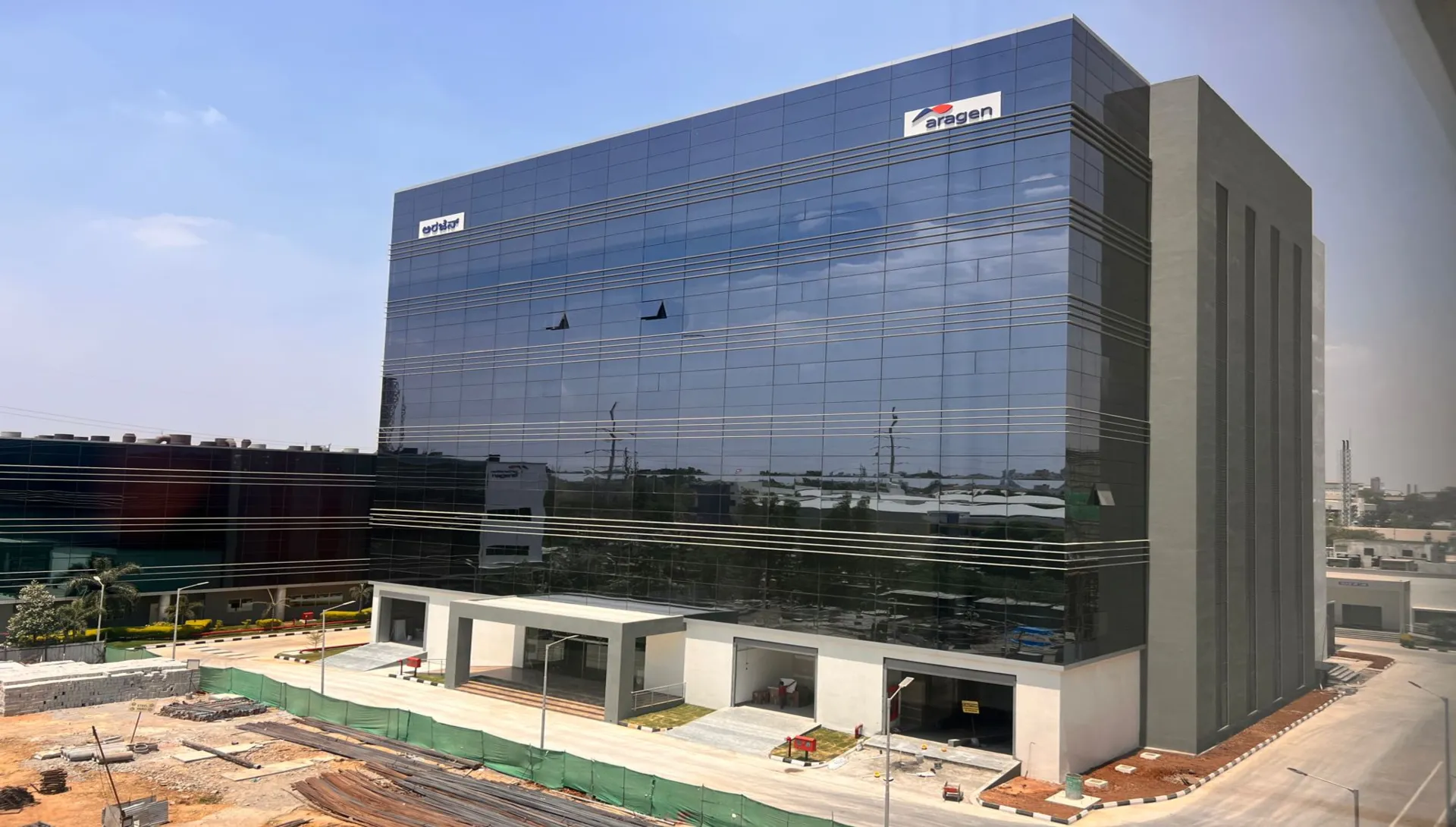
Engineering consultancy and project management for biologics facility producing 15M mAb doses annually with advanced single-use bioreactors.
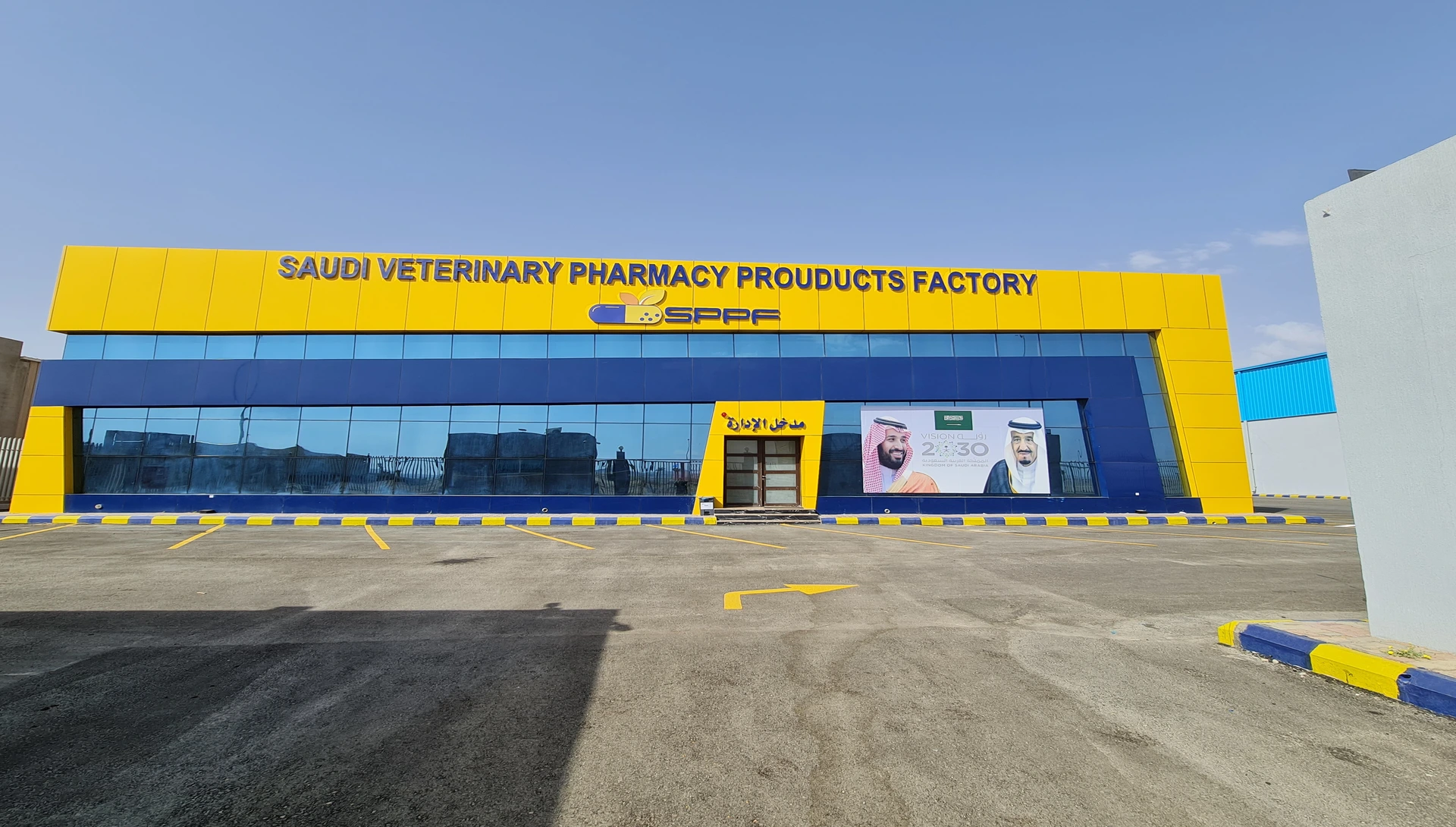
Turnkey delivery of multi-dosage facility supporting sterile, OSD, vial, powder, and OLD production up to 60M units annually.
MMF
Ikea-zation of pharma
engineering,
one modular
structure at a time.
Modular Mobile Facility (MMF), an IP of Pharma Access focused on adopting advanced systems for faster construction, leverages over two decades of EPC expertise to revolutionize pharmaceutical engineering with innovative modular solutions.
- Accelerated
construction - Effortless site
installation - Sustainable – reduced
CO2 footprint - Rapid launch
approach - Precision & quality
- Cost reduction
FAQs
Frequently asked questions
Answers to what pharmaceutical manufacturers ask most when planning a new facility or upgrade in Egypt.
Beyond engineering and construction capabilities, manufacturers should evaluate the partner's experience in GMP facility design, equipment integration, procurement, project management and CQV. Clearly defined project scope, responsibilities, timelines and coordination between engineering disciplines are essential to reducing execution risks and avoiding gaps between project stages.
Pharmaceutical facility design in Egypt should consider Egyptian Drug Authority (EDA) requirements, including the adopted PIC/S GMP Guide. Manufacturing layouts, personnel and material flows, cleanroom classification, contamination control and qualification requirements should be addressed during engineering. Applicable international GMP requirements should also be considered for facilities targeting export markets.
Depending on the facility's existing infrastructure and the scope of work, certain upgrades or expansions can be executed while manufacturing continues. This requires careful planning of construction segregation, HVAC and utility capacities, contamination controls and equipment interfaces. Phased execution and planned shutdowns may be necessary to maintain GMP controls and minimise production disruption.
Project cost and timelines depend on manufacturing capacity, product type, equipment requirements, cleanroom classification, utility infrastructure and construction scope. Procurement lead times, site conditions and qualification requirements also influence delivery schedules. Early feasibility assessments and coordinated engineering help establish realistic budgets, identify project constraints and reduce costly changes during execution.
Equipment vendor inputs and CQV requirements should be considered during the early engineering stages. Equipment specifications, utility requirements, installation interfaces and qualification strategies influence facility layouts and project scheduling. Coordinating these requirements early helps reduce design changes and supports a smoother transition from construction to commissioning and qualification.