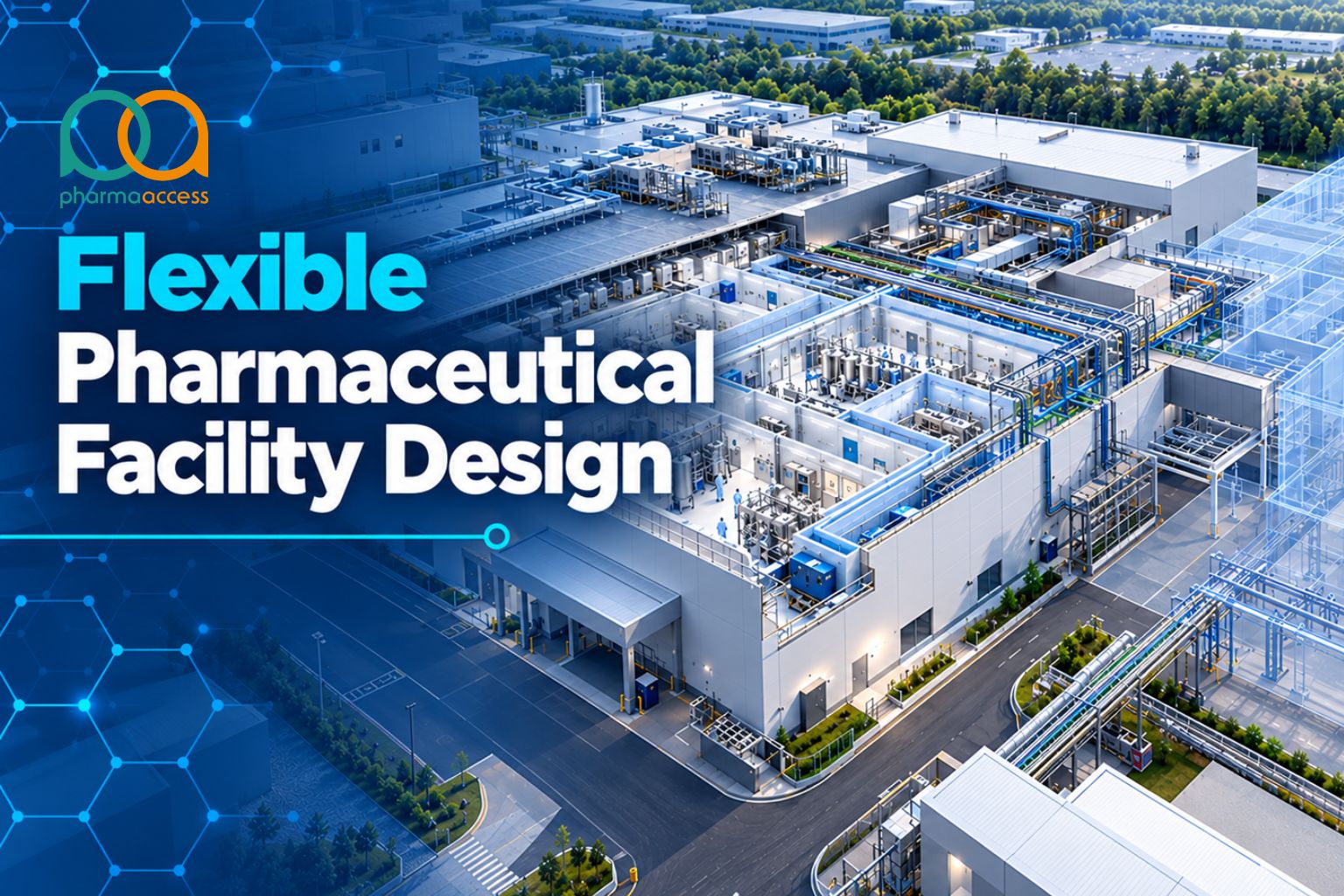
In today’s pharmaceutical landscape, speed to market is not driven by product innovation alone. Regulatory expectations, compliance requirements, engineering complexity, and execution coordination play an equally critical role. Time-to-market in Turnkey Pharmaceutical Solutions now depends as much on how efficiently a facility is planned and delivered as on how quickly a molecule is developed.
For pharmaceutical manufacturers, delays in facility readiness can directly impact commercial launch timelines, market share, and return on investment. This is where an integrated turnkey solution provider becomes a strategic partner rather than just a project contractor.
A turnkey solution brings design, engineering, procurement, construction, installation, commissioning, and validation under a single point of responsibility. Instead of managing multiple vendors and interfaces, pharma companies can rely on one accountable partner to deliver a compliant, ready-to-operate manufacturing environment, allowing internal teams to stay focused on R&D, product strategy, and regulatory submissions.
At Pharma Access, we deliver turnkey solutions that are digital-ready, regulatory compliant, and engineered for predictable execution. Our approach reduces execution risks, minimizes rework, and accelerates operational readiness for biopharma manufacturers.
Why Fragmented Project Execution Slows Time-to-Market
In many pharmaceutical projects, timelines extend not due to lack of expertise, but because of fragmented execution. When different parties handle design, utilities, cleanrooms, automation, construction, and validation under separate scopes, coordination challenges become inevitable.
Even when each vendor performs well individually, gaps often emerge at interfaces. Differences in GMP interpretation, late-stage design changes, and unclear responsibility for compliance decisions typically surface during commissioning or qualification, when corrective actions are costly and time-consuming.
Common causes of delay include:
- Revisions to layouts or utilities during qualification
- Documentation gaps identified during audits
- Repeated validation cycles due to design misalignment
- Vendor coordination issues impacting installation and sequencing
- Internal teams spending excessive time managing interfaces instead of preparing for operations
In regulated environments, such inefficiencies directly affect inspection readiness and commercial timelines.
How Turnkey Solutions Simplify Pharma Project Delivery
A pharmaceutical turnkey solution consolidates responsibility under one experienced partner who manages the entire project lifecycle. From concept design through CQV and handover, all disciplines operate within a coordinated framework.
With Pharma Access as the single point of accountability, engineering decisions are aligned with regulatory expectations from the outset. Facility layouts, cleanroom zoning, utilities, automation, and documentation are developed as one integrated system rather than independent workstreams.
This approach enables:
- Parallel execution instead of sequential handovers
- Early integration of validation and compliance planning
- Faster issue resolution due to clear ownership
- Predictable timelines from design through commissioning
By removing fragmentation, turnkey solutions allow pharma companies to move from project initiation to commercial readiness with greater certainty and control.
Key Benefits of Adopting a Turnkey Solution
Faster Time-to-Market
Integrated execution reduces redesign loops, coordination delays, and late-stage corrections. With one partner managing the entire scope, projects reach operational readiness sooner.
Cost Efficiency Over the Project Lifecycle
While turnkey projects consolidate costs into a single contract, they reduce duplication, rework, and unplanned changes. Streamlined procurement and coordinated installation lead to better lifecycle cost management.
Built-in Regulatory Compliance
An experienced turnkey solution provider embeds cGMP, USFDA, EU GMP, and WHO requirements into design and execution. Validation becomes confirmatory rather than corrective, supporting smoother inspections and approvals.
Reduced Project Risk
Timelines, quality, and compliance are managed under one accountable entity. This significantly lowers execution risk for the client and simplifies governance.
Operational Readiness at Handover
Turnkey delivery ensures that systems are installed, qualified, documented, and ready for use at handover, enabling faster transition to manufacturing operations.
Real-World Impact of Turnkey Solutions
Across the pharmaceutical industry, integrated turnkey solutions have enabled manufacturers to scale production, improve compliance outcomes, and shorten facility delivery timelines. Facilities delivered under a unified execution model consistently demonstrate fewer deviations during audits and faster stabilization post-handover, reinforcing the strategic value of turnkey projects.
What Pharma Companies Should Consider When Choosing a Turnkey Partner
To fully realize the benefits of a turnkey approach, pharma companies should focus on:
- Selecting a provider with proven pharmaceutical and biotech expertise
- Ensuring strong experience in GMP-compliant design and CQV execution
- Evaluating the provider’s ability to integrate digital systems, automation, and cybersecurity
- Establishing clear project objectives, timelines, and governance early
A turnkey solution is only as effective as the depth of expertise behind it.
Conclusion: Turnkey Solutions as a Competitive Advantage in Pharma
Turnkey solutions offer pharmaceutical companies a structured, integrated path to faster time-to-market. By unifying engineering, execution, and compliance under a single expert partner, turnkey delivery reduces complexity, improves predictability, and accelerates operational readiness.
As a turnkey solution provider, Pharma Access delivers scalable, future-ready pharmaceutical manufacturing environments. Our teams manage the full project lifecycle, enabling our clients to focus on innovation, product development, and market growth while we take responsibility for delivering compliant, high-quality, and execution-ready facilities.