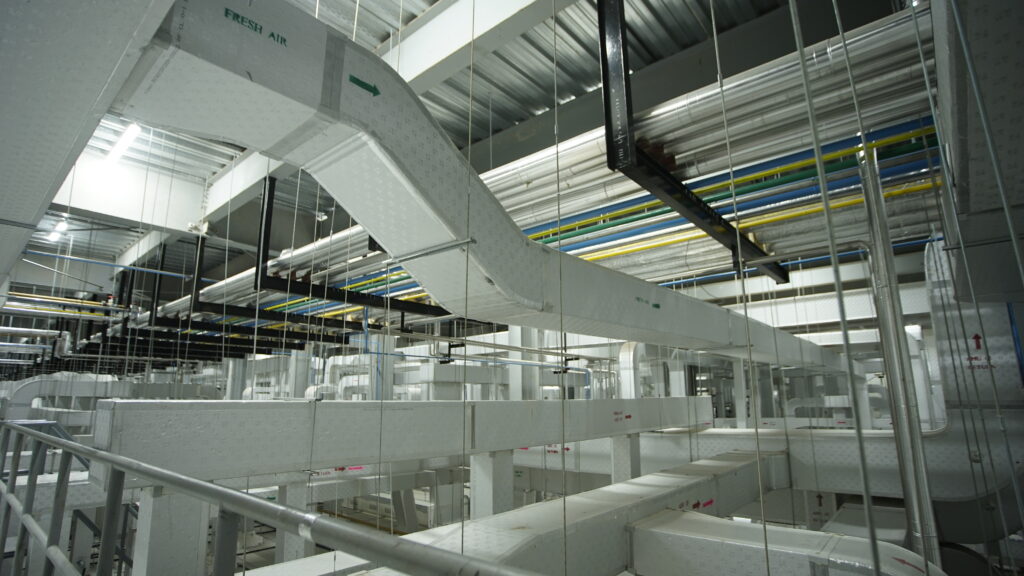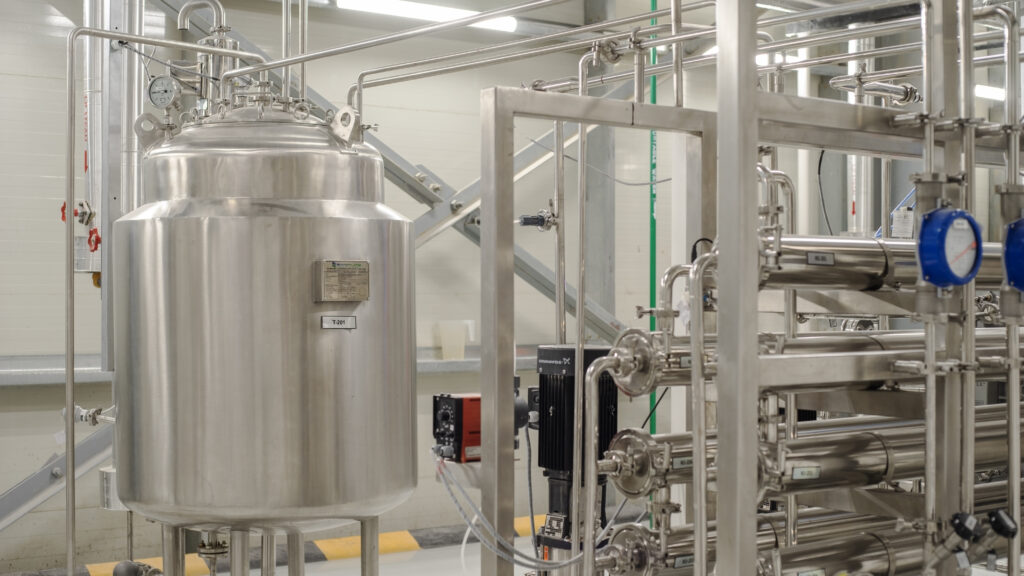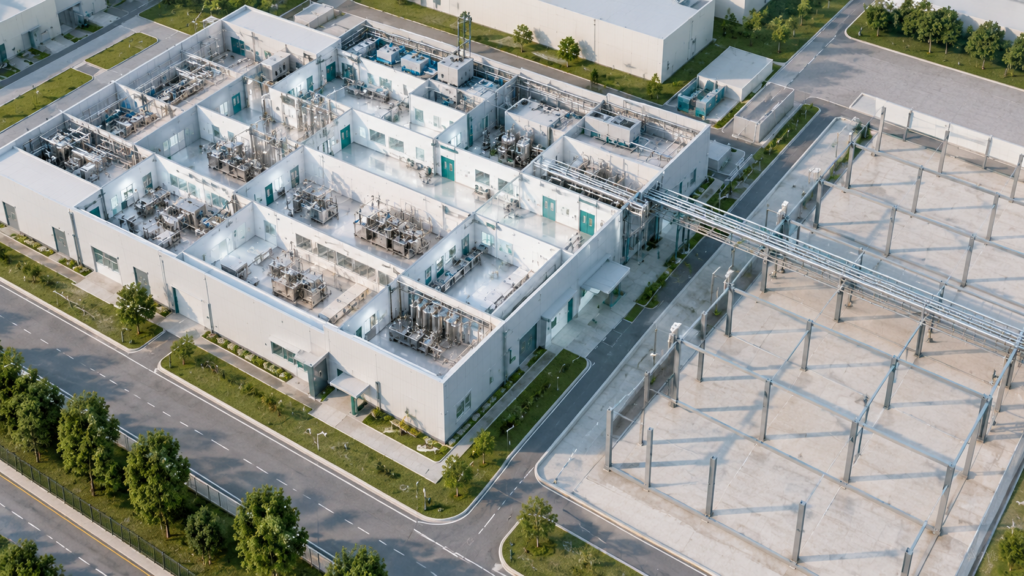
Pharmaceutical Process Equipment Selection: Key Factors for Efficient Manufacturing

Pharmaceutical Process Equipment Selection

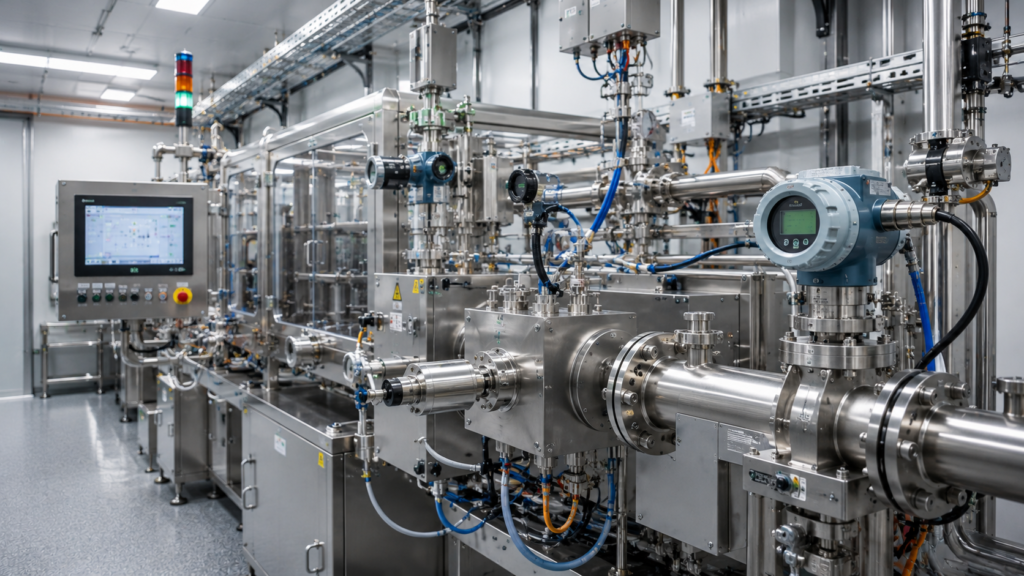
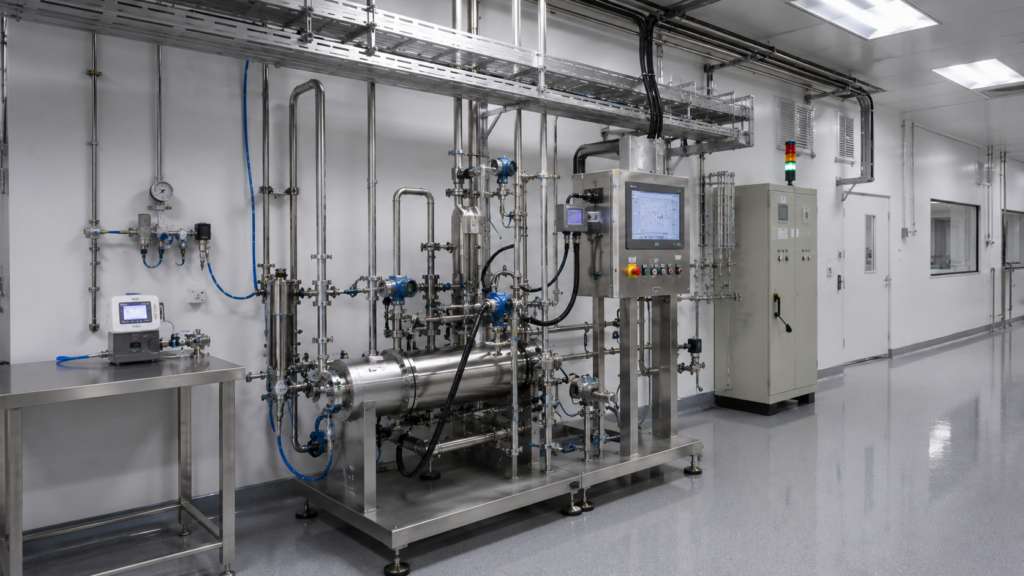
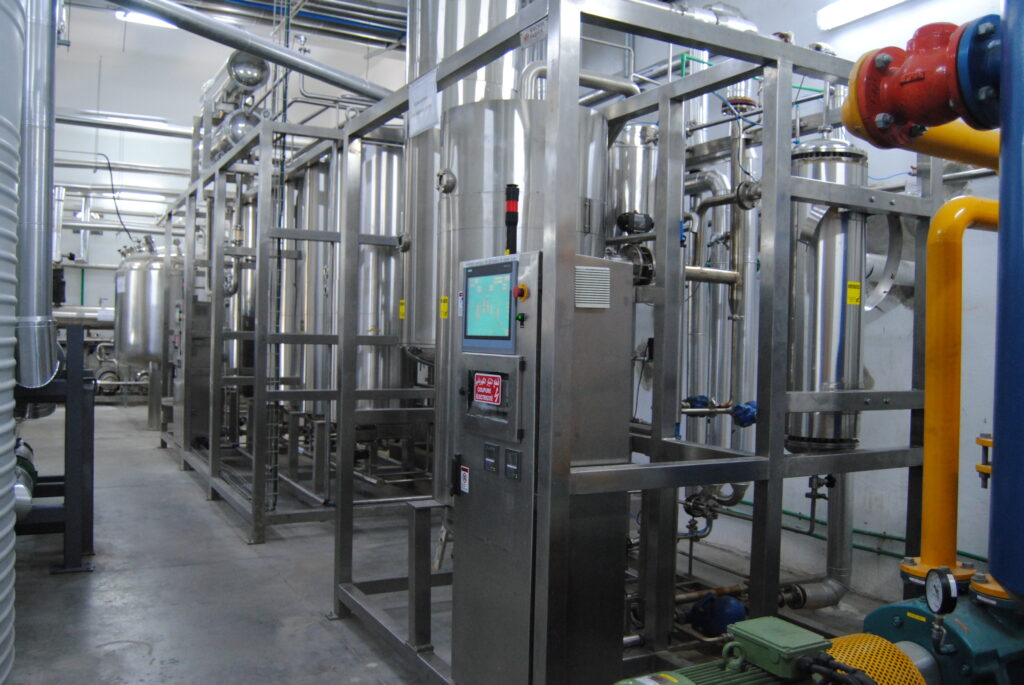
Making medicine is no longer just about scale. It’s about delivering flexibility, precision, and consistency while adhering to increasingly stringent cGMP and global regulatory requirements. A lot rides on one decision: pharmaceutical process equipment selection. Equipment isn’t just there to perform a process. It impacts product quality, operating efficiencies, readiness to comply, and future scalability. The wrong equipment can bake inefficiencies into your facility for years to come. Equipment selection should be treated as a core engineering and design decision, not a downstream procurement activity.

When Equipment Selection Goes Wrong

In many projects, equipment is selected based on initial cost, vendor familiarity, or isolated process requirements. While this may seem efficient in the short term, it often creates long-term challenges across operations, validation, and compliance.

Facilities may experience:

  • Frequent process interruptions due to mismatched equipment capacity
  • Difficulties in cleaning, validation, and maintenance
  • Integration challenges with utilities and automation systems
  • Reduced operational flexibility when product requirements change

These issues are not always visible during installation. They emerge during operations, when the cost of correction is significantly higher.


Rethinking Equipment Selection in Modern Pharma Facilities

Effective design of modern facilities requires engineered equipment selection aligned with process and regulatory intent, not just adding more assets. Equipment selection needs to consider project goals around efficiency, compliance and flexibility.

That includes how the equipment works within the context of:

  • Process flow 
  • Plant layout 
  • Utilities 
  • Automation/data integrity 
  • Future manufacturing capacity 

Equipment selection should be part of your overall pharma engineering strategy, not a separate task.

equipment

Key Factors That Define the Right Equipment Choice

Selecting the right pharma manufacturing equipment requires balancing multiple considerations. These factors must work together to support both immediate production needs and long-term operational goals.

  • Process Compatibility and Performance

The first and most fundamental question is whether the equipment aligns with the intended process.

Equipment should:

  • Support required batch sizes and process conditions
  • Maintain consistency and repeatability
  • Deliver reliable performance under varying production demands

Mismatch at this level often leads to inefficiencies that cannot be corrected through adjustments later.

flexibility ability
  • Flexibility for Changing Production Needs

Pharmaceutical manufacturing is becoming increasingly dynamic especially with the rise of multi-product facilities and biologics.. Facilities must be able to adapt to new products, varying batch sizes, and evolving market demand.

Flexible equipment allows:

  • Faster changeovers between products
  • Scalability without major capital investment
  • Reduced downtime during transitions

Rigid systems may meet current requirements but limit future growth.

  • Ease of Cleaning and Validation

In regulated environments, equipment must be designed for compliance as much as performance.

Key considerations include:

  • Cleanability and hygienic design
  • Compatibility with cleaning and sterilization processes
  • Ease of validation and documentation

Equipment that is difficult to clean or validate can slow down operations and increase compliance risk and increase compliance risk under GMP guidelines.

system Integration
  • Integration with Facility and Utilities

Equipment does not operate independently. It must integrate seamlessly with the overall facility.

This includes:

  • Alignment with process flow and layout
  • Compatibility with utilities such as water, steam, and compressed air
  • Integration with automation and control systems

Poor integration often leads to operational inefficiencies and increased project complexity.

  • Automation and Data Integrity

Modern pharmaceutical facilities rely heavily on automation for both efficiency and compliance.

Equipment should support:

  • Data capture and monitoring
  • Integration with SCADA, BMS, and other systems
  • Audit trails and traceability

This ensures alignment with regulatory expectations and supports consistent operations.

  • Lifecycle Cost, Not Just Capital Cost

Focusing only on upfront cost often leads to higher expenses over the lifecycle of the facility.

A better approach considers:

  • Maintenance requirements
  • Energy consumption
  • Downtime and reliability
  • Spare parts availability

The goal is to select equipment that delivers value across its entire lifecycle.

  • Vendor Capability and Support

Equipment performance is also influenced by the capability of the vendor.

Important factors include:

  • Technical expertise and industry experience
  • After-sales support and service
  • Availability of documentation and compliance support

Strong vendor partnerships reduce risk and improve long-term reliability.

equipment selection

Equipment Selection and Manufacturing Efficiency

The right equipment selection has a direct impact on manufacturing efficiency.

When aligned correctly:

  • Processes run more consistently
  • Downtime is minimized
  • Changeovers are faster
  • Compliance requirements are easier to maintain

Efficiency is not achieved by adding more equipment. It is achieved by selecting the right equipment and integrating it effectively.

Why Traditional Selection Approaches Fall Short

Traditional approaches often treat equipment selection as a procurement-driven activity.

This leads to:

  • Decisions made without full visibility of the process and facility requirements
  • Limited coordination between engineering and operations teams
  • Challenges during installation, integration, and validation

As pharmaceutical projects become more complex, this approach is no longer sufficient. Integrated, engineering-led selection processes are essential for ensuring that equipment supports both compliance and efficiency.

Delivering the Right Equipment Strategy from Day One

To ensure optimal outcomes, equipment selection must be approached strategically.

Engineering teams should:

  • Evaluate equipment within the context of the full facility design
  • Align selection with process, utilities, and automation systems
  • Consider long-term operational and compliance requirements
  • Involve stakeholders across engineering, quality, and operations early

This approach reduces risk and ensures smoother project execution.

How Pharma Access Supports Equipment Selection

Equipment selection at Pharma Access is never made in isolation. It is part of the overall project plan. By combining pharma engineering expertise with execution experience, we ensure that process equipment aligns with process requirements, facility design, and global regulatory expectations. Helping clients realize efficient, scalable, and future-proof manufacturing.

conclusion

Conclusion

Choosing appropriate equipment is one of the most critical decisions during facility design. The impact reaches far beyond day-to-day operations and into overall facility performance. Strategic equipment selection and integration enable efficiency, compliance, and scalability. Success in today’s pharmaceutical manufacturing is measured by quality, not by how much equipment you have.

FAQs

1. What is pharmaceutical process equipment?

It refers to equipment used in manufacturing processes such as mixing, granulation, filtration, and packaging.

2. Why is equipment selection important in pharma manufacturing?

It directly impacts efficiency, product quality, compliance, and operational flexibility.

3. What factors should be considered when selecting equipment?

Process compatibility, flexibility, cleanability, integration, automation, lifecycle cost, and vendor support.

4. How does equipment impact manufacturing efficiency?

The right equipment reduces downtime, improves consistency, and enables faster changeovers.

5. What is the biggest mistake in equipment selection?

Focusing only on initial cost instead of long-term performance and integration.

The Importance of HVAC Validation in Pharmaceutical Manufacturing Facilities

Hvac validation

Cleanrooms for pharmaceutical production are more complex, highly regulated, and performance-focused than ever before. Not only do facilities need to maintain product quality standards, but they also need to ensure compliance under rigid timelines.

HVAC systems are no longer just operational components of your facility: They’re critical to your products’ quality, contamination issues and overall compliance.

HVAC validation is the process that guarantees your pharmaceutical HVAC systems will perform when it matters most. Without validation, even the most well-engineered systems can fall out of compliance.

If HVAC Systems Are Not Properly Validated…

Many projects focus heavily on HVAC design and installation, but underestimate the importance of validation.

As a result, systems that appear compliant during design may not perform as expected during actual operations.

This can lead to:

  • Inconsistent cleanroom conditions
  • Failure to maintain pressure differentials
  • Airflow imbalances affecting contamination control
  • Delays in commissioning and qualification

HVAC systems are not proven to be compliant by design alone. They are proven through validation.

if hvac not properly validated

Why HVAC Validation Matters More Than You Think

HVAC systems in pharmaceutical facilities are responsible for maintaining controlled environments across cleanrooms, production areas, and support spaces.

These systems directly influence:

  • Particulate and microbial control
  • Temperature and humidity conditions
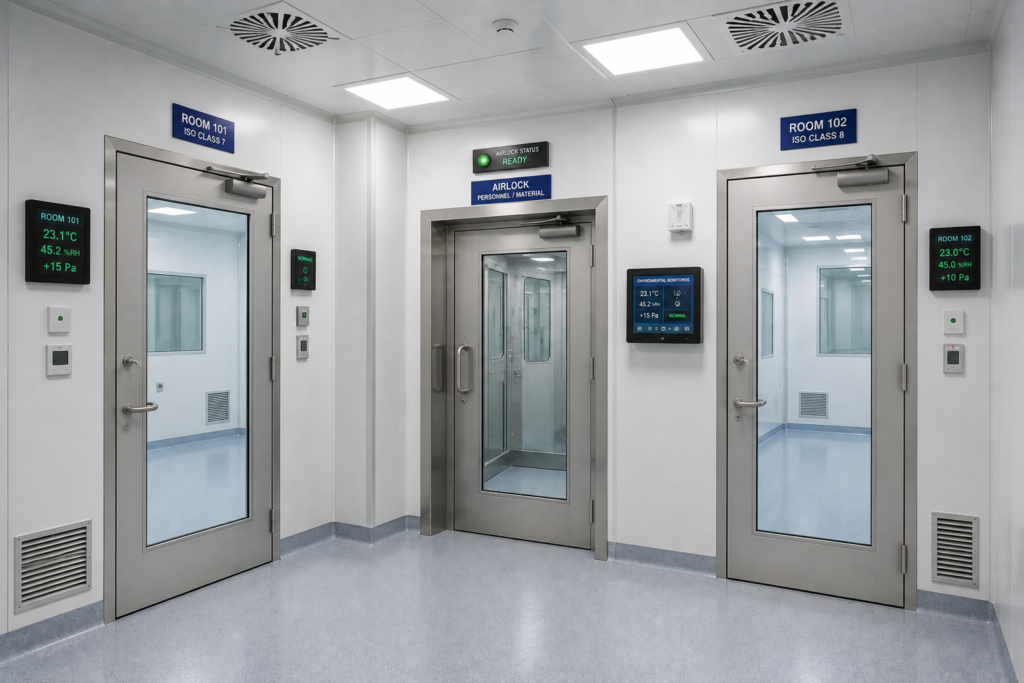
  • Pressure cascades between rooms

In pharmaceutical HVAC systems, even small deviations can impact product quality and regulatory compliance.

For example:

  • Incorrect airflow can lead to contamination risks
  • Poor pressure control can disrupt cleanroom integrity
  • Temperature fluctuations can affect sensitive processes

Validation ensures that HVAC systems perform as intended, consistently and reliably in line with cGMP expectations.

Critical Aspects of HVAC Validation

HVAC validation is not a single activity; it is a structured process that verifies system performance across multiple parameters and typically includes Design Qualification (DQ), Installation Qualification (IQ), Operational Qualification (OQ), and Performance Qualification (PQ).

  • Airflow and Air Change Rates

Airflow is one of the most critical parameters in cleanroom environments.

Validation ensures that:

  • Air change rates are sufficient to support required cleanroom classifications as per ISO 14644 and GMP guidelines.
  • Airflow patterns support contamination control
  • Air distribution is uniform across the space

Improper airflow can compromise the entire controlled environment.

  • Pressure Differential Verification

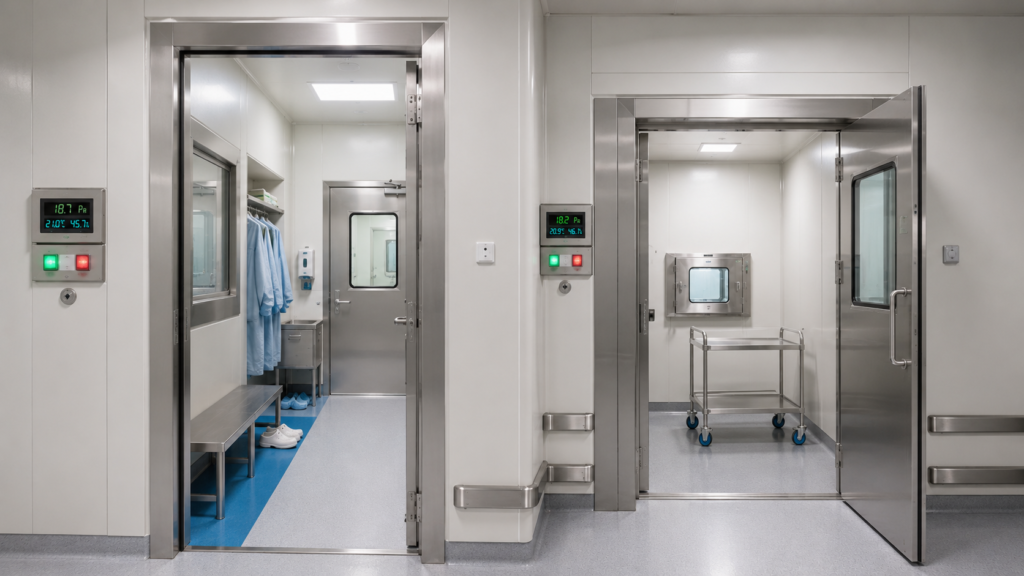
Maintaining correct pressure differentials between rooms is essential to prevent cross-contamination.

During validation, teams must confirm:

  • Pressure cascades are maintained consistently from higher-grade (cleaner) areas to lower-grade areas
  • Transitions between rooms function as designed  
  • Any pressure loss is quickly detected and controlled

This is a key requirement in maintaining GMP compliance.

  • Temperature and Humidity Control

Temperature and humidity are critical for both product stability and process consistency.

Validation ensures that:

  • Environmental conditions remain within specified limits
  • Systems respond effectively to load variations
  • Seasonal changes do not impact performance

Uncontrolled environmental conditions can directly affect product quality.

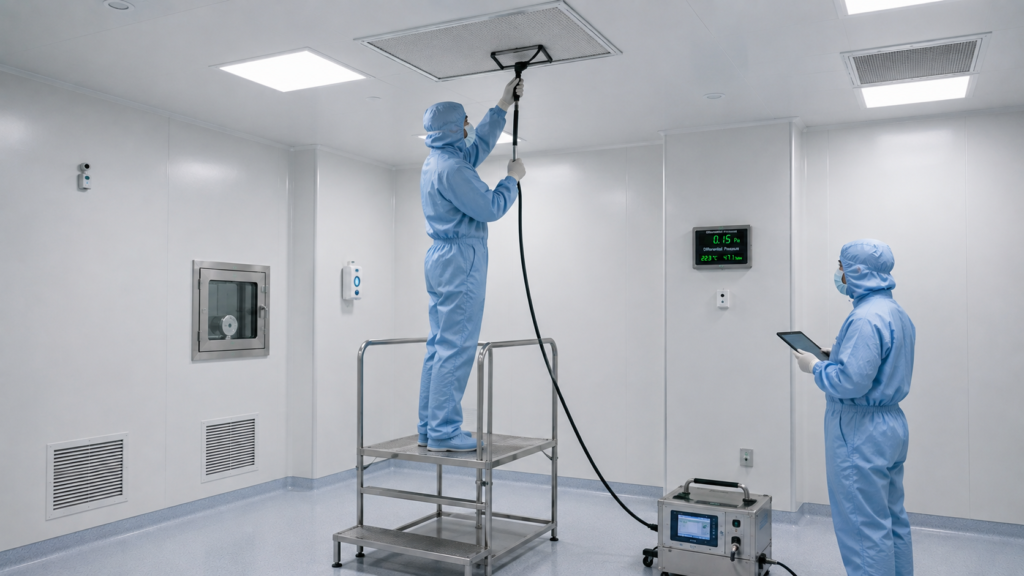
  • HEPA Filter Integrity Testing

HEPA filters play a vital role in removing particulate contamination.

Validation includes:

  • Leak testing of filters using PAO (or DOP) methods
  • Verification of filtration efficiency
  • Ensuring proper installation and sealing

Any failure in filtration can compromise the entire cleanroom environment.

  • System Integration and Controls

Modern HVAC systems are integrated with automation and monitoring platforms, such as Building Management Systems (BMS) or Environmental Monitoring Systems (EMS).

Validation ensures:

  • Systems are properly integrated and responsive
  • Data is accurately captured and recorded
  • Alarms and controls function correctly

This integration is essential for maintaining compliance and operational visibility.

  • Equipment Qualification

HVAC consists of multiple subsystems, such as air handling units, ductwork, filters, and sensors.

Validation that all HVAC equipment and subsystems operate correctly under actual operating conditions and function as an integrated system.

Each subsystem should work properly within the system.

  • Documentation and Compliance

Validation is only complete when it is properly documented.

This includes:

  • Test results and performance data
  • Deviations and corrective actions
  • Alignment with regulatory requirements such as US FDA, EU GMP, and WHO guidelines

Robust documentation supports audits, inspections, and long-term compliance.

HVAC Validation and Manufacturing Efficiency

There is a common assumption that validation is only about compliance. In reality, it plays a significant role in operational efficiency.

When HVAC systems are properly validated:

  • Cleanroom conditions remain stable
  • Production interruptions are minimized
  • Maintenance issues are reduced
  • Energy usage is optimized

Efficient HVAC performance directly contributes to consistent manufacturing output.

Why Traditional Approaches Fall Short

In many projects, HVAC validation is treated as a final step after installation.

This creates challenges such as:

  • Late discovery of system performance issues
  • Delays in commissioning and qualification
  • Increased rework and cost

Without early alignment between design, installation, and validation teams, HVAC systems may not perform as intended.

Modern pharmaceutical projects require validation to be considered throughout the design and execution phases.

Delivering Validated HVAC Systems from Day One

To ensure reliable performance, HVAC validation must be integrated into the project lifecycle.

Engineering teams should:

  • Align design with validation requirements from the beginning
  • Involve CQV teams early in the project
  • Ensure integration with automation and monitoring systems
  • Validate systems under real operating conditions

This approach reduces risk and improves both compliance and efficiency.

How Pharma Access Approaches HVAC Validation


HVAC validation at Pharma Access is approached as part of the overall project execution plan.

Engineering HVAC pharmaceutical systems with CQV considerations from the design stage enables systems to be qualified and validated for performance, operability, and regulatory compliance.

This approach minimizes rework, reduces commissioning delays, and supports stable operations from the start.

Conclusion

HVAC systems are central to pharmaceutical manufacturing facilities. Product quality, compliance, and operational efficiencies depend on HVAC performance.

Validating your HVAC ensures they perform as required under real operating conditions.

You can have the best-designed system in the world, and without validation, it will fall short. With validation, facilities can run steadily, compliantly, and efficiently.

HVAC validation in pharmaceutical manufacturing is no longer optional. It is a fundamental requirement.

FAQ

  • What is HVAC validation in pharmaceutical facilities?

It is the process of verifying that HVAC systems perform as intended under actual operating conditions.

  • Why is HVAC validation important?

It ensures controlled environments, supports compliance, and maintains product quality.

  • What parameters are checked during HVAC validation?

Airflow, pressure differentials, temperature, humidity, and filtration efficiency.

  • What role does HVAC play in pharma manufacturing?

It maintains cleanroom conditions and prevents contamination.

  • How does HVAC validation impact efficiency?

It reduces downtime, improves stability, and ensures consistent production conditions.


GMP Compliance in Pharmaceutical Facility Design: What Engineering Teams Must Consider

GMP Compliance

Pharma manufacturing is changing faster than ever. Therapies are becoming more complex. Product lifecycles are shrinking. Regulatory expectations are intensifying—while approval timelines continue to compress.  And regulators are expecting faster approval timelines than ever. The modern pharma facility is no longer just a production space. It is a controlled environment where quality, compliance, and efficiency must work together at every step. When designing facilities that consistently manufacture quality products, compliance and speed must both be considered from the start. GMP can no longer be limited to operations and validation. It needs to be considered at the design stage itself.

When Compliance Becomes the Bottleneck

Projects today are moving quickly to build pharmaceutical manufacturing facilities. Products are expected to be commercialized faster than ever before. At the same time, regulations are becoming more rigorous. When compliance is treated as a late-stage hurdle, projects often reach commissioning phases only to discover issues that were built into the design much earlier. At that point:

  • Layouts need to be reworked
  • Systems require redesign
  • Qualification timelines start stretching significantly
    Projects are not delayed because of GMP itself—they are delayed because GMP was not integrated early enough.

Why GMP Cannot Be Retrofitted

Most EPC construction projects follow a linear approach: engineering is completed first, procurement sources materials, and construction executes the build. In many cases, compliance is only considered toward the end during commissioning and qualification. But what if GMP compliance was treated as part of the engineering scope instead of a checkbox at the end? In reality, it should be. What makes GMP unique is that once key design decisions are locked, such as facility layout, HVAC zoning, and utility routing—any modification creates cascading impact. For example:

  • Changing room classification can impact airflow and pressure cascades
  • Incorrect material flow may require major layout redesign
  • Missing utilities can delay validation and qualification
    Simply put, GMP cannot be added later. It must be built into the design from day one.

Key GMP Design Considerations

Its effectiveness depends on how well it is translated into coordinated design decisions across systems. These decisions span across multiple systems but must work together as one integrated strategy. GMP itself is a regulatory framework. It does not prescribe exact engineering solutions. However, when translated into design decisions, GMP compliance becomes more practical and structured.

  • Facility Layout and Workflow

How people, materials, and waste move through a facility defines its workflow. To ensure compliance, facilities should be designed with:

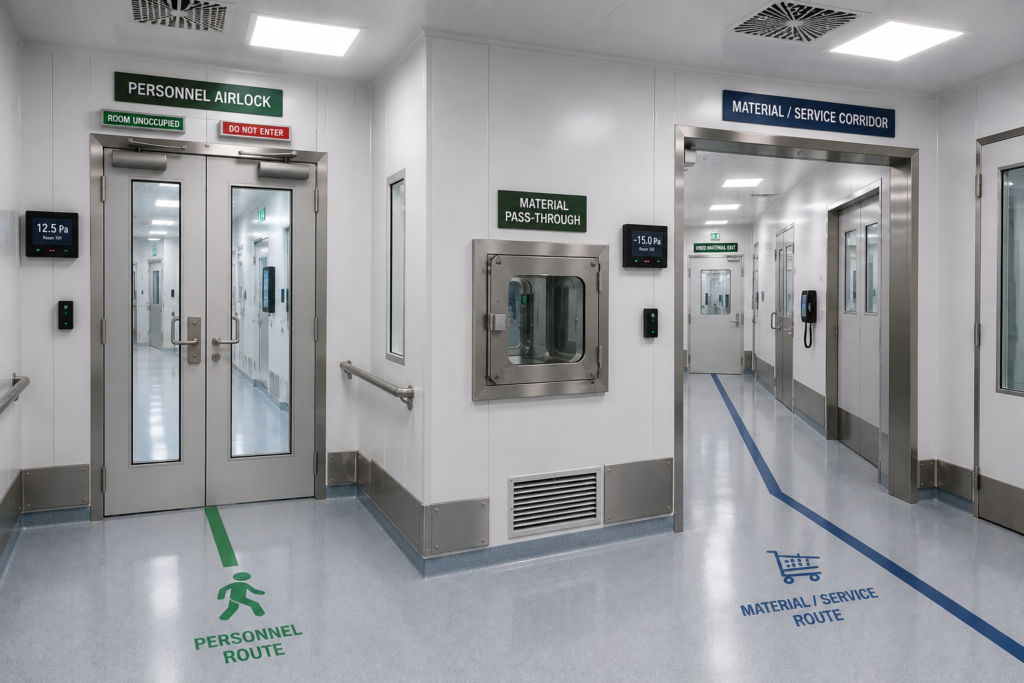
  • Unidirectional flow of personnel and materials wherever possible
  • Clear separation between clean and non-clean areas
  • Properly designed airlocks and entry/exit points

This becomes especially critical in aseptic manufacturing, where even minor contamination risks can compromise product integrity.

  • HVAC and Room Environmental Design

HVAC is one of the most critical systems in a GMP facility. It maintains controlled environmental conditions required for consistent product quality. An effective HVAC design must account for:

  • Room classifications
  • Pressure differentials between spaces
  • Airflow direction and filtration

    Any instability in environmental control can directly impact quality control in the pharmaceutical industry, making HVAC one of the most critical design elements.
  • Utility System Design and Clean Utilities

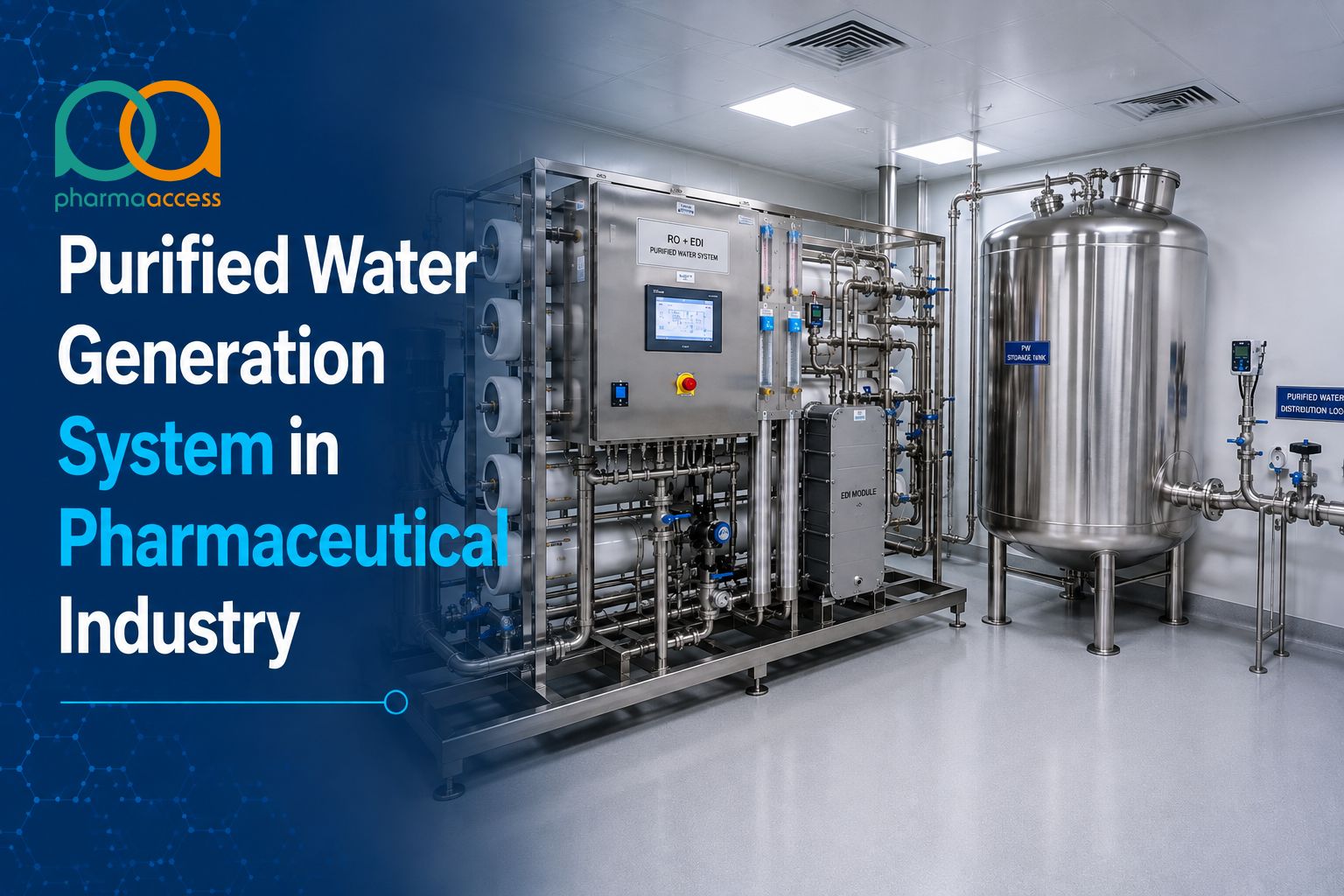
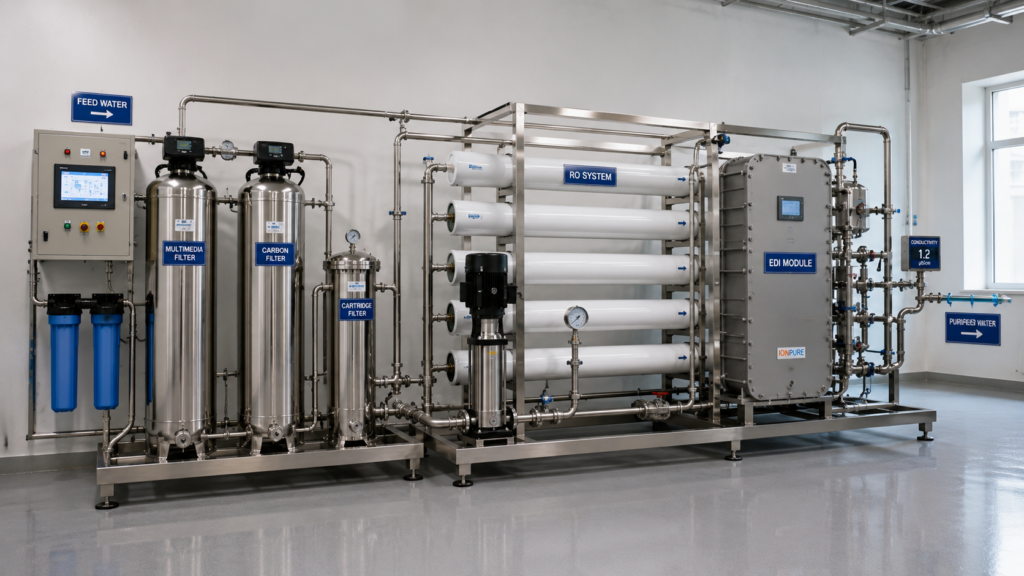
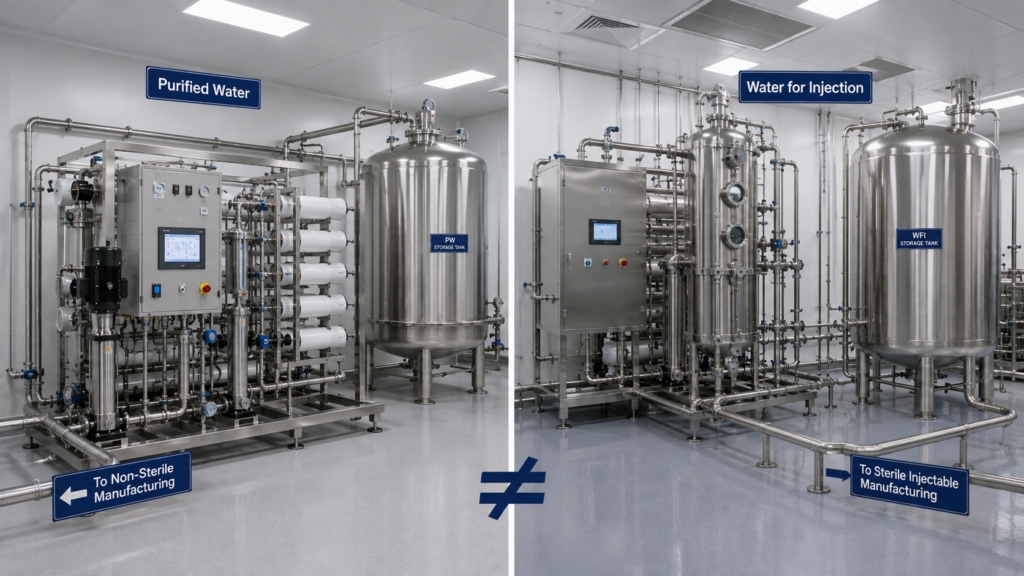
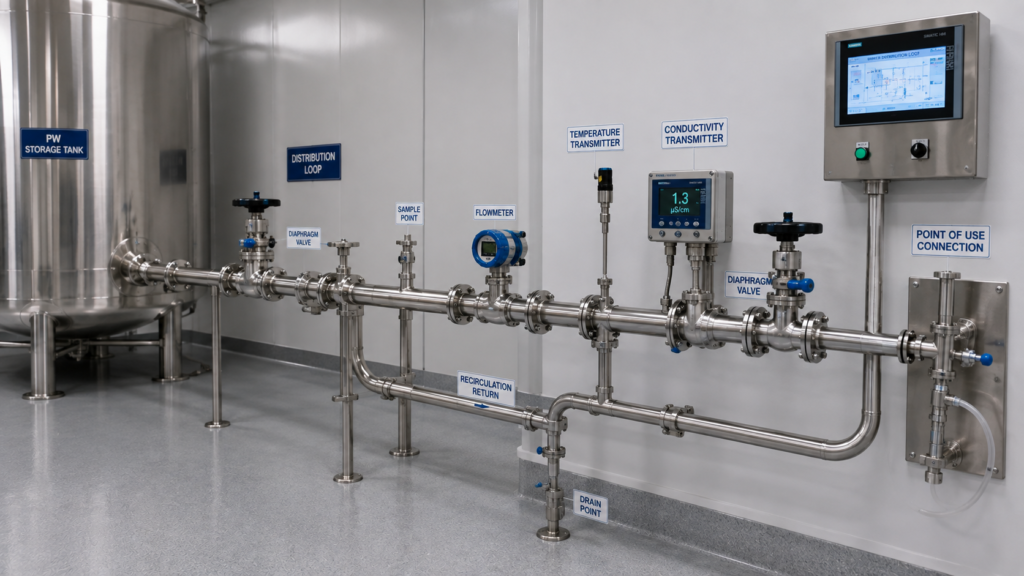
Utilities that come into contact with the product such as purified water (PW), water for injection (WFI), clean steam, and clean/process compressed air must be designed carefully. Key considerations include:

  • Hygienic storage and distribution
  • Continuous circulation to prevent stagnation
  • Ease of cleaning and validation

    These systems form a core part of the quality management system pharma facilities rely on to maintain consistency and compliance.
  • Contamination Control Strategy

Contamination control is not driven by a single system—it is the outcome of how layout, HVAC, utilities, and operations work together. Important considerations include:

  • Cross-contamination risks between products
  • Interaction between personnel and material movement
  • Cleaning and decontamination processes

    A weak contamination control strategy can compromise an otherwise well-designed facility.
  • Equipment Design and Process Flow

Equipment should not be treated as standalone assets. It must align with the overall process and facility design. Poor integration often leads to inefficiencies. Key questions to consider:

  • Does the equipment align with overall process flow?
  • Is it easily accessible for maintenance and cleaning?
  • How well is it integrated with utilities and automation systems?
  • Automation and Data Integrity Systems

Automation systems are now essential in modern pharmaceutical facilities. They not only improve operational efficiency but also support compliance. These systems support compliance by:

  • Capturing and storing reliable data
  • Maintaining audit trails and traceability
  • Restricting user access to sensitive systems
  • Documentation and Traceability

All design decisions should be traceable back to initial user requirements. Strong documentation ensures:

  • Alignment between design intent and requirements
  • Readiness for validation and audits
  • Faster and smoother CQV processes
    Documentation should not be an afterthought. It must be built into the design process.
  • Designing for Compliance and Speed

There is a common misconception that GMP compliance slows projects down. In reality, projects are delayed when compliance is addressed too late. When GMP is considered from the beginning:

  • Fewer design changes are required
  • Rework is significantly reduced
  • Commissioning and qualification timelines improve

    Leading EPC companies are now integrating engineering, quality, and execution teams early in the project lifecycle. When everyone is aligned from the start, projects move faster with fewer delays.
  • Where Traditional Delivery Models Fall Short

Traditional project delivery separates engineering, construction, and validation into different phases. While structured, this approach often creates gaps Common challenges include:

  • Late involvement of quality teams
  • Compliance efforts pushed to the end
  • Decisions made without full project visibility

    As projects become more complex, these gaps make compliance harder to achieve. This is why pharmaceutical projects increasingly require integrated, CQV-focused delivery approaches.
  • Building GMP-Ready Facilities from Day One

Clients today expect more than just regulatory compliance. They want facilities that perform efficiently, remain compliant, and adapt to future needs. To achieve this, engineers should:

  • Consider GMP at the conceptual design stage
  • Align design with qualification requirements
  • Involve engineering, quality, and operations teams early
  • Partner with experienced pharmaceutical engineering firms

How Pharma Access Integrates GMP into Design

At Pharma Access, GMP is embedded into every stage of the project from day one. By combining precision execution with an integrated design approach, we consistently deliver facilities that meet the highest standards of compliance, efficiency, and predictability.

Final Word

GMP compliance should be addressed during the design stage, not during validation. Treating GMP as an afterthought leads to delays, rework, and inefficiencies. When considered from the beginning, it enables faster execution and better outcomes. GMP is only as strong as when it is introduced into the design process.

Frequently Asked Questions (FAQs)

1. What does GMP stand for?

Good Manufacturing Practice. It is a set of guidelines and regulations that pharmaceutical manufacturers must follow.

2. Why does GMP matter during design?

If addressed late, GMP can delay projects. When considered early, it helps maintain timelines and ensures compliance.

3. What are key GMP design considerations?

Facility layout, HVAC, utilities, contamination control, equipment integration, automation, and documentation.

4. How does HVAC impact GMP?

HVAC maintains controlled environments. Poor design can affect product safety and compliance.

5. What utilities are critical in GMP design?

Utilities such as PW, WFI, clean steam, and compressed air must be hygienic and continuously circulating.

Modular vs Traditional Pharma Facility Construction: What Should Investors Really Consider?

Modular vs Traditional Pharma Facility Construction

The pharmaceutical industry is operating in an increasingly high-pressure environment. Becoming more stringent, Product lifecycles are shortening. There is an increasing focus on biologics and specialty therapies. Investors want faster commercialization and higher returns. Constructing a manufacturing plant in this setting is not a construction project. It is a strategic capital choice which influences valuation, scalability and long term competitiveness. To pharma investors, new company founders, CMOs, and expansion-oriented leadership teams, time-to-market, risk exposure and prospective returns on investment directly depend on the decision to build in a modular or traditional way. This paper compares the two models using a strategic and financial approach to enable decision-makers to consider what really matters.

Understanding Traditional Pharma Facility Construction

Traditional Pharma

The conventional pharmaceutical building process follows a sequential execution model. The whole facility is constructed on site. begin only after the previous stage is completed.

The typical stages include:

  • Civil work and land development
  • Structural construction
  • Cleanroom installation
  • Integration of the HVAC systems and utilities
  • Process equipment setup
  • Validation and regulatory compliance

This has been the dominant approach to pharmaceutical facility development for decades. decades. It is highly customised and flexible. It is however both time and capital intensive.

Typical Timelines

The average time to construct a GMP-compliant pharmaceutical facility using traditional methods takes 18 to 36 months. In the case of complex sterile and biologics plants, the schedule may run even longer. Revenue generation is postponed in this period and capital remains tied up.

Key Challenges in Traditional Construction

  • Sequential dependency

A delay in one stage automatically delays the following stages.

  • Risks in contractor coordination.

There can be several contractors working simultaneously and this can result in gaps in communication and duplication of work..

  • Design modifications during implementation

In case of regulatory feedback or process variation occurs in the middle of the project, the changes may be costly and time consuming.

  • Supply chain exposure

Global material shortages or supply chain disruptions can halt project progress.

  • Validation overlap risk

Commissioning and qualification are also initiated later in the project cycle, which extends the timeline before commercial operations can begin.

Investment Risks

In the perspective of an investor, the risks in the traditional construction are primarily three:

  • Delays in Recovery of Investments.

 Revenue starts only after the facility is completed and validated.. A six-month delay can significantly affect projected cash flows..

  • Capital Lock-In

High initial investment levels reduce  financial capacity and increase the vulnerability if market conditions change.

  • Raise in Change Management Costs.

Any late-stage design revisions , changes in regulations or process changes are very expensive.

When Traditional Construction Makes Sense

Regardless of such risks, traditional construction is suitable when:

  • Very large, long-term production facilities are required
  • Installation of large or highly complex fixed process equipment is necessary
  • Demand is predictable and manufacturing volumes are high
  • Customer engineering requirements exceed modular design capabilities

Traditional builds can still be useful for established pharmaceutical companies with stable capacity planning.

What Is Modular Pharma Construction?

Modular Pharma Construction

Modular construction significantly changes the traditional execution model. Components (especially large and routine parts) are assembled in a controlled factory environment  rather than  being constructed entirely on site  in a sequential process. These modules are later delivered and assembled at the project site.

Modules may include:

  • Cleanroom pods
  • Utility skids
  • Process equipment rooms
  • Mechanical and electrical modules
  • Ready-prepared laboratory rooms

The distinguishing benefit is a parallel execution. Site preparation, foundation work occur simultaneously with off-site module fabrication, reducing the overall project timeline.

  • Timeline Advantage

Modular strategies can be used to deliver a facility that would otherwise normally require 24 months. The effect of the reduction of 8 to 12 months is of significant impact. Complete sooner implies complete regulatory filing, complete production and complete revenue generation.

Quality and Control

The consistency is enhanced in those factory-controlled conditions. The modules are assembled in a standardized manner and thus eliminate variation and rework Time losses caused by weather are reduced. TWorkforce productivity in controlled manufacturing settings is generally higher than productivity on open construction sites.

Strategic Advantages of Modular Construction for Investors

1. Faster Time-to-Market

    In pharmaceutical manufacturing, time is directly proportional to the revenue. In most cases, parallel execution saves up to 40-50 percent of the total project time. Prior experience in operations will result in faster commercialization and a better net present value of the project.

    2. Improved Cost Predictability

       Costs can be controlled better in factory production environments.. Exposures to weather, congestion of the site and labor inefficiencies are minimized. It makes the budget forecasting more reliable thus enhancing investor confidence.

      3. Phased Capital Deployment

      Building modular facilities can be done in stages. Companies do not need to develop full capacity at the beginning but can increase capacity as demand grows. This will minimize overbuilding and will safeguard capital whenever there are uncertainties in markets.

      4. Reduced Compliance Risk

      Documentation, traceability and standardization are supported by controlled module fabrication environments. This eases validation and GMP compliance. A lesser number of uncertainties on site results in smoothly conducting inspections and has less regulatory risk.

      5. Expansion Without Major Disruption

      In brownfield projects, the units may be modularized and installed with minimal or no interruption to the current production. This safeguards the continued revenue streams.

      Situations Where Modular May Not Be Ideal

      Modular construction is not always the best. It may not be optimal when:

      • Large-scale process equipment that is heavy cannot be transported
      • Highly customized engineering requirements exceed modular design flexibility
      • Module transportation is complicated by site logistics
      • Not planning for integration poses interface problems

      Modular planned construction can only succeed with an experienced EPCM planning and feasibility assessment in its initial stages.

      Capital Strategy Perspective

      The real distinction between traditional and modular construction lies in capital strategy. Conventional building involves a massive capital investment. Investors have to wait longer to make returns and face greater schedule uncertainty. Modular construction allows more agile project execution. Capital deployment can occur in stages. Revenue can begin earlier, and risk exposure is reduced due to more predictable schedules. This flexibility may enhance valuation and investor attractiveness tfor emerging pharma companies and CMOs operating in competitive markets.

      Industry Evolution Toward Flexible Manufacturing

      The drug market is shifting to small and specialized manufacturing. Requirements of biologics, cell and gene therapies and personalized medicine require:

      • Flexible production lines
      • Smaller batch sizes
      • Quick reconfiguration of the system
      • Adaptive infrastructure

      Large, inflexible facilities designed for decades-long production cycles may be less compatible with the pace of pharmaceutical innovation today. Modular construction supports flexibility and adaptability, making it attractive for growing companies.

      Comparative Overview

      Parameter Traditional Construction Modular Construction
      Timeline 18 to 36 months 10 to 14 months
      Capital Commitment Large upfront Phased investment
      Flexibility Limited post-build High scalability
      Change Cost Expensive More manageable
      Risk Exposure Higher schedule risk Controlled execution risk
      ROI Speed Slower Faster

      Key Questions Investors Should Ask

      The decision-makers need to consider:

      • What is the volatility of expected market demand?
      • Is speed to commercialization critical?
      • Is it possible to deploy capital in stages?
      • How customized must the facility design be?
      • What level of schedule risk is acceptable?

      These questions help determine which model aligns best with the company’s growth strategy.

      Final Perspective

      The choice between the modular and traditional pharma construction is not about the possibility of finding a better method. It is about alignment.

      • Alignment with capital strategy.
      • Alignment with development schedules.
      • Alignment to regulatory objectives.
      • Alignment  with risk appetite.

      In the case of large, stable, long-term capacity projects, traditional construction may still work. Modular construction will be particularly strategic to the investor who wants to achieve agility, rapid time-to-market, and gradual scalability. The construction of facilities is no longer an engineering decision in the competitive pharmaceutical environment today. It is a financial decision which forms the basis of profitability, valuation, and long-lasting resilience. The actual dilemma is not as to which of the methods is superior. The real question is which model best supports growth while protecting capital in a rapidly evolving industry.


      Know Why Quality is the Smartest Investment to Reduce Pharma Project Cost

      Know Why Quality is the Smartest Investment to Reduce Pharma Project Cost

      Why Skipping Quality Costs More Than You Think

      In today’s hyper-competitive industrial landscape, delivering projects on time and within budget isn’t just a goal—it’s a mandate. Yet, countless projects continue to bleed time and money due to a single, often underestimated culprit: poor quality.

      It’s a myth that quality is expensive. The truth? Not investing in quality is far costlier.

      What is Quality?

      Quality in engineering or project execution refers to the ability to meet predefined functional, regulatory, and client expectations consistently. It is not limited to aesthetics or minimal compliance; instead, it represents reliability, fitness for purpose, and error-free execution across project delivery.

      “Access is not quality. Less is not cost-effective.”

      Quality is about balance. It ensures that all stakeholders such as client, consultants, vendors, and contractors are aligned on expectations and delivery benchmarks.

      Understanding the Cost of Poor Quality (CoPQ)

      The CoPQ includes all costs incurred due to work not being done correctly the first time. These costs can be broken down into:

      • Rework
      • Wastage (materials, manpower, time)
      • Penalties due to non-compliance
      • Delays in project completion
      • Equipment damage or underperformance
      • Idle time due to mismatched sequencing

      Studies indicate that on average, 5%-10% of a project budget is lost to poor quality.

      In large-scale pharmaceutical projects, this translates to tens of lakhs or more. That’s not just a figure on a spreadsheet. That’s budget that could have funded expansion, innovation, or simply been added to the bottom line.

      How to Calculate CoPQ?

      To quantify the Cost of Poor Quality (CoPQ), we use an internally developed scoring model that evaluates each identified issue based on three weighted parameters:

      Each identified issue is evaluated using the following parameters:

      Impact (I): Severity of effect on the project (1–5 scale)

      Frequency (F): Rate of occurrence (1–5 scale)

      Control (C): Ease of prevention (1–5 scale)

      Formula: CoPQ Score = I × F × C

      In this model, higher scores for Impact and Frequency indicate more damaging and frequent issues, while a lower Control score reflects a greater lack of control, making the issue harder to prevent.

      Decoding the True Cost of Poor Quality in Pharma

      Quality failures in pharmaceutical manufacturing are rarely the result of a single misstep. More often, they’re a cumulative effect — a breakdown across systems, processes, and materials. One of the diagrams we examined offers a clear visual of this: poor quality doesn’t just show up as a defect; it shows up as rework, complaints, scrap, and even product recalls.

      Let’s unpack this further through a data-driven lens

      1. Material: The Dominant Cost Contributor (42%)

      Effective material management is the logistical backbone of any successful project. Failures in this area create foundational cracks that ripple outwards, causing budget overruns, on-site clutter, and critical path delays long before the first component is ever installed.

      Key Takeaways:

      • Implement dynamic inventory controls to prevent costly over-ordering and stockouts.
      • Strengthen vendor qualification and compliance checks to ensure material quality meets specifications.
      • Improve demand forecasting to minimize reliance on last-minute, unplanned material requisitions.

      2. Method: The Operational DNA (10%)

      A project’s methodology is its operational DNA. It dictates the standard of work, safety, and efficiency. When this DNA is flawed through poor design, lack of standards, or unsafe shortcuts, it leads to systemic, not isolated, failures that compromise the integrity of the entire project.

      Key Takeaways:

      • Mandate a multi-stage design and drawing validation process to catch critical errors early.
      • Enforce strict adherence to safety protocols and the use of approved, construction-ready drawings.
      • Standardize key workflows and conduct regular compliance audits to ensure processes are followed.

      3. Manpower: Human Factors Matter (7%)

      A project’s success ultimately depends on its people. Success requires more than just filling roles; it demands having the right individuals who are properly equipped, physically ready, and clearly aligned with their tasks. Gaps in workforce readiness create immediate and significant friction.

      Key Takeaways:

      • Establish a “ready-to-work” protocol to ensure all personnel are properly equipped before deployment.
      • Integrate workforce well-being and fitness-for-duty checks into the resource planning process.
      • Align skills to specific tasks through more effective vetting and role-based training.

      4. Machine: Technology & Equipment Gaps (8%)

      Technology and equipment are meant to be project accelerators. However, when mismanaged, they become expensive anchors, dragging down progress due to unavailability, non-compliance, or poor maintenance. Strategic asset management is crucial for keeping the project moving forward.

      Key Takeaways:

      • Develop a strategic procurement plan that ensures the timely availability of compliant machinery.
      • Conduct thorough needs assessments to prevent the over- or under-provisioning of critical equipment.
      • Implement a proactive maintenance and calibration schedule to maximize uptime and reliability.

      5. Environment: Contextual Challenges (14%)

      While external conditions like weather are often uncontrollable, a project’s response to them is not. Proactive planning transforms an organization from a victim of its environment into a resilient entity capable of navigating unforeseen challenges with minimal disruption.

      Key Takeaways:

      • Integrate weather-related contingency plans and buffer times into all project schedules.
      • Develop clear protocols for managing work stoppages from audits or safety events.
      • Prioritize site safety, including proper lighting, to mitigate environmental hazards.

      6. Supply Chain: Delays and Disruptions (8%)

      The supply chain is a sequence of promises. When a single promise is broken whether by a logistics provider or a parts supplier, the delay creates a ripple effect that can disrupt the entire project schedule. A resilient supply chain is a non-negotiable asset.

      Key Takeaways:

      • Optimize shipping routes and diversify logistics partners to reduce critical transit delays.
      • Strengthen supplier SLAs with clear performance metrics and penalties for non-performance.
      • Digitize documentation to streamline customs clearance and prevent administrative hold-ups.

      7. Commissioning & Qualification: Final Mile Misfires (11%)

      The commissioning and qualification phase are the project’s moment of truth. Failures at this late stage are highly visible and disproportionately costly, often revealing a lack of integrated planning, poor communication, and weak discipline from the preceding months.

      Key Takeaways:

      • Ensure client and stakeholder readiness through joint planning and transparent communication.
      • Maintain rigorous documentation and team qualification standards from day one, not just at the end.
      • Pre-plan for final-stage logistics, ensuring all consumables, spares, and tools are on hand.

      The data is clear: prevention pays. A facility or organization that prioritizes design validation, supplier integrity, and in-line process control doesn’t just make better products, it spends less fixing problems and builds greater trust in the market.

      It’s time to rethink how and where we invest in quality.

      The Real Cost of Inefficiency: An ₹8 Crore Story

      A line chart tracking planned vs. actual costs across months revealed a clear trend: projects consistently overshot budgets due to recurring quality-related issues.

      These weren’t one-off errors. They were systemic issues that repeated due to the lack of a quality-first mindset. The issues detailed above are not theoretical. They have tangible financial consequences. Consider a real-world project scenario:

      • The Plan: Deliver a project in 14 months with a budget of ₹100 Crores.
      • The Reality: The project was completed in 17 months at a final cost of ₹108 Crores.

      This isn’t just a minor variance. It’s an ₹8 Crore loss and a three-month delay that eroded profits and damaged client trust. Where did that money go? It was consumed by the very issues we’ve analyzed:

      • A portion was lost to Material (42% = ₹ 3.36 Cr) when excess materials were ordered and stored, while work stalled waiting for the correct materials to arrive after a quality rejection.
      • Productivity plummeted due to Manpower (7% = ₹0.56 Cr) issues, with improperly equipped teams unable to perform their tasks, causing cascading delays.
      • More was wasted on rework caused by Method (7% = ₹0.56 Cr), where teams built according to flawed drawings that had to be corrected mid-stream.
      • Machine-related delays (8% = ₹0.64 Cr) also took their toll, whether through late equipment deliveries, mismatched installation readiness, or on-site adjustments that pushed timelines and resources out of sync.
      • Neglecting early precautions meant Environmental factors (14% = ₹1.12 Cr) kicked in like water damage, dust contamination, or poor sealing forcing corrective action that could’ve been avoided with upfront discipline.
      • The timeline was extended by Supply Chain (8% = 0.64 Cr) failures, as critical components sat idle in transit, pushing back the entire project schedule.
      • Finally, the project stumbled across Commissioning & Qualification (11% = ₹0.88 Cr), with commissioning delayed because the client wasn’t ready and key documents were missing, adding weeks of overhead costs at the very end.

      All of it could have been avoided with a modest investment in quality planning, vendor audits, skilled labor onboarding, and document validation. In most cases, that investment wouldn’t have exceeded ₹50–60 lakhs—less than 1% of the total project cost. Instead of bleeding ₹8 Crores across invisible cracks, the project could have gained speed, saved money, and earned client trust.

      It’s a clear case: proactive discipline always costs less than reactive damage control.

      Flip the Script: Quality as a Strategic Lever

      Investing in quality isn’t about checklists. It’s about risk mitigation. It’s about leadership. It’s about creating a culture where mistakes are prevented not corrected after the fact.

      At the heart of this transformation is a simple idea:

      “Start with quality. End with savings.”

      This philosophy shifts quality from being a compliance requirement to a strategic differentiator. It’s how the best projects are delivered on time, on budget, and with lasting value.

      Final Word

      Project delays and quality issues are closely intertwined and can significantly impact project outcomes. Delays can lead to increased costs, missed deadlines, and reputational damage, while quality issues can result in rework, customer dissatisfaction, and safety hazards. Addressing these issues requires proactive planning, effective communication, and robust quality management processes. 

      In an era where margins are thin and expectations high, quality is the smartest investment you can make. It protects your timeline, preserves your reputation, and ultimately ensures that every rupee you spend is moving your project forward—not cleaning up mistakes from the past.

      Let’s not treat quality as a cost.
      Let’s treat it as the value engine it truly is.

      Smarter Pharma Facilities: Lean, Flexible, and Built for the Future

      Smarter Pharma Facilities: Lean, Flexible, and Built for the Future

      Pharma manufacturers today operate in one of the most demanding business environments. Every strategic decision is shaped by two critical performance indicators: Cost Per Thousand units (CPT) and Overall Equipment Effectiveness (OEE). These ultimately define profitability and operational efficiency in modern pharma facility design.

      The challenge is that the market does not wait. It expects higher quality, lower costs, and faster delivery, all while avoiding excess inventory. Demand patterns swing drastically. A product may require a very small batch one month and massive volumes the next.

      This unpredictability creates a dilemma. Adding more equipment may seem like an easy solution, but it lowers OEE and increases depreciation directly impacting profitability. On the other hand, under-preparedness risks delays, compliance pressure, and lost market opportunities.

      This is why pharma manufacturing facilities must evolve. They need to be lean enough to minimize waste and capital burden, yet flexible enough to adapt to demand shifts without compromising quality- a core principle of lean pharma manufacturing.

      To overcome these challenges, modern pharma facilities should be designed with the following four aspects in mind:

      • Building Facility Lean
      • Equipment Selection with Flexibility
      • Single-use Systems
      • Automation and Industry 4.0

      1. Building a Lean Pharma Facility

      Quality is simply conformance to requirements. A lean pharma facility must be compact, focused, and designed with both capital investment and operating costs in mind. This is the foundation of effective pharma turnkey solutions.

      Facilities should be planned with at least 10 years of visibility, as regulatory requirements, customer expectations, and processing technologies evolve rapidly. Without this foresight, organizations risk costly revamps far sooner than anticipated.

      Key principles of lean facility design include:

      • Keeping facilities compact and requirement-driven to control both capital expenditure and operating expenses
      • Focusing on core manufacturing activities while outsourcing non-core functions such as warehousing, pharma engineering services, and selected quality activities to reduce total cost of ownership (TCO)
      • Placing only essential equipment inside cleanrooms and shifting support equipment to service areas to minimize cleanroom footprint and operating costs
      • Challenging design tolerances wherever possible reducing unnecessary overengineering (for example, tighter tolerances beyond ±2%) directly lowers capital and lifecycle costs

      A lean facility design reduces depreciation impact, improves OEE, and helps manufacturers keep CPT competitive in a dynamic and unpredictable market.

      Article content

      2. Flexible Equipment Selection for Variable Batch Sizes

      Variation in batch size is one of the biggest operational challenges in pharmaceutical manufacturing. Very small production runs and large-scale volumes cannot be efficiently addressed by simply adding more equipment, as this approach reduces OEE and increases depreciation.

      Instead, manufacturers should focus on flexible equipment strategies, including:

      • Selecting equipment capable of efficiently handling both small and large batch sizes
      • Prioritizing shorter changeover times to improve operational efficiency without compromising quality or compliance
      • Investing only in essential options initially, while keeping the ability to scale or upgrade as product and market needs evolve
      • Evaluating equipment not just on output capacity and cost, but also on flexibility, reliability, and quality performance

      Flexible equipment enables pharma manufacturers to remain agile, respond to demand fluctuations, and align capital investment with actual business needs.

      3. Single-Use Systems in Modern Pharma Facilities

      Single-use systems have transformed how pharmaceutical facilities are designed and operated, especially in environments where product changeovers, batch variability, and contamination control are critical.

      Traditional stainless-steel systems demand extensive cleaning, validation, and downtime. In contrast, single-use technologies significantly reduce these burdens while improving operational flexibility.

      Key advantages of single-use systems include:

      • Eliminating cleaning-in-place (CIP) and sterilization-in-place (SIP) requirements, resulting in faster changeovers and higher equipment availability
      • Reducing cross-contamination risks, which enhances product quality and regulatory confidence
      • Enabling rapid scale-up or scale-down without major capital investment
      • Lowering water, energy, and utility consumption, supporting both cost reduction and sustainability goals

      Single-use systems are particularly effective for multi-product facilities, clinical manufacturing, and operations with highly variable demand. When applied strategically, they help manufacturers improve OEE while keeping capital expenditure aligned with real production needs.

      4. Automation and Industry 4.0 in Pharma Manufacturing

      Automation and Industry 4.0 are no longer optional upgrades they are foundational elements of future-ready pharma facilities. When implemented correctly, automation improves consistency, compliance, and operational visibility across the manufacturing lifecycle.

      Modern automation strategies go beyond basic control systems. They integrate data, equipment, and people to enable smarter decision-making through pharma automation solutions.

      Core benefits of automation and Industry 4.0 include:

      • Reducing manual interventions, thereby minimizing human error and improving batch consistency
      • Enabling real-time monitoring of critical process parameters, equipment performance, and quality attributes
      • Improving OEE through predictive maintenance and data-driven performance optimization
      • Strengthening data integrity and compliance with regulatory expectations such as ALCOA+ principles

      A key consideration is scalability. Automation systems should be designed in modular layers, allowing facilities to start with essential controls and expand toward advanced analytics, digital twins, and artificial intelligence as maturity increases.

      When aligned with lean facility design and flexible equipment strategies, automation becomes a powerful enabler of efficiency rather than an added cost burden.

      Where Pharma Access Fits In

      At Pharma Access, we help manufacturers design and build pharma facilities that are lean, flexible, and future-ready. From smart equipment selection and modular facility concepts to Industry 4.0 enabled solutions, we support our clients in reducing costs, improving OEE, and maintaining long-term regulatory compliance.

      In today’s pharmaceutical industry, success is not about building bigger facilities it is about building smarter, faster, and more adaptable operations.

      And that is exactly what we deliver.

      Risk Management in Pharmaceutical Project Execution: A Value-Centric EPC Perspective

      Risk Management in Pharmaceutical Project Execution: A Value-Centric EPC Perspective

      Pharmaceutical project execution is fundamentally different from conventional industrial projects. The risks involved go far beyond cost overruns or schedule delays. They directly affect regulatory compliance, validation success, audit outcomes, and time to market.

      For decision-makers, the real challenge is not identifying risks. It is anticipating where they originate and preventing them early, before they surface during commissioning or regulatory inspections. This requires a structured, lifecycle-driven approach to risk management that is embedded into pharmaceutical engineering, installation, system integration, and qualification.

      Why Risk Management Must Start Early in Pharma Projects

      In many pharmaceutical projects, risks become visible only at the later stages. Delays during commissioning, repeated qualification failures, or audit observations often trace back to decisions made during concept design, vendor selection, or installation planning.

      A value-centric risk management approach focuses on front-loading critical decisions. When risks are addressed early, projects benefit from smoother execution, predictable timelines, and reduced lifecycle cost. When risks are addressed late, corrective actions become expensive and disruptive.

      Regulatory and Compliance Risk: From Guidelines to Readiness

      Regulatory compliance is not achieved by meeting guidelines alone. It is achieved by ensuring that a facility is validation-ready and audit-ready at every stage of execution.

      Common compliance risks include:

      • Facilities designed without clear validation logic
      • GMP and non-GMP areas not clearly segregated
      • HVAC and cleanroom systems not aligned with contamination control strategies
      • Gaps in documentation traceability across engineering and qualification phases
      • Late design changes that impact validated systems

      The value lies in designing for compliance, not correcting for it later. Integrating GMP principles, validation requirements, and audit expectations at the concept and basic engineering stages significantly reduces the risk of regulatory surprises during qualification or inspections.

      Design and Engineering Risk: Decisions That Shape the Entire Lifecycle

      In pharmaceutical projects, design-related risks have a cascading effect. A small oversight at the engineering stage can result in installation challenges, rework, delayed qualification, and extended validation timelines.

      Key design risks include:

      • Incomplete or evolving User Requirement Specifications
      • Misalignment between process equipment and utility capacities
      • Insufficient consideration for maintenance, access, and future expansion
      • Lack of coordination between disciplines

      A value-driven EPC approach mitigates these risks through multidisciplinary coordination, structured design reviews, and constructability assessments. This ensures that engineering decisions support not only execution, but also long-term operational reliability and compliance.

      Installation and System Integration Risk: Where Execution Truly Matters

      Installation and system integration are the phases where engineering intent becomes operational reality. In pharmaceutical facilities, this involves close coordination between process equipment, utilities, HVAC systems, cleanrooms, automation, and monitoring systems.

      Risks commonly arise from:

      • Poor sequencing between equipment installation and utility readiness
      • Interface mismatches between vendor-supplied systems
      • Inadequate contamination control during installation
      • Late design clarifications affecting installed systems
      • Safety incidents impacting productivity and compliance

      The value lies in disciplined installation sequencing and interface management. When installation is planned with commissioning and qualification in mind, downstream disruptions are minimized, and systems are handed over in a state that supports smooth CQV execution.

      Vendor and Supply Chain Risk: Beyond Cost and Delivery

      Pharmaceutical projects rely heavily on specialized vendors. Selecting vendors based only on price or delivery timelines introduces significant risk.

      Common vendor-related risks include:

      • Incomplete or inconsistent FAT and SAT documentation
      • Equipment not aligned with qualification protocols
      • Delays caused by logistics or regulatory documentation gaps
      • Variability in documentation formats across suppliers

      Risk mitigation requires vendor qualification, documentation standardization, and proactive expediting. When procurement decisions are aligned with CQV and validation needs, projects avoid last-minute delays and rework.

      Commissioning, Qualification, and Validation Risk: The Point of Truth

      The commissioning and qualification phase are where accumulated risks surface. Delays here are rarely isolated incidents. They are often the result of earlier gaps in planning, execution, or documentation.

      Common CQV risks include:

      • Incomplete installation verification
      • Equipment not installed as per approved drawings
      • Unclear ownership of qualification activities
      • Limited client readiness for validation execution

      The value-centric approach is to plan CQV from day one. Clear protocols, defined responsibilities, and aligned documentation workflows ensure that qualification progresses smoothly rather than becoming a bottleneck.

      Digital and Data Integrity Risk: Enabling Reliability, Not Complexity

      Digital systems play an increasing role in modern pharmaceutical facilities. However, they also introduce new risks if not implemented within a GMP-compliant framework.

      Risks include:

      • Unvalidated digital tools
      • Weak access control and audit trails
      • Poor integration between automation, monitoring, and quality systems

      When implemented correctly, digital tools such as IoT-enabled monitoring and analytics support predictive maintenance, equipment reliability, and controlled data management. Their value lies in enabling proactive decision-making without compromising compliance.

      Integrated EPC Execution: Turning Risk into Predictability

      Risk mitigation in pharmaceutical projects is most effective when single-point accountability exists across engineering, procurement, installation, system integration, and qualification. Fragmented responsibility often leads to misalignment, delayed decisions, and compliance gaps.

      An EPC-led turnkey execution model delivers value by:

      • Integrating GMP and validation requirements early
      • Coordinating multiple vendors and systems seamlessly
      • Managing interfaces and change control proactively
      • Delivering facilities that are audit-ready at handover

      This integrated approach transforms risk management from reactive problem-solving into predictable project execution.

      Conclusion: Risk Management as a Business Advantage

      Risk cannot be eliminated from pharmaceutical project execution. However, it can be anticipated, managed, and significantly reduced through disciplined planning and integrated execution.

      Organizations that adopt a lifecycle-driven approach to risk management benefit from faster commissioning, smoother qualification, lower lifecycle costs, and greater regulatory confidence. More importantly, they gain predictability in an environment where uncertainty directly impacts business outcomes and patient access.

      In pharmaceutical projects, effective risk management is not an operational safeguard. It is a strategic advantage.

      What It Takes to Build Pharmaceutical Facilities That Perform from Day One

      What It Takes to Build Pharmaceutical Facilities That Perform from Day One

      The pharmaceutical facility landscape has become increasingly complex. Regulatory expectations, operational efficiency, sustainability requirements, and speed-to-market pressures must all be addressed simultaneously.

      From my experience, the single biggest pitfall companies face when starting a major construction or expansion project is the lack of upfront integration. Without a clear project implementation strategy, even well-funded projects risk delays, compliance gaps, and operational inefficiencies

      Building a modern pharmaceutical facility is not just about civil construction. It requires the seamless integration of process design, utilities, automation, and regulatory compliance. This includes adherence to Good Manufacturing Practices in sterile and aseptic processing, which form the backbone of global regulatory acceptance. As I often say, “One of the biggest challenges in pharma projects is anticipating compliance and operational needs before the first brick is laid.” When integration is considered late in the process rather than from the very start, it leads to fragmented execution and costly rework.

      Integration from Conceptualisation to Commissioning

      At Pharma Access, we fundamentally change the traditional approach to designing and building pharmaceutical facilities through what we call Integration from the Ground Up.

      We embed compliance and efficiency from the outset. By incorporating regulatory considerations into every phase of the project, from conceptualisation to commissioning, we ensure the final facility is not only compliant but also optimised for seamless, high-performance operation. This integrated approach reduces execution risk and enables smoother commissioning and validation.

      Simulation-Based Engineering and Digital Twins

      Our team relies heavily on Simulation-Based Engineering, because simulation is a powerful predictive tool shaping the future of pharma manufacturing.

      Simulation allows us to foresee potential issues and optimise systems in ways that are simply impossible with conventional drawings. We build complete digital twins of pharmaceutical facilities, including process flows, HVAC systems, piping, and electrical circuits. These virtual replicas allow us to anticipate operational challenges, optimise layouts, and drastically reduce the risk of costly field modifications.

      A key application of this approach is cleanroom design. We use Computational Fluid Dynamics (CFD) simulations to guarantee adherence to ISO 14644 standards. By calculating the precise Air Changes Per Hour (ACPH), where airflow rate and room volume are balanced, we ensure proper contamination control while maintaining energy efficiency. This is a critical metric for aseptic manufacturing environments.

      Here, Q is the airflow rate (ft³/min) and V is the room volume (ft³).

      Quality by Design as a Planning Principle

      Quality by Design means quality is engineered in, not inspected in. By embedding Quality by Design (QbD) into the initial planning stages, we are able to anticipate process variability and embed controls proactively. This allows us to identify Critical Quality Attributes (CQA), Critical Material Attributes (CMA), and Critical Process Parameters (CPP) early in the project lifecycle.

      This synergistic design, where digital twin insights inform optimisation and QbD principles embed controls, guarantees consistent, high-quality outcomes across the facility lifecycle.

      De-Risking Timelines Through FEL and Early CQV

      Project delays and compliance issues are costly in pharmaceutical manufacturing. To de-risk timelines and budgets, we rely on two cornerstone philosophies, Front-End Loading (FEL) and early integration of CQV.

      Front-End Loading is intensive upfront planning to define scope, technical requirements including URS, costs, and schedules before significant capital commitment. This approach minimises scope creep and reduces downstream uncertainty.

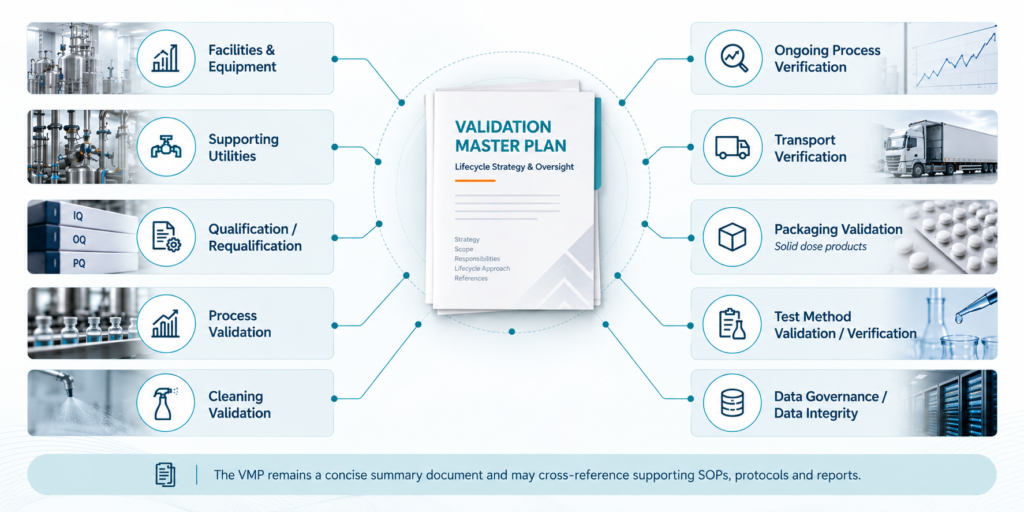
      At the same time, embedding CQV early is a game-changer. It ensures all systems are designed for validation from day one. We develop a comprehensive Validation Master Plan detailing URS, FAT, SAT, IQ, OQ, and PQ. This ensures documentation is audit-ready for USFDA inspections and compliant with regulations such as 21 CFR Part 11, preventing costly surprises and enabling immediate operational readiness after handover.

      Sustainability and Safety as Design Pillars

      Sustainability and safety are not afterthoughts. They are woven into the design DNA of every project we deliver. Achieving sustainability through zero leakages in manufacturing facilities play a critical role in reducing environmental impact.

      Classified cleanrooms are known for over-ventilation. By using validated CFD modelling, we precisely optimise airflow and typically achieve a 10 to 25 percent reduction in energy use on HVAC systems alone. In parallel, we integrate Zero Liquid Discharge (ZLD) systems into our designs, preventing 70 to 80 percent of wastewater from being lost to drainage. This is crucial for achieving water neutrality and long-term sustainability.

      We track this performance through our Sustainability Index, which is based on energy savings, water conservation, and material optimisation.

      Turnkey Delivery and Single-Point Responsibility

      Our approach provides seamless integration from conceptual engineering through procurement, construction, commissioning, and validation.

      As our director, Mr. Shams Parvaz often says, “Our turnkey approach is not about speed alone. It is about delivering facilities that are ready to operate efficiently, safely, and compliantly from day one.” Clients benefit from a single point of responsibility, integrated project management, scalable cleanroom solutions, and a regulatory-aligned CQV strategy, eliminating friction between multiple stakeholders.

      Our turnkey delivery model is validated through real-world execution. Projects such as a turnkey aseptic facility in Tunisia demonstrate how integrated delivery ensures compliance and speed simultaneously (case study).

      Similarly, turnkey engineering for multiproduct facilities in Algeria highlights how scalable design and execution reduce risk across complex portfolios (read more).

      Modular Facilities and Future Agility

      Modular and mobile facilities are gaining prominence as the industry demands speed-to-market and flexibility. Modular construction allows activities to happen in parallel, with prefabricated modules built in controlled factory environments while site work progresses simultaneously.

      This approach reduces timelines by 30 to 40 percent, improves quality and safety, provides scalability, and is inherently sustainable by design.

      Ongoing developments such as upcoming multiproduct facilities in North Africa and the Middle East further reflect this shift toward agile, scalable infrastructure (North AfricaMiddle East).

      Engineering and Execution as One Philosophy

      We often use the analogy of E=mc2 to describe our operational philosophy. It represents the fusion of engineering mastery with execution capability.

      This philosophy captures how we combine advanced engineering, disciplined execution, Quality by Design, simulation-led planning, and sustainability strategies to solve complex pharmaceutical facility challenges. The outcome is facilities that are operationally robust, compliant, and strategically transformative.

      In today’s pharmaceutical environment, this integrated approach is no longer optional. It is essential.

      How Can Predictive Maintenance Reduce Downtime in Pharma Plants?

      Facility development in the pharmaceutical and biotech sector is a complex process, influenced by strict regulatory requirements, multi-vendor coordination, and high expectations around quality and reliability. While the end-to-end nature of a turnkey solution helps reduce time-to-market, execution discipline and long-term operational performance remain critical success factors.

      At Pharma Access, we apply advanced design and engineering practices to deliver digital-ready, cGMP-compliant facilities that are built to minimize compliance gaps and equipment-related failures. By integrating robust utilities, automation-ready infrastructure, and monitoring systems during the facility design stage, we enable pharma plants to operate reliably post-handover. One of the most effective ways to sustain this reliability over the facility lifecycle is through predictive maintenance in pharma facilities.

      Downtime Challenges in Pharma Manufacturing

      Pharmaceutical and biotech manufacturing environments face several operational challenges, including data integrity risks, regulatory scrutiny, and quality deviations. Among these, unexpected equipment downtime remains one of the most disruptive.

      Unplanned shutdowns often occur due to unforeseen equipment failures, component degradation, or insufficient visibility into asset health. These events can be especially costly when they coincide with production schedules or regulatory commitments. The situation becomes more complex if critical spare parts are unavailable or if maintenance teams lack early warning indicators. For high-value pharma facilities, downtime directly impacts productivity, compliance, and operational continuity.

      What is Predictive Maintenance and How it Works

      Traditionally, pharma facilities have relied on preventive maintenance, which involves scheduled inspections and servicing based on time or usage intervals. While effective to an extent, this approach does not always detect early-stage equipment degradation.

      Predictive maintenance, by contrast, uses real-time data and condition monitoring to assess equipment health and predict potential failures before they occur. This approach relies on sensors, automation systems, and data analytics to continuously track parameters such as vibration, temperature, pressure, and energy consumption. Maintenance actions are then triggered based on actual equipment condition rather than fixed schedules.

      In modern biopharma facilities, predictive maintenance is enabled by digital infrastructure designed into the plant from the outset.

      Role of AI and IoT in Predictive Maintenance

      While predictive maintenance can be implemented without AI, artificial intelligence significantly enhances its effectiveness. AI helps identify critical components that require priority attention and predicts how changes in operating conditions may impact equipment performance, enabling proactive intervention before failures occur. When combined with IoT, these capabilities are further strengthened, as IoT systems continuously collect real-time data from multiple assets and operating environments. Sensor-driven alerts enable timely maintenance actions, ensuring potential malfunctions are detected and addressed well before they affect operations.

      Benefits of Predictive Maintenance 

      Now that we know what predictive maintenance is, let us take a moment to look at how it can enhance the drug manufacturing process. 

      • Reduced Downtime

      Predictive maintenance helps identify equipment issues before they escalate into failures. In pharma and biotech facilities, where uptime is critical, this proactive approach significantly reduces unplanned downtime. Early intervention ensures smoother operations, fewer disruptions, and better adherence to production schedules.

      • Cost Savings and Quality Assurance

      By ensuring that no maintenance needs to be done under deadline duress, predictive maintenance allows the facility provider to have time to look for the best  products to replace potentially malfunctioning parts or even upgrade parts. Not only does this make sure there’s ample time to test and improve the quality of the end product, it also means that since everything can be arranged well in time, no part  or service has to be bought at a higher rate, thereby saving lifecycle costs for the end client.

      Additionally, predictive maintenance helps the company be more green by reducing energy costs and increasing the life cycle of systems, aligning with energy efficiency in pharma engineering and sustainable execution practices.

      Implementation Roadmap for Pharma Companies

      Many smart pharma facilities are already moving toward predictive maintenance. Industry surveys indicate growing investment in predictive maintenance software, although integration challenges remain. To implement predictive maintenance effectively, pharma manufacturers should:

      • Identify critical systems and assets where predictive maintenance delivers the highest value
      • Ensure workforce readiness through training and expert support
      • Run pilot programs to validate AI and IoT use cases
      • Establish strong data governance and failure analysis practices
      • Select proven monitoring platforms and automation systems
      • Ensure alignment with regulatory and cybersecurity requirements

      At Pharma Access, we encourage integrating predictive maintenance readiness during facility design and engineering, along with sustainability and digital audits, to ensure long-term operational resilience.

      Conclusion: ROI and Long-Term Operational Improvements

      One of Pharma Access key tools to achieve this pharmaceutical success is to use preventive maintenance to ensure all our plants are working at their best capacity. This ensures that the work finishes on time and is cost-effective, especially due to the combination of digital ready infrastructure and AI enchanted toolkit that Pharma Access provides. 

      Predictive maintenance plays a vital role in improving the operational performance of modern pharma facilities. When supported by well-engineered turnkey infrastructure, it helps reduce downtime, control costs, and maintain consistent compliance throughout the facility lifecycle.