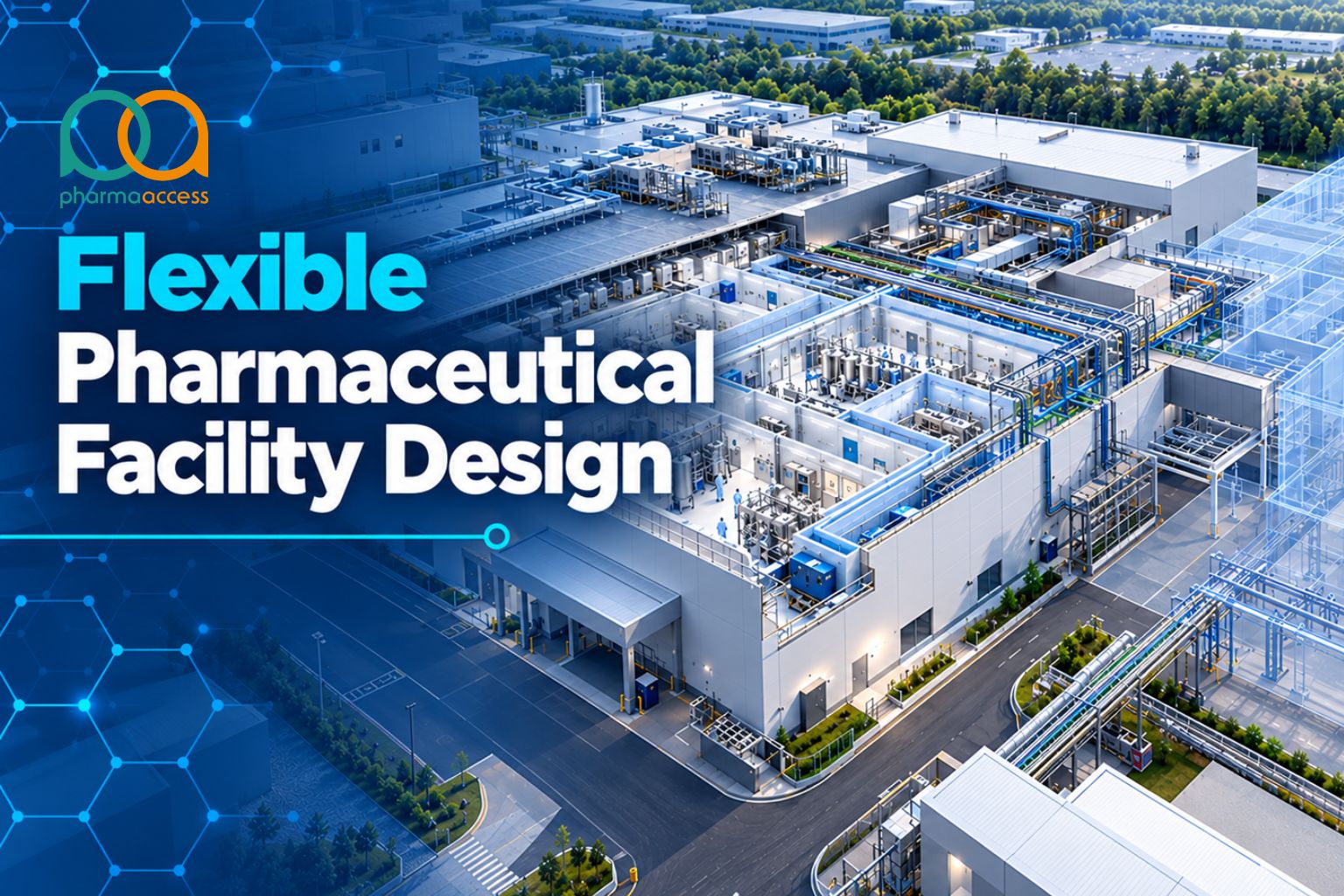
It is no small feat to build a pharmaceutical manufacturing facility. You need architects who understand GMP facility design and cleanroom classifications , you need engineers who know HVAC systems for controlled and sterile manufacturing environments, and a team that can support commissioning and qualification without fragmented communication between multiple project stakeholders.
This is where pharma turnkey consultancy services come in. Work with one partner who takes care of the design, the build, and the handover within an agreed project scope, rather than working with ten different vendors, hoping they talk to each other.
That is why this approach has become increasingly relevant for pharmaceutical facility projects. Here is what it looks like on a real project.
What This Type of Consultancy Actually Covers
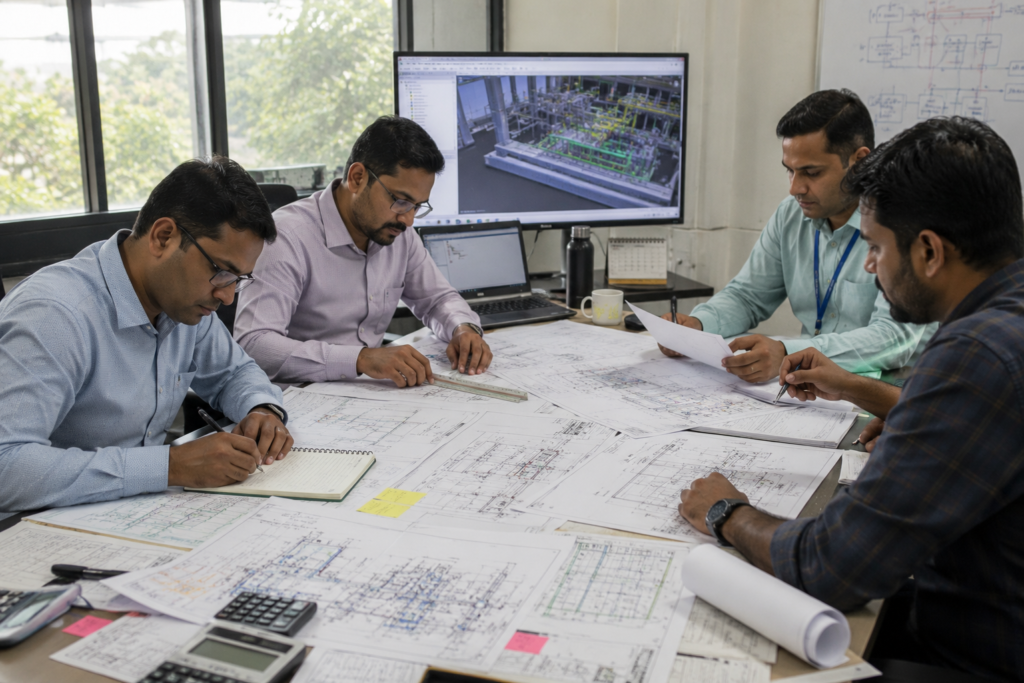
The turnkey consultant doesn’t just draw plans and then go away. The scope is usually everything from that first concept sketch to the day you turn the key and prepare the facility for production. That usually involves:
- Mechanical, Electrical, Plumbing, Cleanroom Layout (Pharmaceutical Facility Design)
- Procurement of machinery and process equipment
- Construction and installation
- Commissioning, Qualification and Validation (CQV)
- Project management from start to finish
Because one team has all these pieces, you have fewer gaps between design intent and what’s actually built. If the cleanroom drawing does not match what the HVAC contractor installs, that mismatch is caught early rather than during qualification or a regulatory inspection.
Why Pharmaceutical Companies Turn to Turnkey Consultants
One Team, One Contract, One Point of Contact
Divide a facility project into a design firm, a construction contractor, and a validation consultant, and you have the person who has to tie them all together. All change orders may require multiple approvals. Responsibility for every delay can also become unclear. In a turnkey model, one contract covers the whole scope, and one team is responsible for the outcome. If an issue arises, you know exactly who to call.
Shorter Build Times
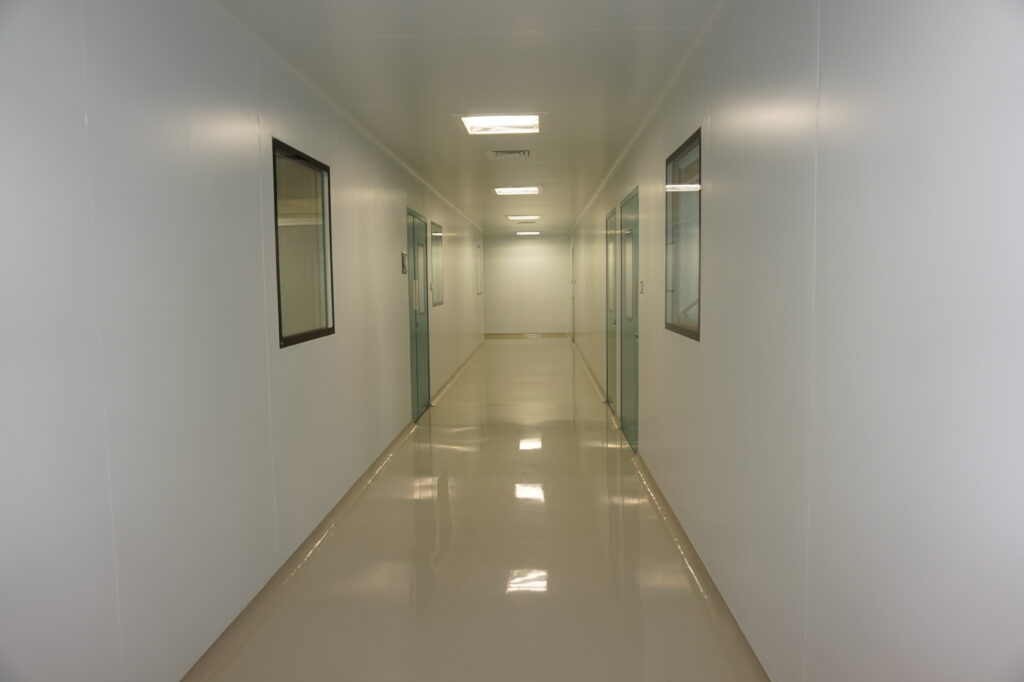
When design, procurement, and construction are all under one roof, they can be better controlled. The construction crew doesn’t wait weeks to get an answer to a question from a design firm because the engineers sit down the hall. One team follows both timelines to the same master schedule, allowing equipment procurement to begin while civil work is still underway. That overlap could shorten the overall project timeline by several months on a complex facility project.
Regulatory Know-How From the Start
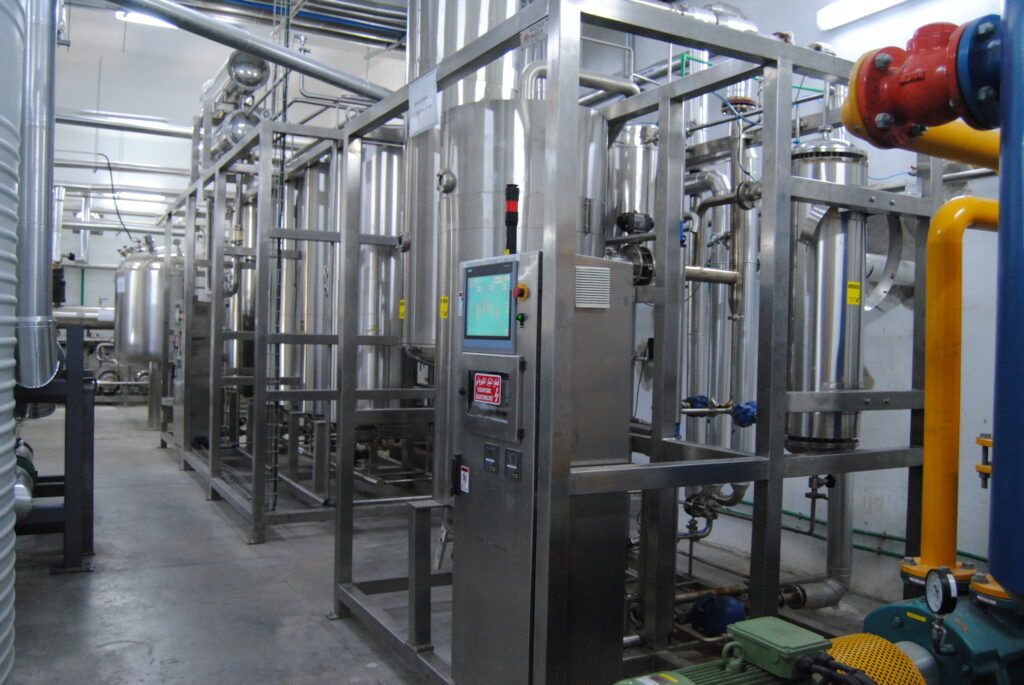
Preparing a facility for FDA assessment and inspection is not something you tack on at the end. The Current Good Manufacturing Practice (CGMP) regulations in 21 CFR Parts 210 and 211 outline the minimum requirements for the methods, facilities, and controls used in the manufacture of a drug product.
The inspectors look at the physical building as well as the paperwork and operational systems to ensure compliance with these rules. The FDA’s review of new and generic drug marketing applications includes an assessment as to whether the manufacturer is in compliance with CGMP. The agency’s assessors determine if the firm has the facilities, equipment, and ability to manufacture the drug it plans to market. Good pharmaceutical engineering consultants integrate cleanroom classifications, airflow design, and documentation practices into the layout from day one, so the building supports an inspection instead of fighting it. In addition to FDA rules, many projects must also comply with WHO good manufacturing practice guidelines, which establish quality standards for production and quality control and require that personnel, premises, and materials be suitable for the production of pharmaceuticals and biologicals, including vaccines.
For API manufacturing projects, ICH Q7 may also be relevant, depending on the product, project location and intended regulatory markets.
The turnkey consultant can support GMP-aligned facility design, qualification and inspection readiness, but the pharmaceutical manufacturer remains responsible for its quality system, regulatory submissions, process validation and ongoing GMP operations.
Budget Certainty
Scope changes are often the cause of facility build cost overruns that no one caught in time. A turnkey partner may quote the defined project scope upfront – equipment, labour, validation, etc. – so you don’t get surprise change orders three months into construction. Of course, you still have to read the contract in detail, but the fact that there is one accountable scope makes it a lot easier to track spend against a fixed baseline. Final project costs can still be affected by client-requested changes, unforeseen site conditions, equipment changes, regulatory requirements and other contract exclusions.
Access to Specialized Facility Design Skills
Sterile injectable lines, biotech suites, and oral solid dosage plants all have different HVAC pressure cascades, material flows, and equipment layouts. Experienced pharmaceutical facility consultants have engineers who have already solved these problems on other projects. That kind of pattern recognition, the ability to know which layout errors lead to validation headaches down the road, is hard to develop in-house unless facility construction is a regular part of your business.
What Sets the Top Pharma Consulting Firms Apart
Not every company that calls itself a turnkey provider actually does end-to-end work. Here’s what to watch for:
- Experience with comparable dosage forms: A company that already has oral solid-dose plants may not have the same experience levels in sterile injectables or cell and gene therapy suites. Ask for references of projects that are similar to your product type.
- Drawings outsourced, in-house engineering, not only: Companies with their own mechanical, electrical, and process design teams can move faster and catch conflicts before construction starts.
- Proper CQV process: Commissioning, qualification, and validation should be planned in parallel with design and not as a final step.
- Certifications to support their cases: A company with documented internal processes may hold certifications such as ISO 9001 for quality, ISO 14001 for the environment, and ISO 45001 for health and safety. These certifications should be evaluated alongside relevant project experience, engineering capabilities and client references.
- A project management structure you can feel: You want named contacts, not a revolving door of subcontractors.
One company that has built on this model is Mumbai-based engineering and construction firm Pharma Access. With more than 25 years of experience , it has worked on pharma and biotech facility projects in more than 18+ countries, including biotech, sterile manufacturing, oral solid dosage, oral liquid dosage, and API facilities. 120+ projects for more than 100 clients.It is ISO 9001, ISO 14001, and ISO 45001-certified. The point is not that one firm fits all projects. It is the sort of background that is worth checking out before you sign anything.
How Pharma Turnkey Consultants Handle a Project, Step by Step
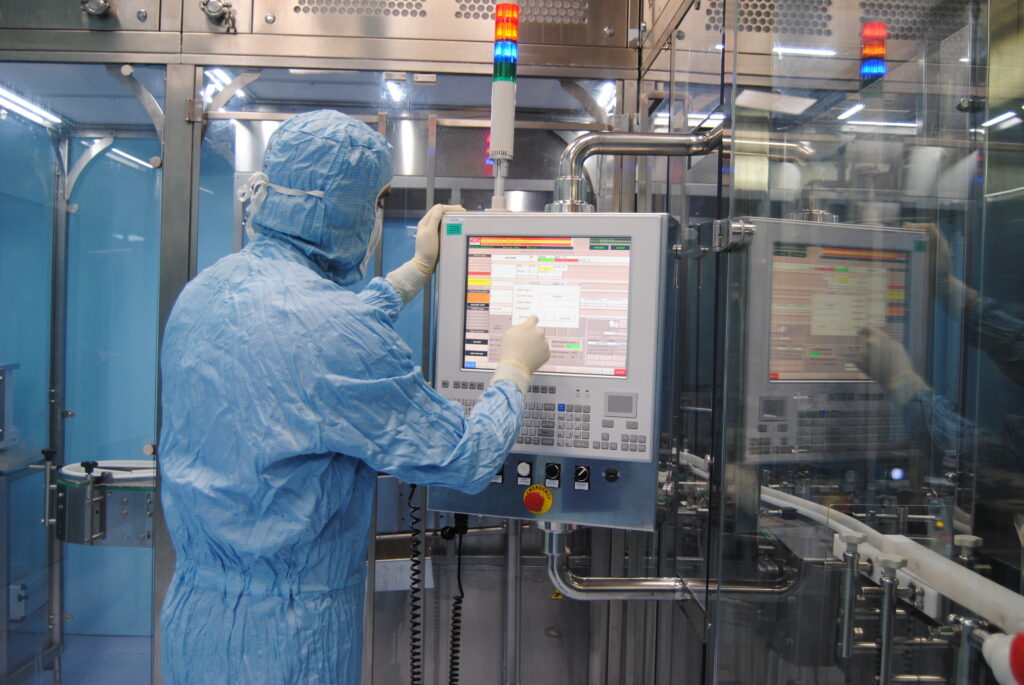
A typical turnkey engagement typically follows a five-step process:
- Feasibility and design concept: The consultant will review your product mix, capacity requirements, and site options and develop an early layout and budget range.
- Detailed engineering: Mechanical, electrical, plumbing, and process drawings are finalised, as well as cleanroom classifications and equipment specifications.
- Procurement and construction: Equipment was ordered, civil work started, and installation according to the coordinated schedule.
- Commissioning, qualification & validation: Facilities, utilities and equipment are tested and qualified for their intended use.Documentation is compiled. The facility is prepared for regulatory inspection.
Process validation activities are completed by, or in coordination with, the manufacturer’s quality and production teams. - Handover and support: Operators are trained, and the facility is handed over to your production team.
- This is an important order: One of the most common reasons projects go over budget is that construction begins before the design is sufficiently developed.
Common Mistakes to Avoid When Hiring a Turnkey Partner
- Going by price only: The low bidder may not include the same level of detailed engineering, which comes out later as change orders.
- Not checking dosage-form experience: A company that’s strong in tablets may struggle in sterile rooms.
- Skipping CQV planning until construction is done: CQV must be in on the design discussion from the beginning.
- Not reviewing earlier projects: Photos and case studies do not tell you how a facility actually works.
A short list like this can save you months of rework once you get into the contract negotiations with a pharma turnkey consultancy firm.
Wrapping Up
Pharma turnkey consultancy services are designed to take the headache of coordinating the construction of a compliant, working facility from scratch. You have one team that is responsible for the agreed design, construction and CQV scope, which can mean better-controlled timelines, greater budget visibility and fewer late-stage surprises before inspection. That combination of engineering depth and hands-on project delivery can look like companies such as Pharma Access. The questions to ask are the same if you go with a big firm or a smaller specialist. What have they built before? Who owns the schedule, and how early does validation planning start?
Frequently Asked Questions
What is the difference between a turnkey consultant and a regular engineering firm?
A design-only engineering company only designs, so you have to hire separate contractors for construction and validation. A turnkey consultant takes design, procurement, construction, and CQV and bundles them into a single contract, with one team responsible for agreed facility-project scope.
How long does a typical pharma turnkey project take?
Timelines depend on the type and size of facility, but a small to mid-size oral solid dosage plant may take approximately 18 to 24 months from design to handover. Sterile or biotech facilities usually take longer due to additional cleanroom and validation requirements.These timelines are indicative and can vary depending on project scope, site conditions, regulatory requirements, approval timelines and equipment lead times.
Do turnkey consultants handle FDA and WHO compliance documentation?
Most experienced companies includeGMP and qualification requirements design, such as cleanroom classification, airflow studies, and facility, utility and equipment qualification documentation, to support compliance with FDA CGMP requirements as well as WHO good manufacturing practice guidance. However, the manufacturer remains responsible for its pharmaceutical quality system, batch documentation, process validation, regulatory submissions and ongoing GMP compliance.
Is a turnkey model more expensive than hiring separate contractors?
Not necessarily. It might seem that the initial quote is higher, but one accountable contract tends to mitigate the change orders and delays that drive up costs with multiple vendors.
Can a turnkey consultant work on an existing facility, not just a new build?
Yup. Many companies perform brownfield expansions and upgrades within existing facilities, applying the same design-build-validate approach to adding capacity or new product lines without shutting down existing operations.