
Pharmaceutical facility CAPEX is heavily influenced before construction begins. A large share of the eventual cost is shaped earlier, in a handful of design choices that look small on a meeting agenda and large on a bill of quantities. Dosage form, cleanroom class, containment, air strategy, and utility redundancy can shape a large share of the budget before the first drawing goes to site.
Here is why that matters for cost control. You can negotiate unit rates later, but you cannot negotiate your way out of an oversized clean area. Let’s break it down.
Quick Answer: The 10 Decisions That Set Pharma Facility Cost
- Dosage form and product mix
- Capacity and batch size
- Cleanroom classification and extent
- Containment level
- HVAC zoning and air strategy
- Utility generation and redundancy
- Automation level
- Equipment specification and sourcing
- Materials and finishes
- Future expansion strategy
Design maturity sits behind all ten. The sections below cover each decision, then the contract, value engineering, and lifecycle cost.
The 10 Decisions Behind Pharma Facility Cost Drivers
The pharma facility planning cost drivers below are listed in the order most teams meet them. Early choices shape the later ones.
1. Dosage Form and Product Mix
Dosage form sets the room list, air classes, utilities, and validation scope. An oral solid dosage line, a sterile injectable line, and a biologics suite can require different facility configurations, environmental controls, utilities and qualification strategies. Pharma Access groups its project work into biotechnology, sterile manufacturing, oral solid dosage, oral liquid dosage, and API, which shows how different these categories are.
A sterile line usually carries more classified area, more utilities, and more qualification work than an oral solid line. Mixed product plans can add segregation rooms, dedicated equipment, and cleaning studies. Settle the product mix before you size anything else.
2. Capacity and Batch Size
Capacity sets room size, equipment size, and utility demand. Build too small and you pay for an expansion within a few years. Build too large and you tie up capital in idle space and idle plant.
Work from annual volume to batch size, shifts, and campaign pattern. Then balance the line so one machine does not cap the output of all the others. Write the design basis down and keep it under change control.
3. Cleanroom Classification and Extent
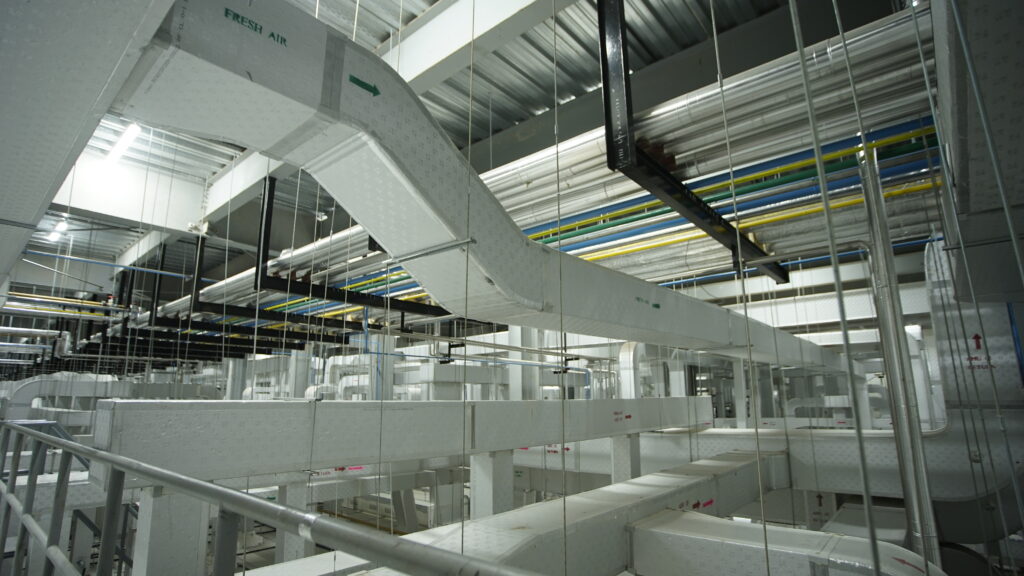
Classification changes cost because it influences the environmental control strategy. Tighter cleanliness requirements can require greater control of airflow, filtration, room pressure and recovery performance, all of which can raise cost. Supply and exhaust air systems are major cost items in a cleanroom, and the cost range depends on classification, airflow strategy, temperature control, pressurisation, and humidity needs. Temperature and relative humidity requirements can also be major cost drivers in cleanroom design and construction, not only classification.
Two questions save money. Which rooms truly expose products? And how tight do temperature and humidity need to be in each one? Apply classification according to process and contamination-control requirements, not automatically to the whole floor.
4. Containment Level
Containment adds airlocks, pressure cascades, dedicated air systems, and sometimes isolators. The challenge is finding a containment strategy that manages exposure risk at a reasonable lifecycle cost. Product protection and worker protection can require different pressure and airflow strategies.
Containment can also be localised at the machine. Localised containment such as isolators or downflow booths can reduce reliance on room-level containment in some applications, depending on product hazard, exposure risk and process design. Define the applicable exposure or containment requirement for each product before you design rooms, because a late upgrade means rebuilding walls and air systems.
5. HVAC Zoning and Air Strategy
HVAC deserves its own decision because it sets both CAPEX and running cost. Benchmarking studies consistently show cleanroom HVAC as a major share of total facility energy use. It can also represent a significant share of a GMP Annex facility’s utility cost.
Zoning is the lever. Appropriate air-handling zoning and control strategies may allow some areas to operate in reduced-airflow modes where this is justified by process risk and qualification. WHO’s HVAC guidance requires filtration, airflow direction and pressure differentials to be selected according to the product, process and level of protection required. Those decisions affect fan size, filter configuration, and duct sizing. Treat any air change reduction as a validated, risk-based decision, not a drawing-stage guess.
6. Utility Generation and Redundancy
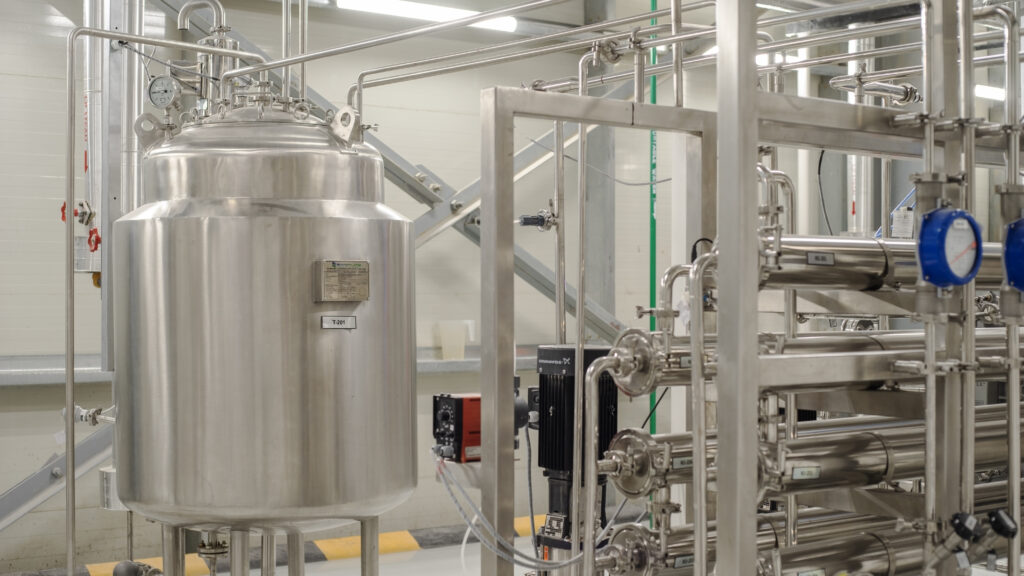
Utilities include water, steam, chilled water, compressed air, nitrogen, power, and effluent treatment. Plant size follows the load list, and the load list follows the earlier decisions. WHO’s guidance on water for pharmaceutical use covers which water grade suits which application and how to design, install, and operate the systems. Use it to avoid supplying a higher grade than a process needs.
Redundancy is a business decision. Duplicate pumps, standby chillers, and backup power cost money. A stopped water loop or failed cooling plant can cost a batch. List the loads that must stay on, such as classified-room HVAC, water circulation, cold storage, and controls, and protect those first.
7. Automation Level
Automation ranges from manual operation with local controls to integrated facility automation such as BMS/EMS and process or equipment automation such as PLC, SCADA, DCS or batch control. More automation raises CAPEX and validation scope. Less automation raises labour and error risk. Match the level to batch records, data integrity needs, and operator skill. Use a risk-based approach, as in ISPE’s GAMP 5 guidance for computerised systems, and avoid building a data system the site cannot support.
8. Equipment Specification and Sourcing
Equipment is a large share of CAPEX, and the user requirement specification controls it. A well-done front-end package lets the specification reflect real process conditions, such as validated flow rates, confirmed material compatibility, and defined utility connections. Vague specifications invite over-specified quotes or wrong machines.
Check more than price. Compare lead time, spare parts support, documentation quality, factory acceptance testing, and the utility loads each supplier states. A cheaper machine with a larger utility demand can raise plant cost elsewhere.
9. Materials and Finishes
Finishes in classified rooms must clean well and survive disinfectants. Pharma cleanrooms carry a higher cost per square foot because their surfaces, junctions and finishes must support cleanability, durability and contamination control. Wall panels, floors, doors, ceilings, and lighting all follow cleanability rules.
Do not apply cleanroom finishes everywhere. Offices, general stores, and plant rooms can use standard materials. Use the premium finish only where the process or the cleaning regime needs it.
10. Future Expansion
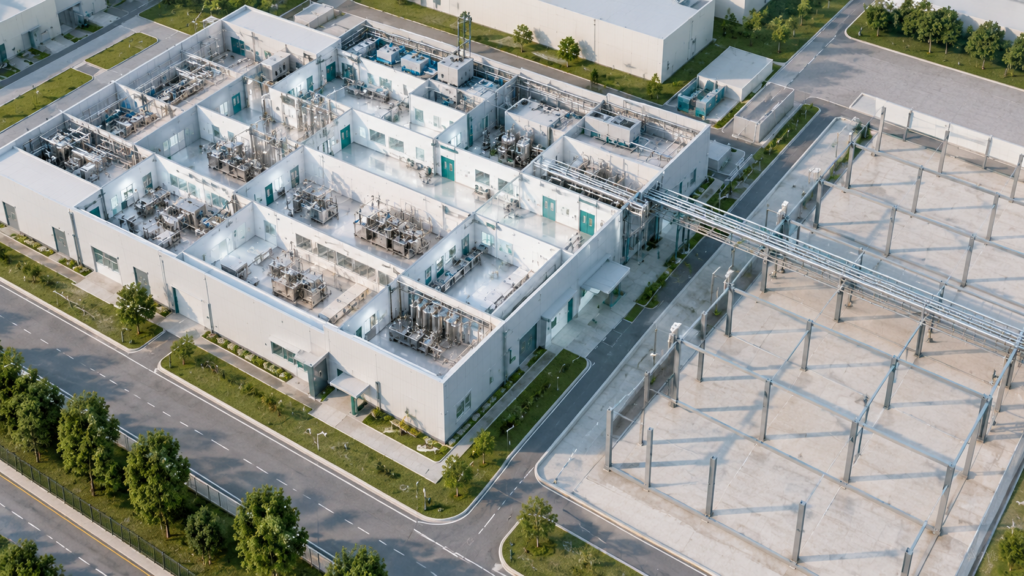
Expansion planning costs little on paper and a lot later. Reserve floor area, plant space, electrical capacity, and pipe routes for phase two. Allow for future capacity in utility routes, tie-in points and switchgear where engineering designs and lifecycle analysis justify it, rather than automatically oversizing active systems. Pharma Access describes a Modular Mobile Facility concept on its website, an off-site delivery approach that can support phased growth or schedule acceleration where it suits the project.
Why Design Maturity Beats Unit Price
Teams often chase lower unit rates when they should chase a clearer design. Early work costs little and shapes the outcome. One ISPE article says concept and front-end design typically account for no more than 5 to 10 percent of total project cost, yet they define the outcome of everything else. A BioPharm International article says the first 5 to 15 percent of effort in scope development affects 75 to 90 percent of final cost.
Construction research points the same way. A Department of Energy guide linked a high level of front end planning to roughly 20 percent cost savings and 39 percent schedule savings. That is a cross-industry average, not a pharma promise. Estimate quality also improves with design maturity. ISPE’s project matrix places concept estimates at about plus or minus 30 percent and front-end design estimates at about plus or minus 10 percent.
Late change makes it worse. One study found design-error rework could add around 16 percent to original contract value in construction projects. Pharma construction cost rises fastest when drawings change after equipment is ordered and pipes are installed.
Pharma EPC Project Cost: Contract Choice Matters
The contract model spreads risk, and design maturity decides whether the model works. A fixed price EPC contract is a turnkey model where one contractor handles design, procurement, construction, and commissioning, and typically takes substantial cost and schedule risk under the agreed contract terms. Pharma EPC project cost may look certain on day one, but the price assumes a stable scope. One advisory firm lists design maturity that is fit for purpose and schedule among its tips for using lump sum EPC contracts.
The alternative has trade-offs too. Under cost reimbursable contracts, costs are not capped, so the final price varies and the owner needs strong cost management and oversight. Choose the model after you measure design maturity. A well-defined scope suits a fixed price. An evolving scope may suit a reimbursable or target-cost structure with appropriate incentives and risk allocation.
Pharmaceutical Facility Value Engineering: Where It Helps and Where It Backfires
Value engineering is not a cost cut. One public definition describes it as defining the required function and creating alternatives to provide that function at the lowest life-cycle cost. Pharmaceutical facility value engineering works when it removes cost that serves no function. It fails when it removes function.
Where it helps
- Trimming classified area to where the process and contamination-control requirements justify it
- Using standard finishes in non-GMP areas
- Standardising equipment and spare parts across lines
- Localising containment at the machine instead of building a larger suite
- Combining utility generation where loads and risks allow
- Reducing air change rates through a validated, risk-based study
Where it becomes false economy
- Cutting redundancy on loads that must stay running
- Downgrading HVAC controls or monitoring
- Choosing finishes that fail under routine cleaning
- Shrinking maintenance access or qualification space
- Deleting spare plant capacity that expansion will need
Regulated sites carry extra risk. One commissioning firm warns that value engineering in life sciences can create hidden commissioning, validation, and compliance costs, because the systems on the table are rarely cosmetic. The same source says catching a problem at design costs almost nothing, while catching it after occupancy can mean a production hold, a deviation, or a regulatory finding. Record each accepted change and the reason, and ask quality and validation staff to review it.
Lifecycle Cost Pharmaceutical Facility: Look Past Handover
CAPEX is only the first bill. A lifecycle cost pharmaceutical facility view adds energy, maintenance, cleaning, requalification, and spare parts. HVAC can be a major running cost, as shown above. Fan power can represent a substantial share of cleanroom air-handling utility cost.
That changes some choices. A larger duct or a better fan can cost more at the start but lower energy use over its operating life. A cheap system with high pressure drop does the opposite. Compare options over a stated period, and include energy and maintenance, not purchase price alone.
How to Control Cost in a Pharma Turnkey Project
Pharmaceutical project cost control works best as a short sequence:
- Write the basis of design. Record products, volumes, classes, containment bands, and expansion plans.
- Challenge the room list. Remove classified areas that the process does not need.
- Set a cost range, then narrow it. Use wide ranges early and tighter ones as design matures.
- Freeze in stages. Lock process data and layout before major orders.
- Run value engineering with quality and validation staff. Document every accepted change.
- Control change. Require an impact check on cost, schedule, and qualification for every request.
- Compare lifecycle cost. Add energy and maintenance to every major option.
Common Mistakes to Avoid
- Pricing the building before the product mix is settled
- Classifying every room to the highest level “to be safe”
- Treating containment as an afterthought
- Cutting redundancy without a risk review
- Buying equipment before utility loads are confirmed
- Reviewing value engineering ideas without quality input
Next Steps
Start with the ten decisions. Write down your current answer to each, mark the weak ones, and close those before detailed design starts. Pharmaceutical products project cost control is easier when the weak spots show up on paper first. Pharma Access shares more facility-planning topics on its blog at the website.
Frequently Asked Questions
What are the biggest cost items in a pharmaceutical facility?
Cleanroom HVAC, process equipment, utilities, and finishes usually lead. Air systems rise with classification, temperature, and humidity needs. Dosage form and containment level decide how much classified area and special equipment the building needs.
How does cleanroom classification affect CAPEX?
Tighter cleanroom requirements can increase the level of control needed for airflow, filtration, pressure, recovery performance and environmental conditions. The exact air-change rate, filtration strategy and airflow pattern should be based on the process, contamination-control strategy and qualification requirements rather than classification alone. Limiting high classification to rooms and operations where it is technically justified is one of the strongest ways to hold CAPEX down.
Is value engineering safe in a GMP facility?
It can be, if quality and validation staff review each change and the team records the reason. Cutting redundancy, controls, or cleanable finishes often adds commissioning, validation, and operating cost later.
Why does design maturity matter for cost control?
Early design choices shape most of the final cost, and late changes trigger rework. Studies cited by ISPE, BioPharm International, and the U.S. Department of Energy tie better front-end work to lower cost and shorter schedules.
Should I choose a lump sum or reimbursable for a pharma EPC project?
It depends on design maturity. A well-defined scope generally suits a fixed price. An evolving scope may suit reimbursable or target-cost terms, depending on the project’s risk allocation. Reimbursable contracts leave more cost risk with the owner and need strong oversight.