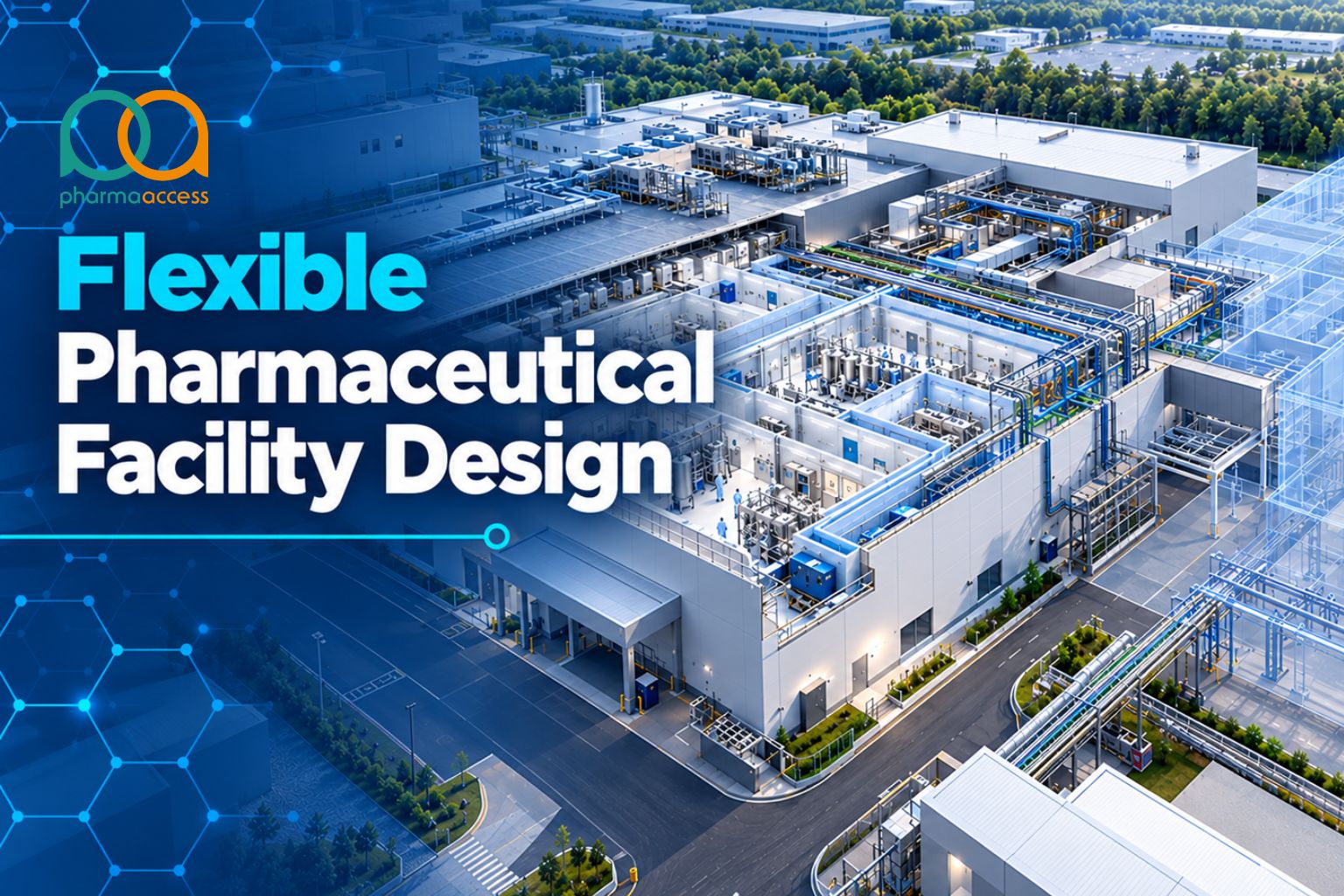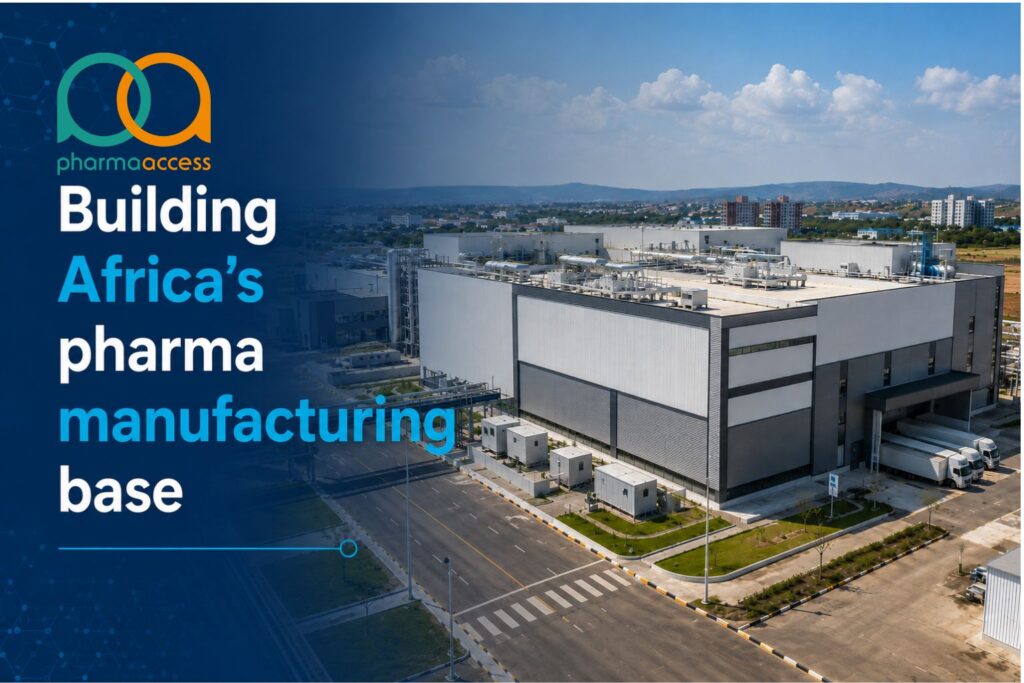
Africa’s pharma manufacturing base is at a turning point. For decades, the continent has relied on imported medicines and vaccines, a dependency that COVID-19 exposed in painful detail. Now two forces, a new continental regulator and a bold production target, are pushing governments and manufacturers toward a different future. This post looks at what those forces actually mean, and what it takes on the ground to turn the goal into working facilities.
Why Africa Still Imports Most of Its Medicines
The numbers explain the urgency. Africa imports more than 70% of the pharmaceuticals it consumes, while the WHO African Region imports 99% of its vaccines, with a significant share of pharmaceutical imports coming from Asian manufacturing markets. That reliance leaves the continent exposed every time a supply chain hiccup hits somewhere else in the world, and it can add logistics costs, duties, longer lead times, and supply-chain exposure. Local manufacturing can reduce some of these pressures, although its cost competitiveness ultimately depends on production scale, capacity utilisation, input costs, infrastructure, and operating efficiency.
This is not a new problem, but it took a pandemic to turn it into a policy priority.
What Is the African Medicines Agency (AMA)?
The African Medicines Agency was created to address one of the biggest roadblocks to local manufacturing: a fragmented regulatory landscape. Without stronger continental coordination, manufacturers seeking access across multiple African markets have had to navigate fragmented national and regional regulatory requirements, with differing procedures and timelines.
The AMA is a specialised health agency of the African Union designed to strengthen the capacity of participating member states and recognised Regional Economic Communities to regulate medical products, support regulatory harmonisation, and coordinate existing regulatory efforts rather than replace national medicines regulators. As of 22 May 2026, thirty-one African Union member states had ratified or acceded to the treaty establishing the agency and deposited their instruments, marking a continuing institutional shift toward stronger regional regulatory cooperation.
The 60%-by-2040 Goal, Explained
Here is the target at the centre of the sector’s local-manufacturing agenda. Africa CDC, through its Partnerships for African Vaccine Manufacturing (PAVM) initiative, originally set a goal for Africa to manufacture 60% of its vaccine needs locally by 2040; in February 2026, African leaders broadened the continental ambition by declaring a goal to meet at least 60% of Africa’s health-product needs through local manufacturing by 2040. The AMA and this wider production ambition are complementary: one supports stronger and more harmonised regulatory systems, while the other creates a long-term manufacturing and demand objective worth building capacity for.
A few numbers put the scale of this ambition in perspective:
- More than 70% of pharmaceuticals consumed in Africa are imported, while 99% of vaccines used in the WHO African Region are imported, showing how limited local production remains relative to demand today.
- Many African pharmaceutical facilities operate at 30–60% capacity, below the 70%+ utilisation rates reported in more advanced pharmaceutical manufacturing markets.
- Pharmaceutical production is also concentrated: just eight countries account for 85% of Africa’s approximately 690 pharmaceutical manufacturing facilities.
Closing that gap by 2040 means building real production capacity, not just signing agreements.
What Facility Investment Actually Requires
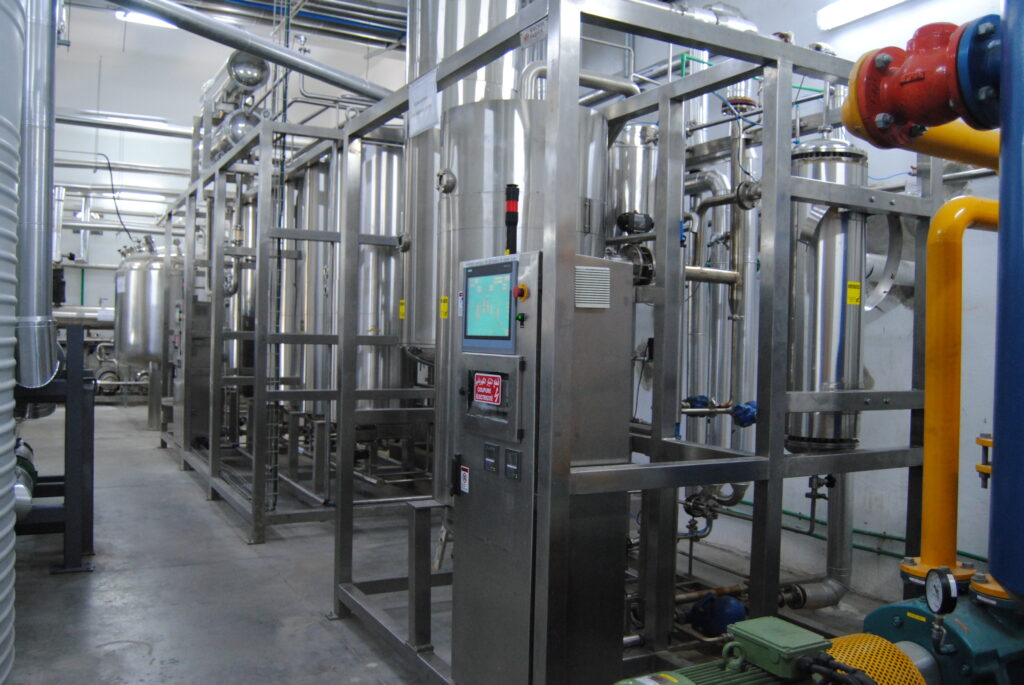
A regulatory framework and a target date do not build a factory. Getting from policy to working production lines takes capital, infrastructure, and technical expertise, and each of these carries its own set of hurdles.
Infrastructure Gaps
Unreliable electricity, weak transportation networks, and limited access to advanced testing equipment all slow down manufacturing readiness. A pharma facility depends on consistent power for HVAC, water systems, and cold storage, so power reliability and utility resilience are critical early considerations for an engineering team before the manufacturing systems themselves can operate reliably.
GMP-Compliant Facility Design
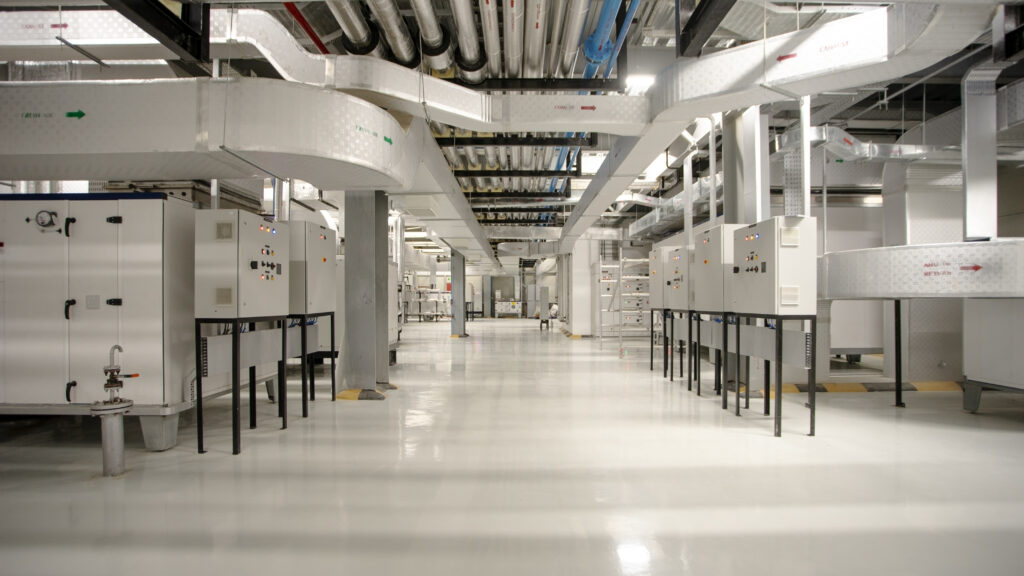
Many local manufacturers face a shortage of facilities built to Good Manufacturing Practice (GMP) standards, including proper HVAC systems and layout design. Retrofitting an existing building can achieve GMP requirements, but brownfield projects may face constraints related to personnel and material flows, segregation, HVAC zoning, utilities, structural capacity, equipment access, and maintainability. A structured engineering and GMP gap assessment is therefore needed to determine whether upgrading an existing building or developing a purpose-built greenfield facility offers the lower technical and lifecycle risk.
Skilled Workforce
A shortage of trained personnel affects both construction and ongoing operations. Facilities need staff who understand validation, quality systems, and day-to-day GMP practice, not just people who can run equipment.
High Capital Costs
Building a GMP-compliant facility carries a real price tag, and the burden of financing a full qualification, validation, and compliance programme is not small, especially during periods of economic pressure. This is one reason regional demand-pooling mechanisms and long-term offtake agreements matter so much. They give investors a clearer path to a return before they commit capital.
What Investors Should Define Before Facility Design Begins
Before committing capital, manufacturers and investors also need to define the intended product portfolio, dosage forms, production capacity, target regulatory markets, site infrastructure, demand assumptions, future expansion requirements, and the CQV strategy. These decisions directly influence facility size, cleanroom classification, utility loads, process equipment, CAPEX, operating cost, and the choice between greenfield and brownfield development. Building these requirements into the project definition early reduces the risk of designing capacity that cannot operate competitively or support the intended market.
How Modern Engineering Tools Fit Into the Picture
As new facilities get planned across the continent, the design and construction process itself is changing. Simulation-based pharmaceutical engineering, including computational fluid dynamics (CFD), digital modelling, and AI-assisted analysis, is increasingly used to evaluate airflow, simulate HVAC performance, and identify layout issues before construction starts, rather than after.For a region trying to build capacity quickly and get it right the first time, catching design problems on a screen instead of on a half-built facility saves both time and money.
This matters more in Africa’s context than almost anywhere else. With capital tight and timelines tied to regional demand targets, a facility that requires major late-stage design corrections, rework, or repeat qualification can create delays and additional costs that investors need to plan for from the beginning.
Where Cleanroom Validation Fits Into the 2040 Target
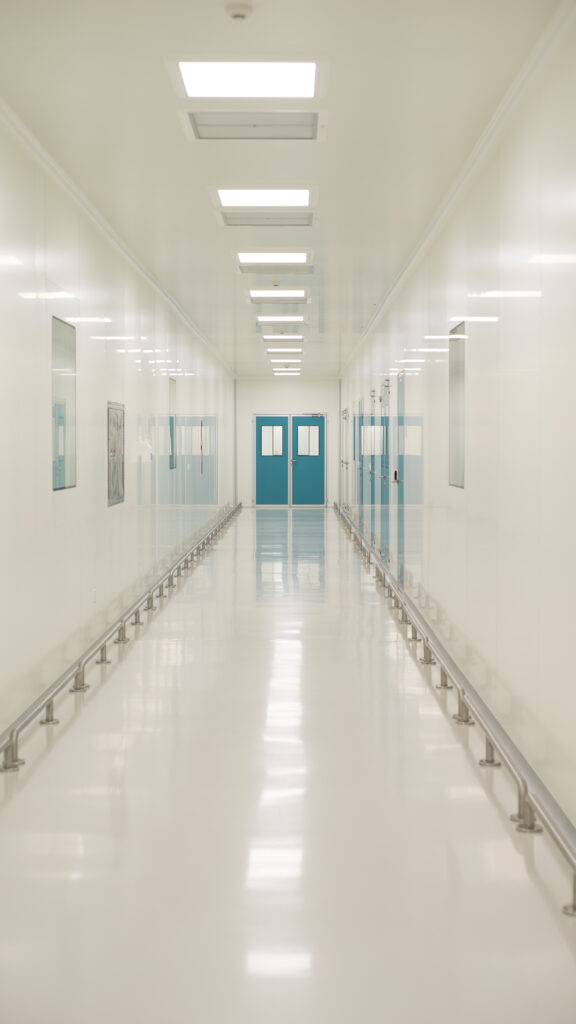
None of this production capacity means anything if the facilities cannot pass inspection. A Cleanroom Validation Procedure, more precisely described in pharmaceutical GMP terminology as cleanroom qualification, uses ISO 14644 classification principles together with applicable GMP requirements to provide documented evidence that classified environments perform as intended. Depending on the facility and applicable requirements, qualification can include particle classification, HEPA-filter integrity testing, airflow volume and velocity, pressure differentials, airflow visualisation, microbial contamination, temperature, relative humidity, recovery, and other relevant tests. For African manufacturers targeting WHO prequalification or regulated regional and export markets, cleanroom qualification is an important part of GMP readiness where classified cleanrooms are required. It provides documented evidence of controlled-environment performance, but it does not by itself constitute product approval or WHO prequalification.
Late or incomplete qualification can result in deviations, rework, retesting, and delays during facility start-up or inspection readiness. Building qualification requirements into the design and construction timeline from day one, rather than treating them as a final checkbox, gives a facility a stronger basis for achieving its planned qualification and start-up schedule.
Why International Partnerships Matter
Africa does not need to build this manufacturing base alone, and international collaboration, technology transfer, skills development, and strategic partnerships are already part of the continent’s local-manufacturing agenda. Partnering with experienced pharmaceutical engineering consultants in India https://www.pharmaaccess.net/ can bring design and construction knowledge from a country that has already built a mature generics manufacturing ecosystem. That experience, applied appropriately to the regulatory, infrastructure, product, and operating requirements of individual African markets, can shorten the learning curve considerably.
Good Pharma Project Management Services matter just as much as the engineering itself. Coordinating design, procurement, construction, and validation as one connected process avoids the fragmented handoffs that lead to rework, delays, and budget overruns, all of which are harder to absorb in markets where capital is already tight.
At Pharma Access, we work on engineering design, construction, and CQV (commissioning, qualification, and validation) for pharma facilities across multiple countries, bringing more than 25 years of technical and operational experience to projects that need to integrate GMP, operability, and qualification requirements from the design stage onward. The manufacturer remains responsible for GMP operations, its pharmaceutical quality system, and applicable regulatory approvals, while the engineering and project team coordinates the agreed scope through design, construction, commissioning, qualification, and handover. If your organization is planning a facility to support Africa’s pharma manufacturing base, our team can help translate a production target into an engineered, commissioned, and qualification-ready facility. You can learn more about our approach on the Pharma Access about page.
Wrapping Up
The AMA and the 60%-by-2040 goal give the continent’s pharma sector a clear direction, but direction alone will not build the plants needed to get there. Reliable power, GMP-compliant design, trained staff, and rigorous qualification & validation all have to come together, project by project, facility by facility.
The countries and companies that treat facility investment as a technical and engineering challenge, not just a policy commitment, will be the ones best positioned to contribute meaningfully toward Africa’s 2040 local-manufacturing ambition.
FAQs
What is the African Medicines Agency (AMA)?
The AMA is a specialised health agency of the African Union established to strengthen regulatory capacity, support harmonisation of medicines regulation, and coordinate existing regulatory efforts across participating member states and regional bodies. It complements rather than replaces national medicines regulatory authorities.
What does the “60% by 2040” goal actually mean?
The original PAVM target called for Africa to manufacture 60% of its vaccine needs locally by 2040. In February 2026, African leaders broadened the continental ambition to meet at least 60% of Africa’s health-product needs through local manufacturing by 2040.
Why do so many African pharma facilities struggle with GMP compliance?
Common barriers include unreliable electricity, limited access to GMP-compliant facility infrastructure, a shortage of trained personnel, and the high upfront cost of building and qualifying a facility to international standards.
Why is cleanroom validation so important for new African facilities?
Cleanroom qualification provides documented evidence that classified environments meet their defined cleanliness and performance requirements. It is an important part of GMP readiness for facilities that require controlled environments, although cleanroom qualification alone does not constitute regulatory approval or WHO prequalification.
How can international partners help Africa reach its manufacturing goals?
Experienced engineering and project management partners can bring facility design, construction, commissioning, qualification, technology-transfer, and project-delivery expertise from established pharmaceutical manufacturing markets, helping African project teams reduce avoidable rework and build local capability as manufacturing capacity expands.