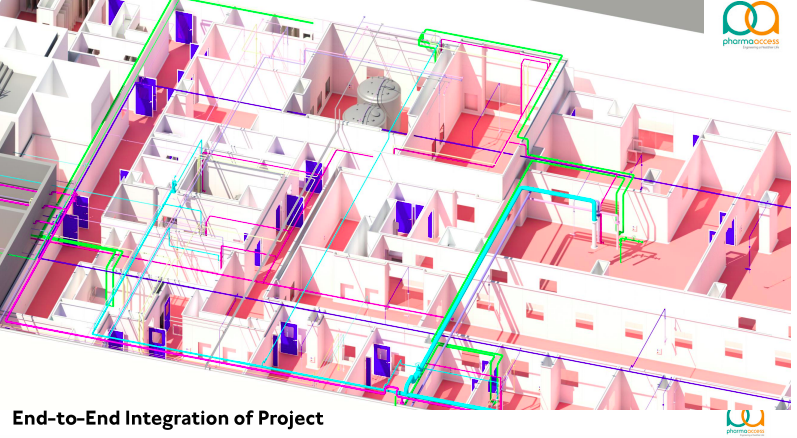
A pharmaceutical facility is more than a construction project. Process equipment, cleanrooms, HVAC, utilities, automation, material and personnel flows, commissioning and qualification must ultimately function as one integrated system.
This makes the choice of pharmaceutical project delivery model an important early project decision.
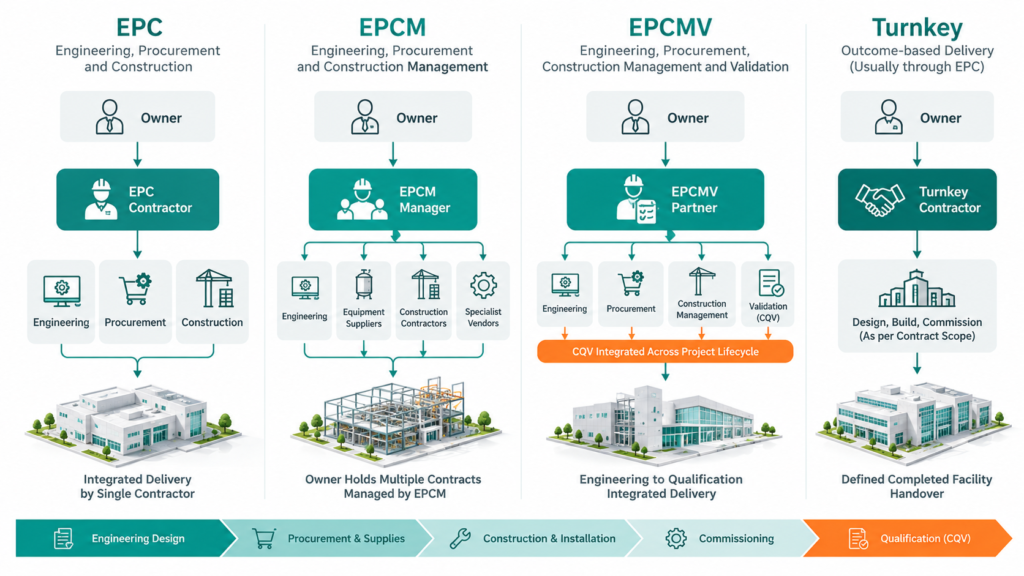
When comparing EPC vs EPCM in a pharmaceutical project, the key difference is not simply who performs engineering or construction. The selected model determines contractual responsibility, owner involvement, procurement control, interface management, commercial risk, schedule accountability and the integration of commissioning and qualification.
EPC, EPCM, EPCMV and turnkey models can all be appropriate. The right choice depends on project scope, complexity, internal capabilities, desired level of control and risk allocation.
For organizations evaluating these routes, Pharma Access supports pharmaceutical projects from engineering and design through procurement, construction and installation, project management and CQV, allowing the delivery strategy to be developed around the requirements of the project rather than a single predefined model.
EPC in Pharmaceutical Projects
EPC stands for Engineering, Procurement and Construction.
Under an EPC structure, the owner appoints a principal contractor to execute the defined engineering, procurement and construction scope. The EPC contractor typically manages its suppliers and subcontractors and serves as the primary contractual interface for the agreed scope.
A key advantage is the concentration of responsibility. This can simplify coordination and provide stronger single-point accountability for delivery.
However, EPC does not mean every project risk automatically transfers to the contractor. The actual allocation depends on the contract. Owner changes, incomplete requirements, site conditions, permits, access constraints and defined relief events can still affect cost and schedule.
EPC is generally better suited to projects where:
Scope and process requirements are relatively mature
Major equipment and facility interfaces are understood
Performance requirements can be clearly defined
The owner wants fewer contractual interfaces
Greater delivery accountability is preferred
In pharmaceutical projects, requirements such as production capacity, GMP zoning, cleanroom classification, utilities, equipment interfaces and automation philosophy should therefore be sufficiently developed before major EPC commitments are made.
EPCM in Pharma
EPCM stands for Engineering, Procurement and Construction Management.
Under an EPCM model, the EPCM organization performs or manages engineering and procurement while managing construction on behalf of the owner.
The key distinction from EPC is usually the contractual structure. In a typical EPCM arrangement, the owner holds contracts directly with equipment suppliers, construction contractors and specialist vendors, while the EPCM partner coordinates the packages and manages their technical and schedule interfaces.
This can provide greater owner control over:
Vendor selection
Equipment procurement
Package strategy
Design development
Project changes
EPCM can also support fast-track execution. Long-lead equipment or selected construction packages may be released once the relevant engineering has reached sufficient maturity, rather than waiting for every element of detailed design to be completed.
The trade-off is greater owner involvement and greater exposure to interfaces between the individual packages.
EPCM is therefore often appropriate when the owner has an experienced project team, wants direct procurement control or is managing a complex brownfield project where design and operating interfaces continue to evolve.
EPCMV in Pharmaceutical Projects
EPCMV stands for Engineering, Procurement, Construction Management and Validation.
This model is particularly relevant to pharmaceutical and biotechnology projects because project completion does not end with construction.
Facilities, utilities and equipment must ultimately be commissioned and qualified for their intended use, while validation requirements must be addressed within the manufacturer’s quality system.
The value of EPCMV is therefore not simply adding validation activities at the end of a project. It is about considering commissioning and qualification requirements while engineering and procurement decisions are still being made.
For example, selection of a process equipment package may need to consider not only capacity, price and delivery but also:
Materials of construction
Instrumentation and calibration
Automation requirements
Vendor documentation
FAT and SAT requirements
Traceability
Qualification documentation
EPCMV is not one universal contract form. Commercial responsibility for suppliers, construction contractors, schedule, CQV and final handover can differ between projects.
These responsibilities should therefore be clearly established at the start.
Turnkey in Pharmaceutical Projects
EPC and turnkey are often used together, but they describe slightly different concepts.
EPC describes the scope of Engineering, Procurement and Construction.
Turnkey describes the intended delivery outcome, where a contractor is expected to hand over the project at an agreed stage of completion.
For pharmaceutical projects, that handover point needs to be clearly defined.
A turnkey contract may include construction and commissioning, while another may extend into qualification support, training and documentation turnover.
The important question is therefore not simply whether a project is described as turnkey, but what the contract defines as the completed outcome.
EPC vs EPCM vs EPCMV vs Turnkey: Decision Matrix
Decision Factor
EPC
EPCM
EPCMV
Turnkey
Primary structure
Engineering, procurement and construction under a principal contractor
Engineering and procurement with construction management on behalf of owner
EPCM-type delivery integrated with validation/CQ activities
Delivery against a defined completed outcome
Owner involvement
Generally lower
Higher
Moderate to high
Generally lower
Procurement control
Primarily contractor-led
Greater owner control
Depends on contract
Primarily contractor-led
Direct vendor contracts
Usually contractor-held
Often owner-held
Can vary
Usually contractor-held
Cost visibility
Can be greater where scope is mature
Develops as packages are awarded
Depends on commercial model
Can be greater where outcome is clearly defined
Flexibility for changes
Lower after award
Higher
Moderate to high
Usually lower
Interface management
Concentrated with EPC contractor
Managed across multiple packages
Integrated across project and CQV interfaces
Concentrated with turnkey contractor
CQV integration
Must be specifically included
Can be included separately
Core consideration
Must be clearly defined
Best fit
Mature scope and consolidated responsibility
Greater flexibility and owner control
Regulated projects requiring early CQV integration
Clearly defined final delivery outcome
How to Choose the Right Model
There is no universally superior project implementation strategy in pharma. The decision should be based on the characteristics of the project.
Scope Maturity
A mature scope with defined capacity, process requirements and interfaces can support EPC or turnkey delivery.
Where significant design development is expected during execution, EPCM may provide greater flexibility.
Owner Capability
EPCM requires greater owner participation. The owner may need internal resources capable of technical decision-making, procurement oversight and commercial management.
Organizations seeking fewer contractual interfaces may prefer EPC or turnkey arrangements.
Procurement Strategy
Pharmaceutical manufacturers may want direct involvement in the selection of critical equipment such as filling lines, isolators, lyophilizers, bioprocess equipment, utility systems and automation platforms.
The delivery model should reflect how much procurement control the owner wants to retain.
Risk and Interfaces
Project risk should be allocated to the party best positioned to manage it.
This includes risks associated with long-lead equipment, vendor delays, scope changes, brownfield shutdowns, utility limitations, construction interfaces and qualification documentation.
Schedule
Fast-track projects frequently require engineering, procurement and construction activities to overlap.
The chosen model should support early package release while maintaining adequate design maturity, interface control and change management.
How Pharma Access Supports Pharmaceutical Project Delivery
We approach project delivery as an integrated engineering and execution process rather than treating design, construction and CQV as isolated phases.
Depending on project scope and delivery strategy, our capabilities cover:
Engineering Design Concept, basic and detailed engineering across process, cleanrooms, HVAC, mechanical and utility systems, electrical systems, automation and associated facility infrastructure.
Procurement & Supplies Technical specifications, vendor coordination, bid evaluation, procurement support and management of equipment and project packages.
Construction & Installation Coordination and execution of facility systems, cleanrooms, utilities, mechanical, electrical and associated installation works.
Project Management & Control Planning, scheduling, coordination, cost and progress monitoring, interface management and project controls across disciplines and contractors.
Commissioning, Qualification & Validation CQV planning and execution support, including requirements and risk assessments, FAT/SAT strategy, commissioning, qualification and documentation.
This allows us to support projects from concept and engineering through execution and CQV, while defining the delivery structure around project requirements, owner capabilities and the required level of responsibility.
The objective is not to apply EPC, EPCM or EPCMV simply as a label. It is to establish a project structure in which engineering decisions, procurement packages, construction interfaces and qualification requirements remain connected throughout delivery.
CQV Considerations
For regulated pharmaceutical facilities, CQV should influence project planning from the beginning.
EU GMP Annex 15 establishes a qualification lifecycle that can include:
URS → DQ → FAT/SAT → IQ → OQ → PQ, where applicable
Engineering and procurement decisions made early in the project can therefore affect qualification later.
If CQV requirements are introduced only near construction completion, projects may encounter missing vendor documentation, unclear acceptance criteria, incomplete testing records or systems that require additional work before qualification.
This does not mean every pharmaceutical project must use EPCMV. It means that whichever delivery model is selected should establish clear interfaces between engineering, procurement, construction, commissioning and qualification.
The manufacturer’s Quality Unit also retains its responsibilities within the pharmaceutical quality system. These responsibilities cannot simply be transferred to an EPC or EPCMV partner.
Conclusion
EPC, EPCM, EPCMV and turnkey are not competing labels where one model is always better than the others.
They represent different approaches to responsibility, control, contractual interfaces and risk allocation.
EPC can consolidate delivery responsibility. EPCM can provide greater owner control and flexibility. EPCMV can bring CQV considerations into project delivery earlier. Turnkey can provide a clearly defined delivery outcome when the handover criteria are established properly.
At Pharma Access, the focus is on aligning the project delivery strategy with the manufacturing requirement, technical complexity, owner organization and route to operational readiness.
The right question is therefore not:
Which delivery model is better?
It is:
Which delivery model places each project responsibility and interface with the party best positioned to manage it?
Frequently Asked Questions
1. What is the main difference between EPC and EPCM in a pharmaceutical project?
Under EPC, a principal contractor typically takes responsibility for engineering, procurement and construction of the agreed scope. Under EPCM, the EPCM organization manages these activities on behalf of the owner, while the owner often retains direct contracts with vendors and contractors.
2. Is EPC always a fixed-price contract?
No. EPC is often associated with lump-sum or defined-price contracts, but the term describes the delivery scope rather than one mandatory commercial structure. Pricing and risk allocation depend on the individual contract.
3. What is the difference between EPCM and EPCMV?
EPCM covers Engineering, Procurement and Construction Management. EPCMV integrates validation and CQV considerations more directly into project delivery, which can be particularly relevant to regulated pharmaceutical and biotechnology facilities.
4. Does turnkey mean a pharmaceutical facility is ready for commercial manufacturing?
Not necessarily. The turnkey handover point must be defined contractually. It may cover mechanical completion, commissioning, qualification support or another agreed stage. Commercial manufacturing can require additional quality, process-validation and regulatory activities.
5. What project delivery models can Pharma Access support?
Pharma Access supports pharmaceutical projects across engineering design, procurement and supplies, construction and installation, project management and CQV. The appropriate delivery approach is developed according to scope maturity, project complexity, owner involvement, procurement strategy and the required level of integration.
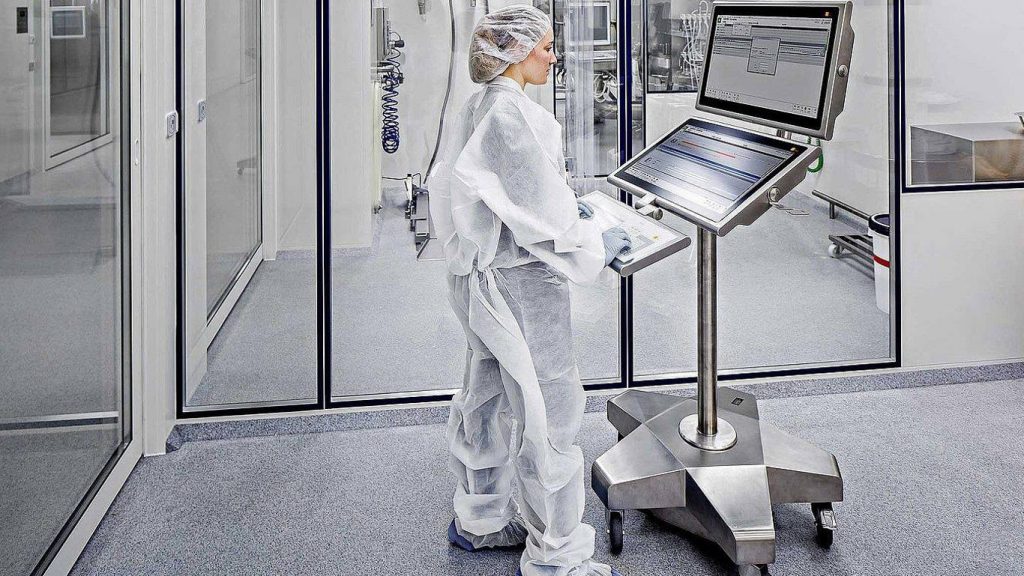
Pharmaceutical manufacturers are eliminating the use of paper batch records in favor of electronic batch recording. Manufacturing Execution Systems (MES) facilitate manufacturers to improve performance and reduce operational cost, while simultaneously increasing compliance with regulatory requirements.
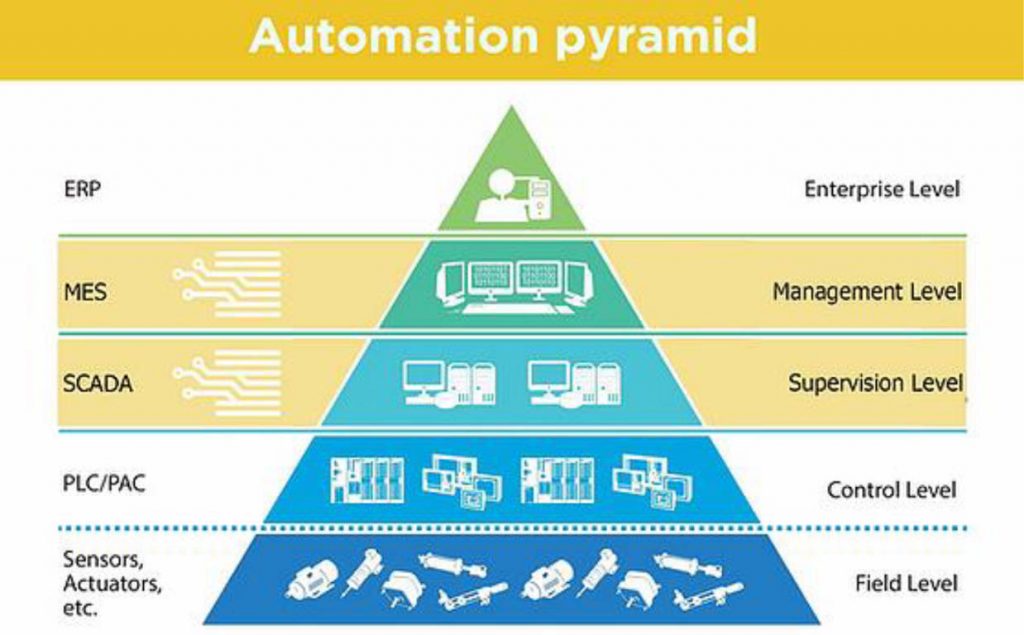
The MES plays a critical role at the center of the manufacturing operation, connecting shop floor personnel, equipment automation, logistics, sales and planning. Its ability to align these different functions and provide visibility to key stakeholders drives performance and compliance across the organization.
Do i need it for my manufacturing plant?
Executives at manufacturing companies of all sizes need to make decisions about where to invest to maintain and grow their businesses. Investments in manufacturing execution system (MES) applications may reduce costs and increase revenues, but they also might compete with other investment priorities, such as marketing campaigns and capital equipment upgrades.
In this article we will explore together the benefits of MES & evaluate an investment in MES versus other alternatives.
What are the advantages?
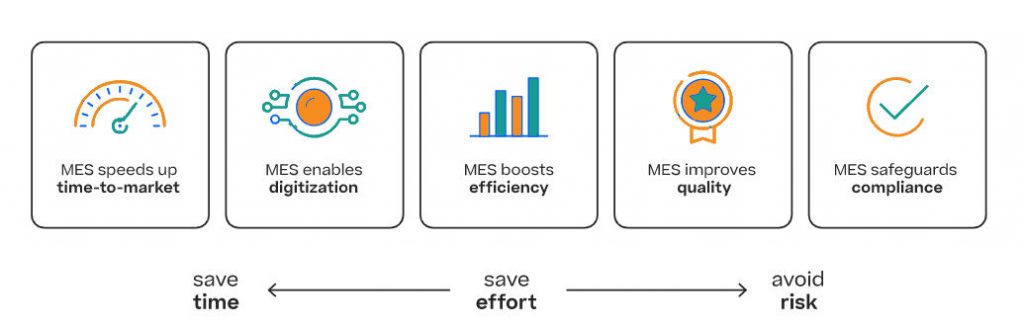
Manufacturing Execution Systems offer substantial improvements over paper based processes. They help pharma manufacturers create flawless manufacturing processes, reduce risks, time, costs and effort, and increase process efficiency and product quality. In addition, they provide valuable real time information on requirement changes. Nonetheless they are an important prerequisite for digitization and Pharma 4.0..
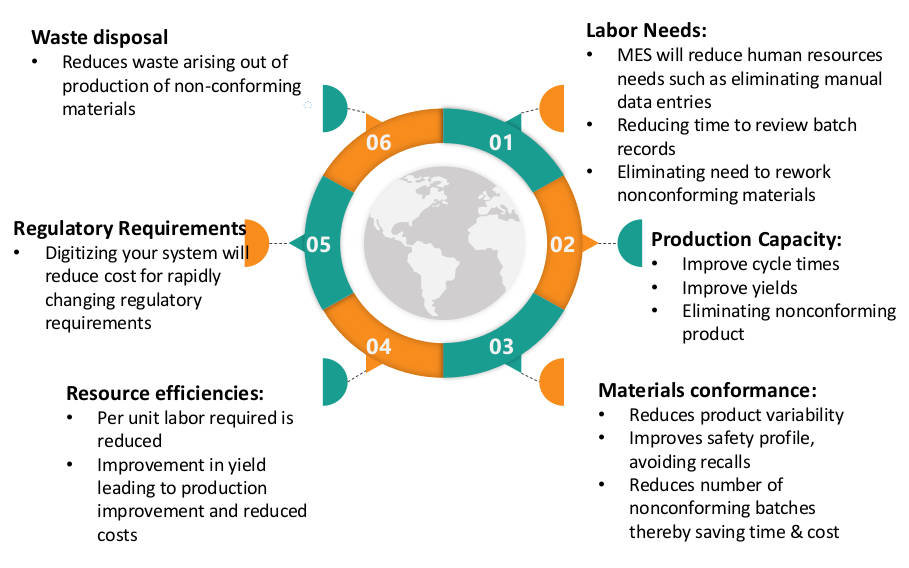
Few areas of opportunities where MES can help reduce costs are as following:
Are there any revenue improvements?
Implementation of MES is shown to increase the revenue and benefit the manufacturer in the following ways:
Greater Asset Productivity: MES allows more saleable product to be made in the same time on the same equipment, the margin of that incremental
product shall be considered a cash inflow
Faster Better decisions: Uncertainly about the disposition of a product can cause it to sit in a warehouse or delay shipment. Quicker resolution of such issues saves money and could lead to faster realization of revenue
Reduced working capital: Keeping material around when it is not immediately needed for production or sale is wasteful. These materials take up space and money. Eliminating them frees up working capital-money, space, or effort that would be spent dealing with these items can instead be used elsewhere
Better compliance profile and inspection results: Fewer nonconformances and manual errors reduce the risk of regulatory scrutiny and subsequent
regulatory actions
Customer retention due to improved cost and quality: MES implementation retains a customer that would likely be lost given the current state, the retention can be considered an incremental cash in flow.
New sales or better support for sales growth: For a plant in a sold out position, every additional unit that can be produced is a cash in flow of the margin of that unit.
What do we conclude
Implementation of MES is shown to increase the revenue and benefit the manufacturer in the following ways:
For existing facilities: For existing production facilities, the operational justification for the MES is typically based on quality and patient safety needs such as non conformances, CAPAs, audit observations, as well as business needs such as expansion plans, process/product changes, and overall business agility to meet unknown demands.
For greenfield facilities: For new operations, using an approach such as failure modes and effects analysis (FMEA) can identify risks that can be mitigated by implementing MES applications.
Conclusion
The decision to invest in MES applications should be driven by sound economics, based on real costs and benefits. The costs and benefits considered should be incremental, representing changes from what would happen anyway (the current state or base case) or, in the case of alternatives, real cash flow differences between the options.
With the right MES, pharmaceutical and biotech manufacturers can reduce time, efforts and risks and finally save costs provided that the system meets the requirements of the pharmaceutical industry in terms of functions, usability and compliance. Connect with us at sales@pharmaaccess.net to know the best practices for your facility!
Why focus on Material Handling and Overall Equipment effectiveness (OEE) should be of high priority
In any pharmaceutical facility, material handling systems and equipment play an important role in overall productivity of the plant. No matter how high capacity processing machines are installed, if the feed to these machines is not provided timely and consistently, the productivity of the plant go down drastically, more so the cost of re-starting some of the machines after a break.
Material handling starts from the raw material warehouse, till it reaches the finished goods warehouse. It involves warehouse racking, storage retrieval, pallet handling, pneumatic conveying, loading, and unloading of each unit operation, in process storage, tools & change parts management etc. During the routine operations, tons of raw material, semi-finished and finished goods are handled at different stages to process the material intended for final product. This constitute a major part of routine operation and undoubtedly has bearing on plant efficiency.
Why the need:
In general, facility design takes care of requirements related to man material movement as per cGMP guidelines and focus on processing equipment. However, often the part of material handling operations is overlooked by designers and decision makers largely due to missing focus and at times it is believed that material handling is not as important as the process machines and always can be managed later. In practice, when actual operations on the shop floor are performed, the need for proper material handling systems is felt by plant operating staffs. Thus, the design of the facility and selection of such material handling equipment requires a well thought out plan on the basis of operational needs of the plant so that all machines are being fed their respective raw material at an optimal speed without making machine operations to stop( or reduced speed) and thereby not affecting the throughput.
Types of material Storage &Transport systems
Manual Handling
Automatic with logic controller
Robotics
Continuous processing
Intermediate Bulk containers (IBCs)
Categories of material handling:
Conveyor
Intermediate Bulk Containers
Drums handlers
Pallet truck
Pneumatic conveying
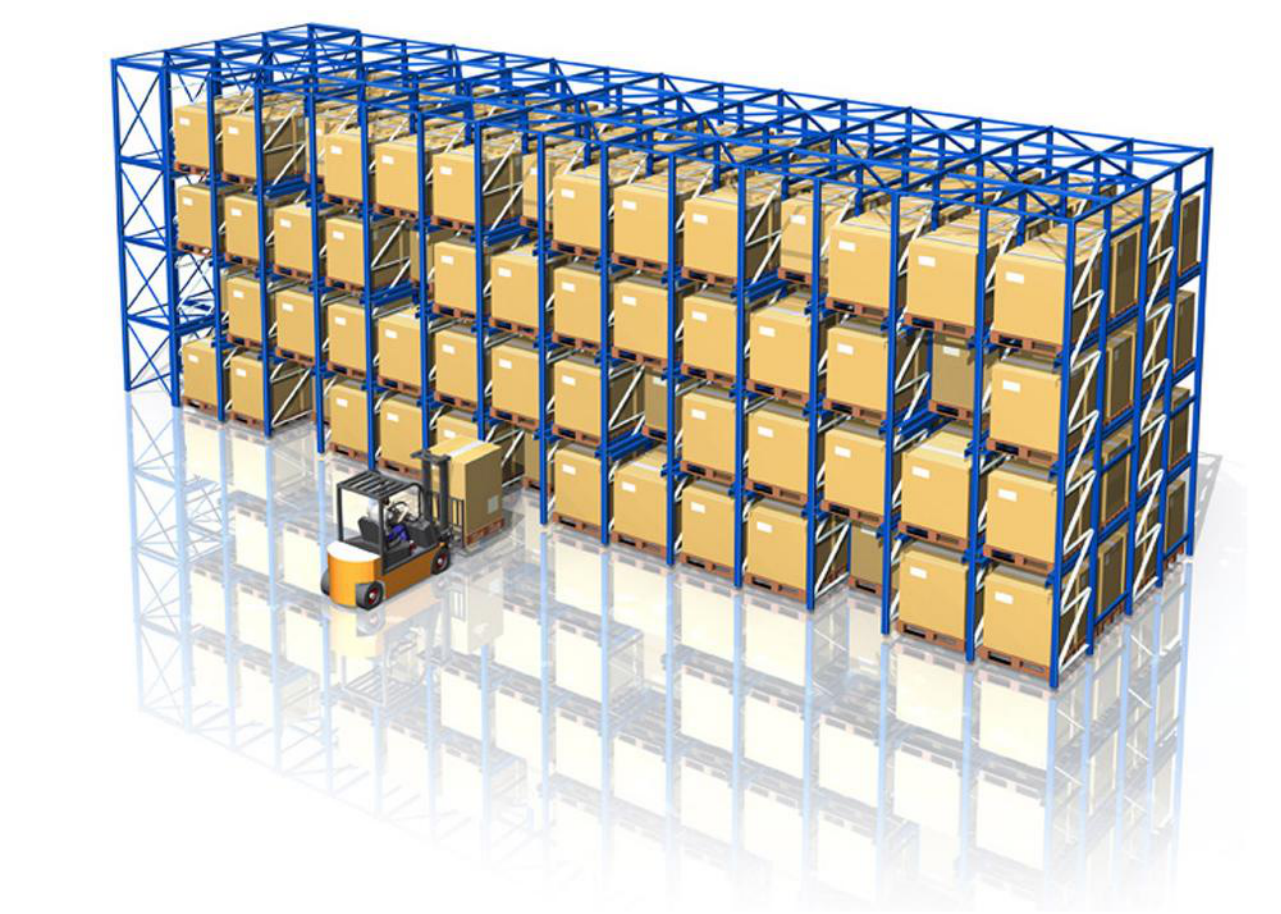
Auto Storage & Retrieval system (ASRS)
High reach Truck
Racking systems
One of the crucial mistakes that any pharmaceutical company can make while enhancing the plant capacity is by not enhancing the material handling system. Generally, investors and stakeholders prefer to invest in high capacity machine during the capex phase of the project with a plan to expand the production by running the facility in multiple shifts and utilizing the production machines to maximum extend. However, for plant to run efficiently the auxiliary processes like Raw material storage, finished good storage as well as material handling system to provide right feed to processing equipment need a closer look and right balancing in order to not create a bottleneck situation. The enhancement in material handling system may include the following :
Increasing the number of material handling equipment like IBCs
Optimizing the use of material handling equipment
Increasing the capacity of conveyors, pallets etc.
Modifying the existing system designs so to cater localized need of the plant.
Improvement in SOP of cleaning by adopting sanitary designed equipment
As companies grow in sales, the focus shifts to maintaining high inventory turnover ratio. For finished good warehouse this is achievable by increasing the dispatch and streamlining the downstream supply chain with the help of 3PL players. However, this puts stress on the Raw material warehouse as sampling, testing, and dispensing is standard process with defined time. Hence, to achieve higher output it is important to analyze all links in the network to reduce not have a weakest link that can break the chain. A holistic approach towards project investment decisions is, thus, an important aspect.
Overall equipment effectiveness is a standard for measuring productivity in any manufacturing plant. It identifies the percentage of manufacturing time that is truly productive. It helps in identifying bottlenecks in manufacturing chain thereby providing insights on further improvement to produce quality goods as fast as possible with no stop time of machine.
OEE = A x P x Q
Where:
A = Availability = Run time / Planned production time
P = Performance = (Ideal cycle time x total count) / Run time
Q = Quality = Good count / total count
The balancing act to increase OEE to a satisfactory level is very important.
Week 1
Week 2
OEE
80.35%
81.23%
Availability
85.00%
90.00%
Performance
95.00%
95.00%
Quality
99.50%
95.00%
Companies would not want to increase Availability by 5.0% at the expense of decreasing Quality by 4.5%.
An average manufacturing facility, the OEE of a process equipment varies from 25 to 60% despite having good branded machines & good operating personnel. This means that there is inefficiency in the system from 40 % to 75% at various operations. If this is the case with you, then one of the reasons could be material handling system and it is time to review your material handling system once again to improve your equipment OEE effectively. Though the entire inefficiency can not be attributed to material handling alone.
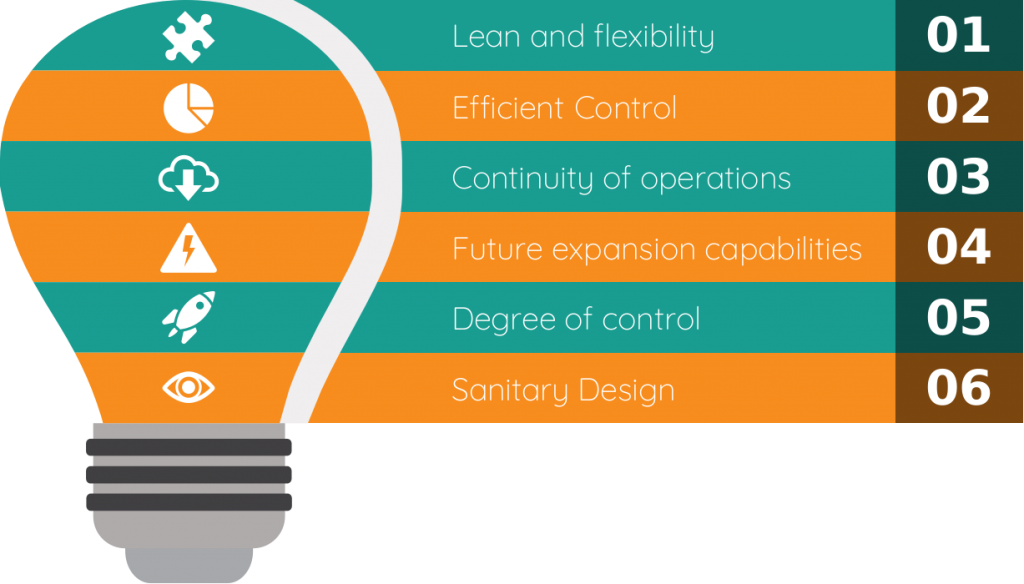
Some of the desirable characteristics of Efficient Material handling systems are:
Lean and flexibility: The lean and flexible systems can improve workable area, capacity expansion and ease of handling material with different specifications
Efficient operations and control
Continuity of operations
Future expansion capabilities
Degree of control
Sanitary Design: Ease of cleaning and maintenance
Some of the examples of inefficient material handling could be as below:
Materials are observed on floors of processing area due to spillage or uncontrolled transfer.
Quality defects in product due to improper loading /unloading or storage.
Manual transferring of samples and documents.
Operator spending more time on material handling thereby effectively losing control on machine parameters and slowing down the machine
Loading/ unloading held due to unavailability of material handling system.
Due to poor quality, mobility devices are under break down very often.
Change parts / tools are not retrieved on time when required and operator search the facility.
With greater focus on the material handling, all material handling in the facility should be mapped to understand the real issue at every stage. With assistance of today’s technology, the handling system could be improved for bringing efficiency to plant. Some of the things that you may review before selecting a material handling system/equipment are as following.
Losses of material during handling could be in granulation, compression or blending
Washing/cleaning time for product contact parts. (ready to take next batch)
Toolless construction for product contact parts for easy dismantling & assembling.
Mobility systems are reliable.
RFID tagging of screens/tools
Fast loading & unloading without quality issue
Effective storage & retrieval system
How to reduce mobility distance
Human quest for improvement has no boundary or limits and try to benchmark for betterment ever. Improving the material handling system could effectively improve the yield and OEE thereby decreasing the per thousand processing cost. Moreover, it will enhance better GMP and safety practices in the facility.
Start Quiz →
What brings you to Pharma Access?
Choose what you're looking for and we'll take you to the right place.