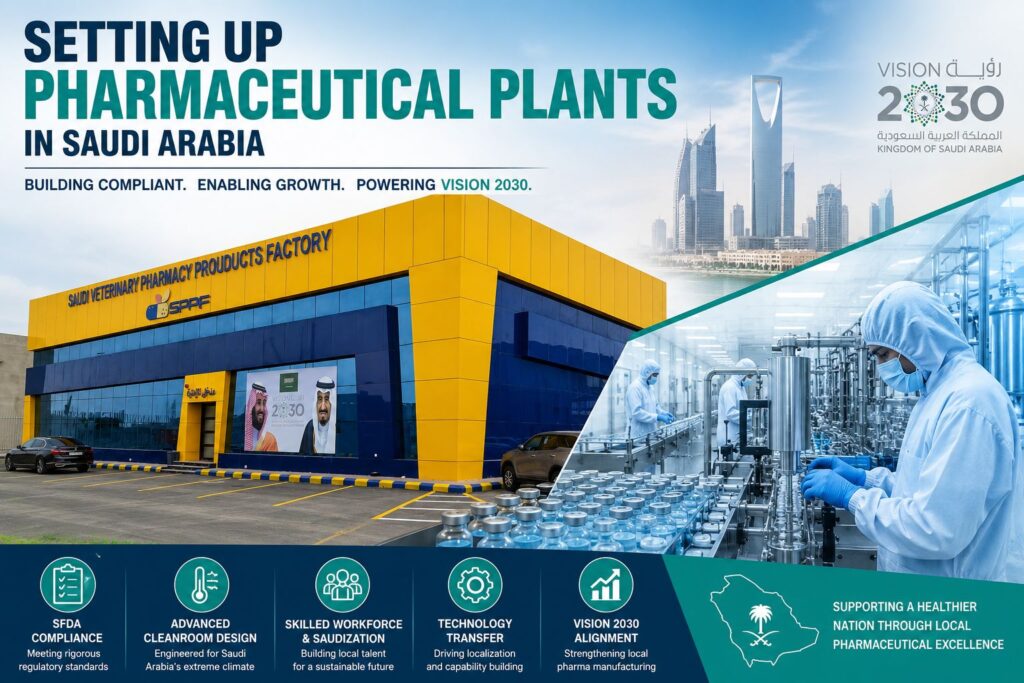
Saudi Arabia boasts the largest pharmaceutical market in the Middle East and North Africa region. Despite this, the Kingdom imports most of its medicines. All that is set to change – Vision 2030 is striving to localize pharmaceutical production. Saudi Arabia wants to increase local pharmaceutical manufacturing from an estimated 20% to 40% of the market supply. To support local production, the Kingdom allocated USD 65 billion to improve its healthcare system.
This signals a significant and urgent opportunity for business. However, there are some significant and urgent challenges any business will face when constructing a pharmaceutical plant in Saudi Arabia. Here are some things to know beforehand.
The Regulatory Hurdle: SFDA Compliance Is Demanding
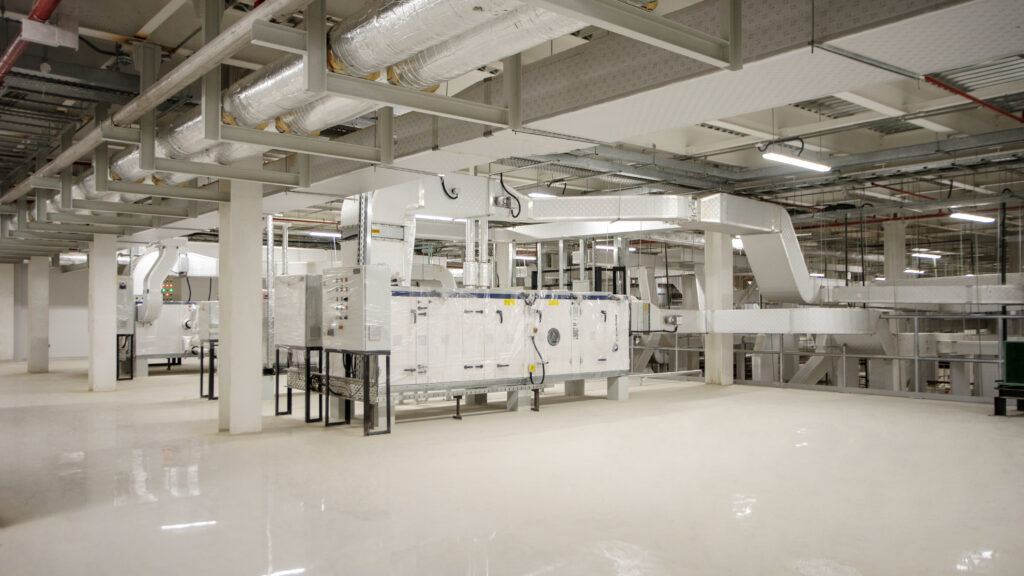
The first hurdle that greets any plant developer is the Saudi Food and Drug Authority (SFDA). Created in 2003 it regulates drug registration, pricing, manufacturing licenses, facility inspections and key stages of the pharmaceutical value chain, from API production to distribution. Manufacturers must adhere to GMP rules based on WHO and PIC/S guidance. The SFDA will perform its own inspections as needed but may accept certification by another trusted regulatory body. Drug registration is completed through the Drug Registration System via the Common Technical Document (CTD) format and follows ICH guidelines. Products cannot be sold without valid approval from the SFDA.
This is typically the step that creates delays for many projects. The approval process is lengthy if you’re submitting a new product or generic to enter the market for the first time. Requirements for API manufacture are extensive and variations between Saudi local norms vs. international expectations create gaps that slow down product approval timing.
As of January 2025, SFDA has made new economic evaluation requirements applicable. Full economic evaluations were enforced starting July of 2025. Essentially this requires manufacturers to produce clinical and economic data relevant to the Saudi population in support of your submission. This factor alone significantly increases both cost and timing for getting a new build facility ready for market.
The easiest way to overcome these challenges is by partnering with knowledgeable pharma GMP consulting experts in Saudi Arabia at the outset of your project, not after construction has completed.
Cleanroom Design in a Desert Climate
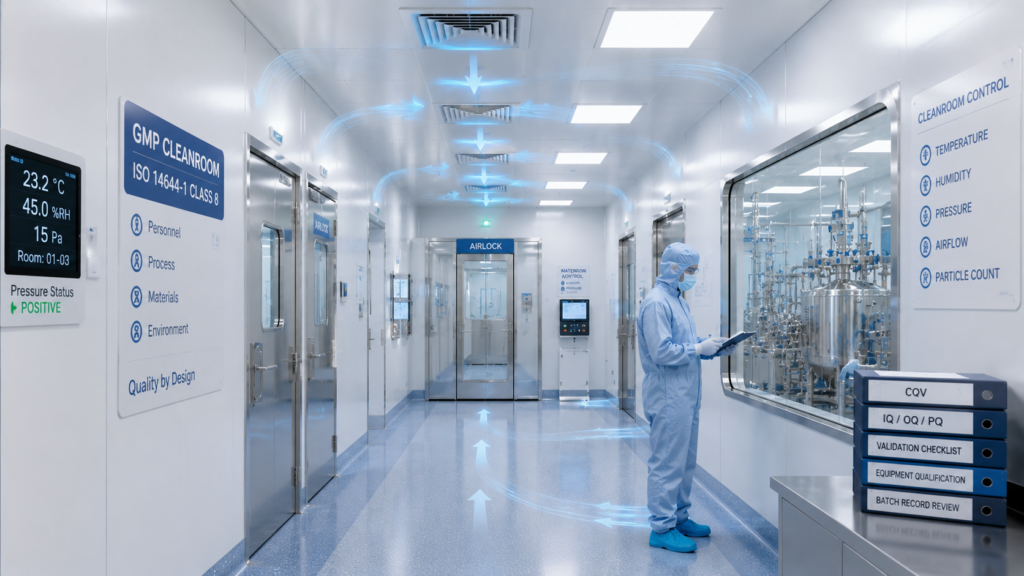
Pharma manufacturing by its nature is conducted in highly controlled environments. Oral solid dosage, sterile injectable and biologics cleanrooms run precise temperature, humidity and particulate controls 24/7.
That’s easy to say, but Saudi Arabia is hot, with summer temperatures often reaching above 45°C and windy. Sand and dust are a year-round contamination concern. HVAC engineers building pharmaceutical facilities in Saudi Arabia have some of the toughest make-up air conditions in the world. They are managing extreme heat, dust exposure, and demanding outdoor air conditions while trying to maintain ISO room pressurization, air change per hour (ACH) rates and temperature ranges.
There are pharmaceutical specific manufacturing districts being built by MODON (Saudi Authority for Industrial Cities and Technology Zones) with full infrastructure; cleanroom facilities, QA labs, warehousing designed to support international GMP expectations. The MEP design and engineering of these facilities is up to the individual project teams.
Specification of the correct cleanroom materials, AHUs and redundant systems should be engineered by a team with experience in the region. region-specific HVAC, filtration, and GMP design expertise.
Sourcing Qualified Contractors and Skilled Workforce
Saudi Arabia enforces a Saudization mandate (locally known as Nitaqat), which specifies minimum percentages of Saudi nationals that make up the workforce of any company. Pharmaceutical manufacturing requires specialist knowledge at all levels, from process engineers and validation specialists down to QC analysts and cleanroom technicians. The challenge of finding qualified Saudi nationals to staff these roles is very real, and programs to train people up will take time.
Similarly, recruiting and keeping international pharma engineers with experience in plant setup projects is not without its challenges of work visas, expat housing, and project timelines.
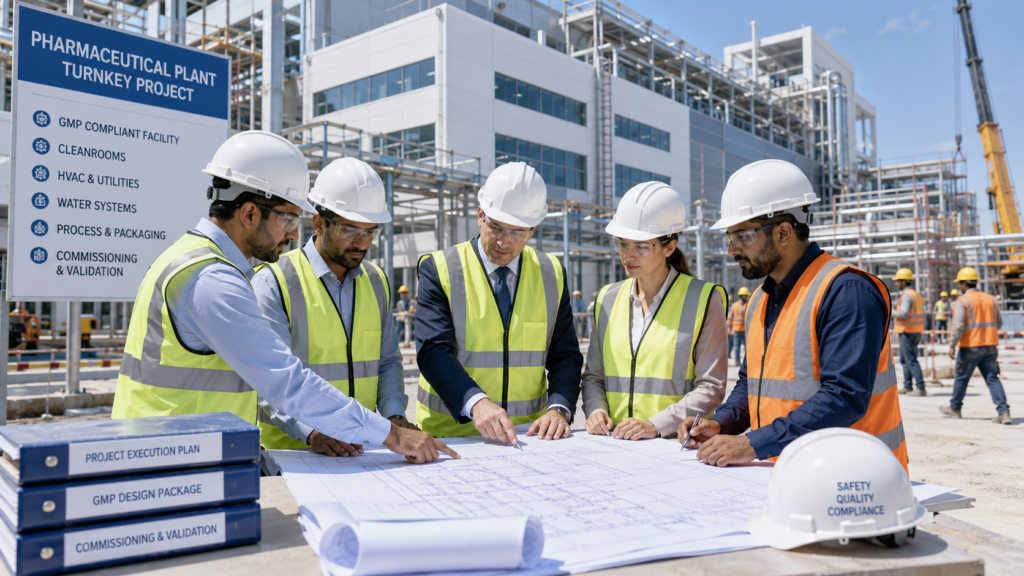
The local contractor market for pharma-ready construction is also somewhat shallow compared to seasoned manufacturing destinations like India or Europe. While there are vendors familiar with cleanroom panel systems, pharma HVAC specs, GMP documentation requirements, etc., picking the right ones and managing the supply chain demands competent project management from teams with pharma-sector experience.
Partnering with a Saudi Arabia-focused pharma turnkey solutions provider early, before the process of contractor selection begins, allows the project team to qualify local vendors, determine gap areas, and plan for technology transfer where necessary.
Technology Transfer and Local Content Requirements
Vision 2030 doesn’t just want pharmaceutical plants constructed in Saudi Arabia. Vision 2030 wants technology transfer, localization of capabilities, and contributions to long-term national self-sufficiency. This places tremendous pressure on foreign investors and international manufacturers to shape joint ventures, training programs, and procurements through local suppliers.
The National Unified Procurement Company, or NUPCO, has been a dominating force in the Saudi Pharma supply chain since 2009. The government conglomerate currently holds procurement sway over much of the public sector. Finding product pipeline alignment with NUPCO’s procurement needs is a strategic move that should be decided upon well before your plant is registered, not after.
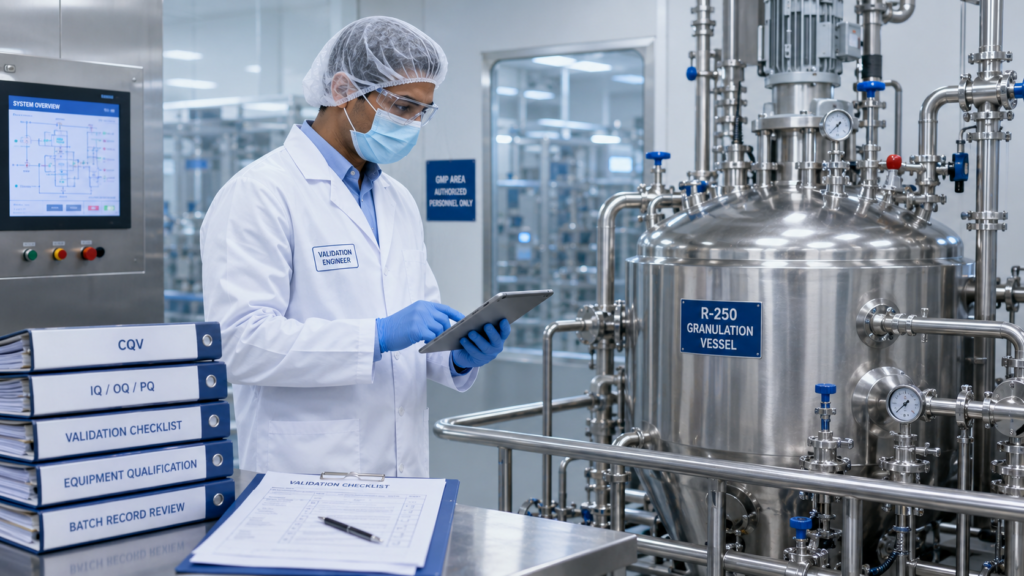
Technology transfer considerations for biologics and vaccine manufacturers will be even more nuanced. The domestic manufacturing capability for biologics within the Kingdom is currently still developing compared with mature global manufacturing hubs. Vision 2030 has publicly made this sector a target for growth. The KSA has taken action through the launch of the Saudi Vaccine and Biologics Manufacturing Company, as well as international partnerships with CDMOs. Investors looking to break into this sector should expect a longer timeline and more intricate technical transfer process.
Infrastructure and Site Selection Constraints
Site selection is typically driven by the availability of land. Facility viability is impacted by reliable water sources, stable power grids, logistical access and access to cold-chain infrastructure. Saudi Arabia has several industrial cities with robust infrastructure, logistical network and municipality utilities supported by MODON. Sudair, around 120 kilometres north of Riyadh is one such city. It is emerging as an important location for pharma-grade manufacturing facilities.
The timeline to market for a vaccine or injectable manufacturing plant in Saudi Arabia is generally between 24-36 months. This includes time to select a site, complete design, construct and validate the facility. Each step in the process has its own potential setbacks be it delayed regulatory approval, construction delays, or commissioning delays of machinery and equipment. These setbacks are cumulative and impact the total project costs as well as time to revenue.
Pharma turnkey solution contracts are becoming more popular in Saudi Arabia. This methodology uses one team to design, procure, construct and commission the facility under one contract.
GMP Documentation and Validation
Constructing a pharma plant is only part of the equation. Before that first production batch rolls off line at a Saudi plant, the facility itself must pass SFDA GMP inspection, and every process system from HVAC to water for injection to process equipment must be qualified and validated according to defined criteria and procedures.
The SFDA has been enhancing its pharmacovigilance capabilities in recent years, as well as putting into place risk-based inspection frameworks. It has also increased the number of GMP inspectors qualified to inspect both local and foreign facilities. The country became a member of the Pharmaceutical Inspection Co-operation Scheme, or PIC/S, in 2023, strengthening alignment with international inspection standards.
That means documentation requirements are increasing. URSs, FAT, IQ, OQ, and PQ protocols must all be created, executed, and archived in a manner that passes SFDA muster. Incomplete documentation is one of the most frequent causes for inspection delays.
Pharma Access (pharmaaccess.net) provides Commissioning, Qualification, and Validation (CQV) as part of its portfolio of pharma turnkey engineering services. Incorporating that knowledge into the project plan from day one eliminates the expensive remediation that comes from approaching validation as a step to be considered at the end of construction.
Bringing It Together: What Successful Projects Have in Common
Projects that are delivered on time and pass SFDA inspection “right of first review” tend to have a couple things in common. They hire pharma consulting Saudi Arabia and pharmaceutical engineering services Saudi Arabia early. They select pharma turnkey solutions partners with actual GMP facility experience in-country. They approach regulatory strategy, cleanroom design, and workforce development as integrated efforts.
Pharma Access has 25+ years of experience completing projects in 18+ countries, including experience in the MENA region. With experts in Pharma engineering design, design/build, project management, and CQV, Pharma Access has what it takes to assist your company’s next pharmaceutical manufacturing investment in Saudi Arabia.
There is a real opportunity in Saudi Arabia. So are the challenges that must be addressed with the right expertise. However, with the right team advising you day one, the difference between a streamlined project versus one that costs you time and money becomes self-evident.
FAQs
Q1: What regulatory approval is needed to manufacture pharmaceuticals in Saudi Arabia?
Any pharmaceutical manufacturer operating in Saudi Arabia must obtain a manufacturing license from the Saudi Food and Drug Authority (SFDA). Products must also be registered using the CTD format through the SFDA’s Drug Registration System. Manufacturers must meet GMP guidelines based on WHO and PIC/S standards, and be prepared for SFDA facility inspections before and after commercial operations begin.
Q2: How long does it take to set up a pharmaceutical manufacturing facility in Saudi Arabia?
A typical pharmaceutical manufacturing facility in Saudi Arabia, from site acquisition through design, construction, and validation, takes approximately two to three years to complete. Biologics and sterile injectable facilities may take longer due to greater technical complexity and more demanding qualification requirements. Early planning and experienced project teams reduce the risk of delays.
Q3: What are the cleanroom design challenges specific to Saudi Arabia?
Saudi Arabia’s extreme summer heat and persistent desert dust create demanding conditions for cleanroom HVAC systems. Air handling units must maintain GMP-compliant temperature, humidity, and pressure conditions while working against outdoor ambient temperatures exceeding 45°C. Redundant systems and robust filter management are not optional in this climate.
Q4: Does Vision 2030 offer any benefits for pharmaceutical manufacturers in Saudi Arabia?
Vision 2030 supports pharmaceutical manufacturers through incentives including streamlined approvals for locally produced products, tax and customs exemptions in some cases, and access to MODON-administered industrial zones with purpose-built GMP infrastructure. The program actively encourages technology transfer, joint ventures, and local workforce development, creating a range of partnership opportunities for international manufacturers.
Q5: Why should I use a pharma turnkey solutions partner for a Saudi Arabia project?
A pharma turnkey solutions Saudi Arabia partner manages engineering design, procurement, construction, and commissioning as one coordinated effort. This reduces interface risk between contractors, keeps documentation aligned with SFDA requirements throughout the project, and brings specialized GMP and cleanroom design experience that generalist construction firms do not have. It also puts responsibility for delivery on one accountable team.