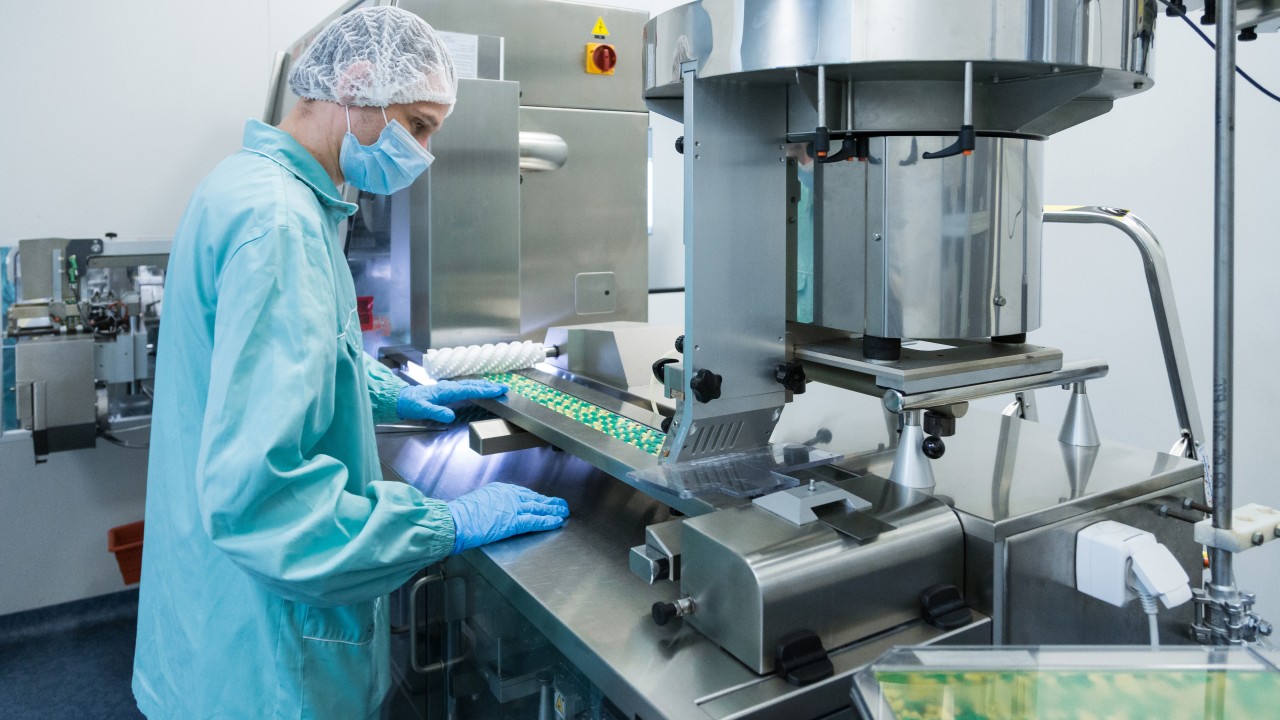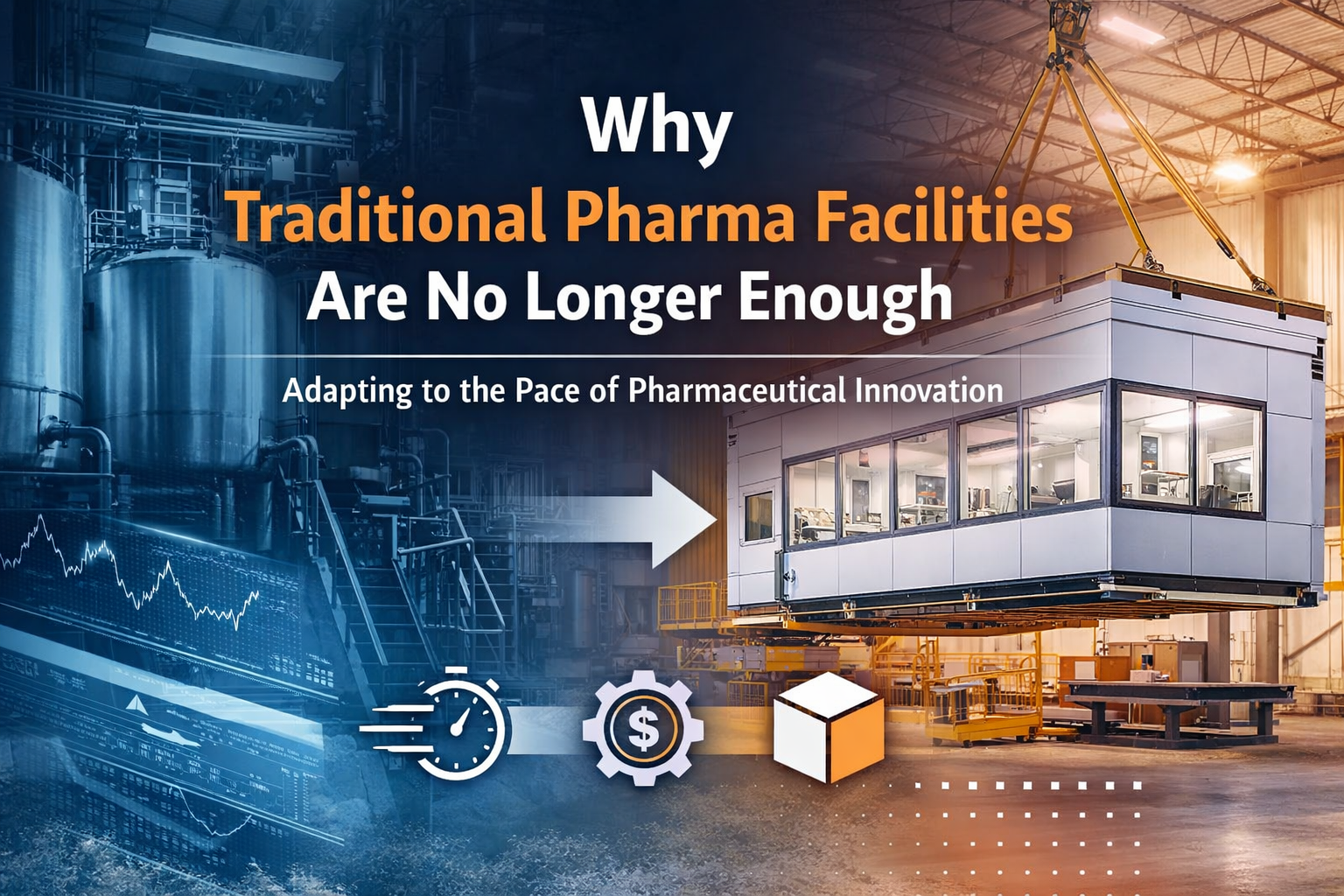
Smarter Pharma Facilities: Lean, Flexible, and Built for the Future

Smarter Pharma Facilities: Lean, Flexible, and Built for the Future

Pharma manufacturers today operate in one of the most demanding business environments. Every strategic decision is shaped by two critical performance indicators: Cost Per Thousand units (CPT) and Overall Equipment Effectiveness (OEE). These ultimately define profitability and operational efficiency in modern pharma facility design.

The challenge is that the market does not wait. It expects higher quality, lower costs, and faster delivery, all while avoiding excess inventory. Demand patterns swing drastically. A product may require a very small batch one month and massive volumes the next.

This unpredictability creates a dilemma. Adding more equipment may seem like an easy solution, but it lowers OEE and increases depreciation directly impacting profitability. On the other hand, under-preparedness risks delays, compliance pressure, and lost market opportunities.

This is why pharma manufacturing facilities must evolve. They need to be lean enough to minimize waste and capital burden, yet flexible enough to adapt to demand shifts without compromising quality- a core principle of lean pharma manufacturing.

To overcome these challenges, modern pharma facilities should be designed with the following four aspects in mind:

  • Building Facility Lean
  • Equipment Selection with Flexibility
  • Single-use Systems
  • Automation and Industry 4.0

1. Building a Lean Pharma Facility

Quality is simply conformance to requirements. A lean pharma facility must be compact, focused, and designed with both capital investment and operating costs in mind. This is the foundation of effective pharma turnkey solutions.

Facilities should be planned with at least 10 years of visibility, as regulatory requirements, customer expectations, and processing technologies evolve rapidly. Without this foresight, organizations risk costly revamps far sooner than anticipated.

Key principles of lean facility design include:

  • Keeping facilities compact and requirement-driven to control both capital expenditure and operating expenses
  • Focusing on core manufacturing activities while outsourcing non-core functions such as warehousing, pharma engineering services, and selected quality activities to reduce total cost of ownership (TCO)
  • Placing only essential equipment inside cleanrooms and shifting support equipment to service areas to minimize cleanroom footprint and operating costs
  • Challenging design tolerances wherever possible reducing unnecessary overengineering (for example, tighter tolerances beyond ±2%) directly lowers capital and lifecycle costs

A lean facility design reduces depreciation impact, improves OEE, and helps manufacturers keep CPT competitive in a dynamic and unpredictable market.

Article content

2. Flexible Equipment Selection for Variable Batch Sizes

Variation in batch size is one of the biggest operational challenges in pharmaceutical manufacturing. Very small production runs and large-scale volumes cannot be efficiently addressed by simply adding more equipment, as this approach reduces OEE and increases depreciation.

Instead, manufacturers should focus on flexible equipment strategies, including:

  • Selecting equipment capable of efficiently handling both small and large batch sizes
  • Prioritizing shorter changeover times to improve operational efficiency without compromising quality or compliance
  • Investing only in essential options initially, while keeping the ability to scale or upgrade as product and market needs evolve
  • Evaluating equipment not just on output capacity and cost, but also on flexibility, reliability, and quality performance

Flexible equipment enables pharma manufacturers to remain agile, respond to demand fluctuations, and align capital investment with actual business needs.

3. Single-Use Systems in Modern Pharma Facilities

Single-use systems have transformed how pharmaceutical facilities are designed and operated, especially in environments where product changeovers, batch variability, and contamination control are critical.

Traditional stainless-steel systems demand extensive cleaning, validation, and downtime. In contrast, single-use technologies significantly reduce these burdens while improving operational flexibility.

Key advantages of single-use systems include:

  • Eliminating cleaning-in-place (CIP) and sterilization-in-place (SIP) requirements, resulting in faster changeovers and higher equipment availability
  • Reducing cross-contamination risks, which enhances product quality and regulatory confidence
  • Enabling rapid scale-up or scale-down without major capital investment
  • Lowering water, energy, and utility consumption, supporting both cost reduction and sustainability goals

Single-use systems are particularly effective for multi-product facilities, clinical manufacturing, and operations with highly variable demand. When applied strategically, they help manufacturers improve OEE while keeping capital expenditure aligned with real production needs.

4. Automation and Industry 4.0 in Pharma Manufacturing

Automation and Industry 4.0 are no longer optional upgrades they are foundational elements of future-ready pharma facilities. When implemented correctly, automation improves consistency, compliance, and operational visibility across the manufacturing lifecycle.

Modern automation strategies go beyond basic control systems. They integrate data, equipment, and people to enable smarter decision-making through pharma automation solutions.

Core benefits of automation and Industry 4.0 include:

  • Reducing manual interventions, thereby minimizing human error and improving batch consistency
  • Enabling real-time monitoring of critical process parameters, equipment performance, and quality attributes
  • Improving OEE through predictive maintenance and data-driven performance optimization
  • Strengthening data integrity and compliance with regulatory expectations such as ALCOA+ principles

A key consideration is scalability. Automation systems should be designed in modular layers, allowing facilities to start with essential controls and expand toward advanced analytics, digital twins, and artificial intelligence as maturity increases.

When aligned with lean facility design and flexible equipment strategies, automation becomes a powerful enabler of efficiency rather than an added cost burden.

Where Pharma Access Fits In

At Pharma Access, we help manufacturers design and build pharma facilities that are lean, flexible, and future-ready. From smart equipment selection and modular facility concepts to Industry 4.0 enabled solutions, we support our clients in reducing costs, improving OEE, and maintaining long-term regulatory compliance.

In today’s pharmaceutical industry, success is not about building bigger facilities it is about building smarter, faster, and more adaptable operations.

And that is exactly what we deliver.

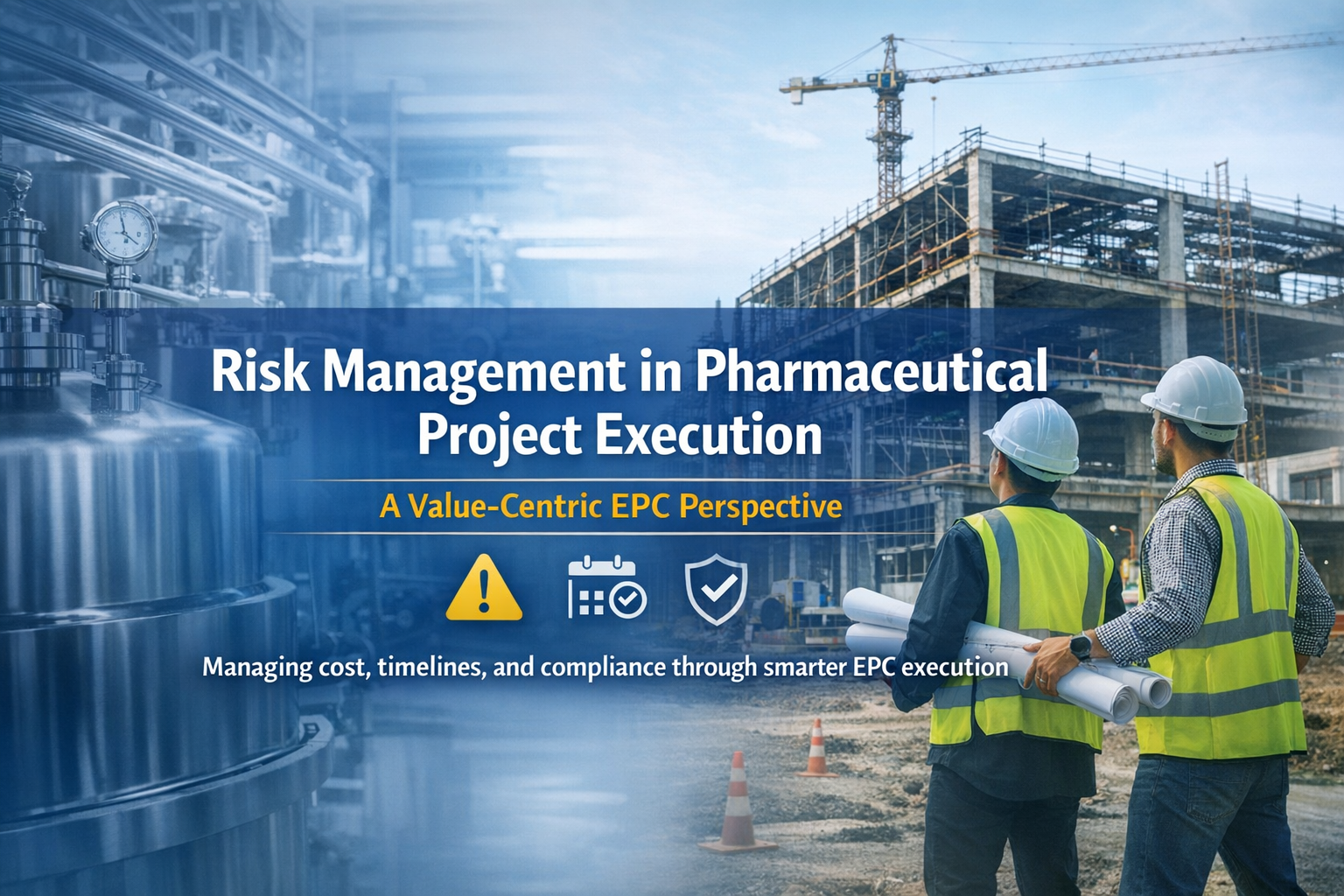
Risk Management in Pharmaceutical Project Execution: A Value-Centric EPC Perspective

Risk Management in Pharmaceutical Project Execution: A Value-Centric EPC Perspective

Pharmaceutical project execution is fundamentally different from conventional industrial projects. The risks involved go far beyond cost overruns or schedule delays. They directly affect regulatory compliance, validation success, audit outcomes, and time to market.

For decision-makers, the real challenge is not identifying risks. It is anticipating where they originate and preventing them early, before they surface during commissioning or regulatory inspections. This requires a structured, lifecycle-driven approach to risk management that is embedded into pharmaceutical engineering, installation, system integration, and qualification.

Why Risk Management Must Start Early in Pharma Projects

In many pharmaceutical projects, risks become visible only at the later stages. Delays during commissioning, repeated qualification failures, or audit observations often trace back to decisions made during concept design, vendor selection, or installation planning.

A value-centric risk management approach focuses on front-loading critical decisions. When risks are addressed early, projects benefit from smoother execution, predictable timelines, and reduced lifecycle cost. When risks are addressed late, corrective actions become expensive and disruptive.

Regulatory and Compliance Risk: From Guidelines to Readiness

Regulatory compliance is not achieved by meeting guidelines alone. It is achieved by ensuring that a facility is validation-ready and audit-ready at every stage of execution.

Common compliance risks include:

  • Facilities designed without clear validation logic
  • GMP and non-GMP areas not clearly segregated
  • HVAC and cleanroom systems not aligned with contamination control strategies
  • Gaps in documentation traceability across engineering and qualification phases
  • Late design changes that impact validated systems

The value lies in designing for compliance, not correcting for it later. Integrating GMP principles, validation requirements, and audit expectations at the concept and basic engineering stages significantly reduces the risk of regulatory surprises during qualification or inspections.

Design and Engineering Risk: Decisions That Shape the Entire Lifecycle

In pharmaceutical projects, design-related risks have a cascading effect. A small oversight at the engineering stage can result in installation challenges, rework, delayed qualification, and extended validation timelines.

Key design risks include:

  • Incomplete or evolving User Requirement Specifications
  • Misalignment between process equipment and utility capacities
  • Insufficient consideration for maintenance, access, and future expansion
  • Lack of coordination between disciplines

A value-driven EPC approach mitigates these risks through multidisciplinary coordination, structured design reviews, and constructability assessments. This ensures that engineering decisions support not only execution, but also long-term operational reliability and compliance.

Installation and System Integration Risk: Where Execution Truly Matters

Installation and system integration are the phases where engineering intent becomes operational reality. In pharmaceutical facilities, this involves close coordination between process equipment, utilities, HVAC systems, cleanrooms, automation, and monitoring systems.

Risks commonly arise from:

  • Poor sequencing between equipment installation and utility readiness
  • Interface mismatches between vendor-supplied systems
  • Inadequate contamination control during installation
  • Late design clarifications affecting installed systems
  • Safety incidents impacting productivity and compliance

The value lies in disciplined installation sequencing and interface management. When installation is planned with commissioning and qualification in mind, downstream disruptions are minimized, and systems are handed over in a state that supports smooth CQV execution.

Vendor and Supply Chain Risk: Beyond Cost and Delivery

Pharmaceutical projects rely heavily on specialized vendors. Selecting vendors based only on price or delivery timelines introduces significant risk.

Common vendor-related risks include:

  • Incomplete or inconsistent FAT and SAT documentation
  • Equipment not aligned with qualification protocols
  • Delays caused by logistics or regulatory documentation gaps
  • Variability in documentation formats across suppliers

Risk mitigation requires vendor qualification, documentation standardization, and proactive expediting. When procurement decisions are aligned with CQV and validation needs, projects avoid last-minute delays and rework.

Commissioning, Qualification, and Validation Risk: The Point of Truth

The commissioning and qualification phase are where accumulated risks surface. Delays here are rarely isolated incidents. They are often the result of earlier gaps in planning, execution, or documentation.

Common CQV risks include:

  • Incomplete installation verification
  • Equipment not installed as per approved drawings
  • Unclear ownership of qualification activities
  • Limited client readiness for validation execution

The value-centric approach is to plan CQV from day one. Clear protocols, defined responsibilities, and aligned documentation workflows ensure that qualification progresses smoothly rather than becoming a bottleneck.

Digital and Data Integrity Risk: Enabling Reliability, Not Complexity

Digital systems play an increasing role in modern pharmaceutical facilities. However, they also introduce new risks if not implemented within a GMP-compliant framework.

Risks include:

  • Unvalidated digital tools
  • Weak access control and audit trails
  • Poor integration between automation, monitoring, and quality systems

When implemented correctly, digital tools such as IoT-enabled monitoring and analytics support predictive maintenance, equipment reliability, and controlled data management. Their value lies in enabling proactive decision-making without compromising compliance.

Integrated EPC Execution: Turning Risk into Predictability

Risk mitigation in pharmaceutical projects is most effective when single-point accountability exists across engineering, procurement, installation, system integration, and qualification. Fragmented responsibility often leads to misalignment, delayed decisions, and compliance gaps.

An EPC-led turnkey execution model delivers value by:

  • Integrating GMP and validation requirements early
  • Coordinating multiple vendors and systems seamlessly
  • Managing interfaces and change control proactively
  • Delivering facilities that are audit-ready at handover

This integrated approach transforms risk management from reactive problem-solving into predictable project execution.

Conclusion: Risk Management as a Business Advantage

Risk cannot be eliminated from pharmaceutical project execution. However, it can be anticipated, managed, and significantly reduced through disciplined planning and integrated execution.

Organizations that adopt a lifecycle-driven approach to risk management benefit from faster commissioning, smoother qualification, lower lifecycle costs, and greater regulatory confidence. More importantly, they gain predictability in an environment where uncertainty directly impacts business outcomes and patient access.

In pharmaceutical projects, effective risk management is not an operational safeguard. It is a strategic advantage.

Good Manufacturing Practices: Sterile & Aseptic Processing

Whenever we talk about a greenfield pharma facility, GMP and its compliance have always been in discussion. Taking the proper steps to comply with current good manufacturing practices (cGMPs) for aseptic and sterile processing in an efficient and effective manner is necessary for pharmaceutical manufacturing facilities and labs. Today, as regulatory expectations evolve and technologies advance, staying aligned with modern interpretations of cGMP guidelines is more critical than ever. This article throws light on how small to mid-sized manufacturing facilities can achieve compliance by adopting simple, cost-effective methods.

Why is compliance to cGMP so important?

While practicing GMPs ensures a safe, efficacious, and high-quality product that protects the end-user — the patient — it also ensures that the risk of contaminating the product is reduced or detected and controlled quickly. This, in turn:

  • Maximizing operational efficiency
  • Eliminating wastes
  • Improving organization’s bottom line

STERILE & ASEPTIC PROCESSING

With the latest CGMP guidelines emphasizing risk-based approaches and data integrity, staying compliant also means staying competitive.

What equipment does the facility rely on when coordinating aseptic/sterile processing activities?

Many alternative automated methods can replace traditional approaches that pose a risk of non-compliance with GMPs. As far as possible, equipment fittings and services should be designed and installed so that operations, maintenance, and repairs can be carried out outside the clean area. Equipment that must be taken apart for maintenance should be re-sterilized after complete reassembly, wherever possible.

Today, smart sensors, AI-enabled monitoring systems, and integration with building automation systems (BAS) have become integral to achieving real-time GMP compliance. These are especially relevant in pharmaceutical engineering where efficiency, safety, and traceability are crucial.

What are the best practices for manufacturers to improve/enhance their aseptic/sterile processing activities?

A further way of enhancing aseptic/sterile processing is to reduce risk through automation. A particularly critical unit operation during biomanufacturing is the final filling of the drug product. To this end, equipment such as an automated vial filler and capping unit could be used to provide an aseptic environment and control of process steps.

Day-to-day improvements to workflows are easily achievable through implementing more automation in the microbiological quality control lab. This speeds the time to result of many assays, creating higher throughput in the lab’s general operation. It also reduces staff stress and anxiety by minimizing the chances of error, the need for retests, and the potential burden of performing investigations for root cause. These factors alone can greatly improve the overall value, utility, and employee satisfaction in an organization.

With shift toward Industry 4.0, integration of digital twins and modular automation is becoming the gold standard for aseptic processing. EPC companies with domain expertise are leading the way in helping manufacturers embed these innovations effectively.

How can Pharma Access help new organizations (e.g., small start-ups), specifically on how to practice and comply with GMPs?

Startup organizations often mistakenly feel they don’t have the expertise or capacity to implement rapid methods in the beginning and rely on the comfort of traditional methods. However, they fail to realize that as a startup, they have the perfect opportunity to innovate and use modern methods right from the start, rather than try to overcome inertia later. Investing time to gain the knowledge and experience of using the best available methods early on will set up startups for success in the long term.

Using rapid, alternative methods not only ensures GMP compliance from day one, but also ensures successful business operations by optimizing production, improving product quality, and reducing risks.

For new companies, there are a number of ways to comply with GMP regulations. The increasing use of pre-sterilized systems such as single-use assemblies offers several advantages:

  • No cleaning validation
  • Easy product changeover (ideal for multi-product facilities)
  • No risk of cross-contamination

Additionally, digitized validation protocols, paperless documentation systems, and centralized compliance dashboards are reshaping how startups handle CGMP requirements.

Working with a reliable and trusted partner like Pharma Access — with a deep understanding of pharmaceutical engineering and experience in engineering consulting — ensures that revalidated components are easily incorporated into processes. We also provide effective support and verification of your supply chain.

At Pharma Access, we bring deep expertise in GMP compliance documentation, supporting both greenfield and brownfield pharmaceutical projects. As an experienced EPC partner, we work closely with you to design and build facilities that are compliant, efficient, and ready for future growth.

Reach out to us at sales@pharmaaccess.net or visit www.pharmaaccess.net to learn how we can support your next project.

Achieving Sustainability Through Zero Leakages in Manufacturing Facilities

Leakages in a manufacturing facility are more than just a minor inconvenience—they can lead to significant financial losses, environmental concerns, and operational inefficiencies. For industries like pharmaceuticals, where precision and efficiency are paramount, eliminating leakages is not just a goal but a necessity for sustainable operations. Leading pharmaceutical consulting companies emphasize the importance of a well-engineered facility to minimize such risks and ensure long-term efficiency.

The Impact of Leakages on Sustainability

Leakages can drain resources and contribute to environmental pollution, making sustainability efforts difficult. While companies often focus on reducing accidents to zero, achieving zero leakages is equally possible with strong leadership commitment. An effective zero-leakage facility provides multiple benefits, including:
Material Conservation – Reducing waste and optimizing resource usage.
Emission Control – Minimizing pollutants released into the environment
Pollution Reduction – Ensuring cleaner air and water.
Fire and Explosion Prevention – Mitigating safety hazards linked to gas and steam leaks.
Increased Productivity – Preventing disruptions and improving overall efficiency.
Reduced Forced Shutdowns – Avoiding production halts due to system failures.
Lower Batch and Cycle Time – Enhancing process efficiency.
Improved Workplace Environment – Eliminating unwanted odors and noise pollution.

The Hidden Costs of Leakages in Pharmaceutical Facilities

In context of Pharmaceutical industries, most leakages are often observed in compressed air, steam, laboratory gases in good maintained facility and these are very costly utility every facility uses. Study suggest that in average a facility encounters about 200 leakages in a year which can be segregated as following.

A common leakage observed in almost all pharma facility is compressed air from valve spindles, pipes, welding, temporary joints, PU tube connection etc. accompanied by irritating hissing noise.

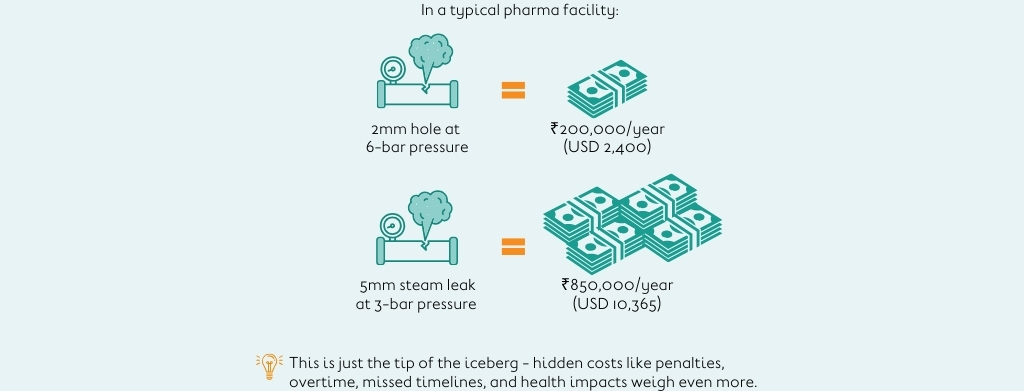
A 2mm hole at 6 bar pressure can cost a facility above Rs200,000/ year. (USD2400/ year). Similarly, a with a 5mm leakage on steam line with 3 bar g operating pressure can emit 23.67 kgs/hr. steam which could cost annually about Rs 850,000 per annum or USD 10365/ annum.
1-2% as major and requires force shutdown.
2-4% as serious and requires high repair cost
5-10% as minor with certain damages
Other 85% are losses facility management does not effectively monitor and consider those as uncontrollable at times.

The Hidden Costs of Leakages in Pharmaceutical Facilities

Effective Measures to Achieve a Zero-Leakage Facility
Leakages are preventable, and management must take proactive steps to mitigate them. Engaging with engineering consulting services can help develop a structured approach to achieving leak-free operations. Here are some key measures:
1. Zero Leakage as a Policy, Not an Option
Commitment from top management is crucial. Zero leakage should be embedded into corporate policies and operational goals.

2. Design and Installation Considerations
Studies show that 80% of leakage issues stem from poor design, improper component selection, and incorrect installation. Collaborating with epc companies specializing in pharmaceutical manufacturing ensures high-quality materials and precise installation to prevent future losses.

3. Life Cycle Costing Approach
Facilities should evaluate long-term operational costs while selecting equipment rather than opting for cheaper, short-term solutions.

4. Frequent System Audits and Monitoring
Regular inspections and audits help identify hidden leakages. Monitoring tools and automated detection systems can significantly improve leakage management.

5. Translating Losses into Financial Terms
By quantifying leakage-related losses in monetary terms, organizations can drive accountability and encourage continuous improvement.

Conclusion

Leakages are not an inevitable part of facility operations—they are preventable with the right strategy, investment, and commitment. Implementing a zero-leakage policy can save money, enhance sustainability, and improve operational efficiency.

For pharmaceutical and other manufacturing industries, eliminating leakages is a vital step toward achieving environmental responsibility and long-term profitability.

Is your facility prepared to achieve zero leakages? The time to act is now!

How Pharma Access Can Help

At Pharma Access, we specialize in designing and implementing leak-proof, sustainable manufacturing facilities. With our expertise in engineering consulting, EPC (Engineering, Procurement and Construction) projects, and project management consulting services, we provide innovative solutions to optimize your facility’s performance and sustainability.

Our unique approach, ENGICUTION (Engineering + Execution)—a seamless integration of engineering and execution—ensures that every project meets the highest standards of quality, efficiency, and compliance. By combining precise planning with flawless execution, we help clients achieve operational excellence with minimal risk and maximum sustainability.

Contact us today to explore how we can help you achieve a zero-leakage facility and enhance your operational efficiency.

Sustainable Facility Design: Boiler Efficiency Optimization in Process Industries

Boiler-Efficiency-Optimization-in-Process-Industries

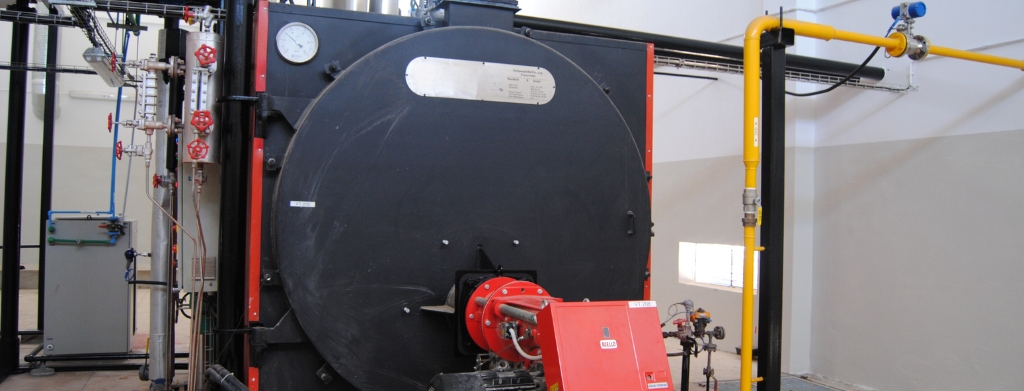
Boilers play a critical role in process industries, especially in pharmaceutical facilities, where steam or hot water generation is essential for heating applications. However, fossil fuel consumption in these systems is significant, leading to increased energy costs and environmental concerns.

Combustion heat loss is one of the biggest sources of inefficiency in boilers. Modern boiler systems typically operate with efficiency levels between 65% and 85%, as measured by indirect heating efficiency calculation methods. with growing pressure to reduce energy consumption and carbon footprints, organizations are increasingly focusing on strategies to improve boiler performance.

The connection between boiler efficiency and environmental sustainability is clear: improving efficiency directly leads to lower fuel consumption, which in turn reduces CO₂ emissions, contributing to cleaner and more sustainable operations.

What is Combustion Efficiency?

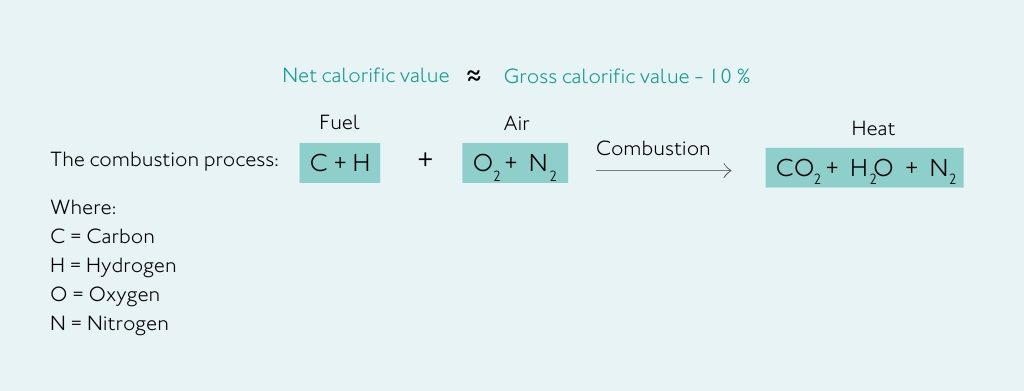
Combustion efficiency is a key indicator of overall boiler performance. It depends on the correct air-to-fuel ratio, which ensures complete combustion. In an ideal scenario, air and fuel mix in their exact stoichiometric proportions—the precise mass of air required to fully combust a given amount of fuel.

Practical Challenges

Achieving perfect stoichiometric combustion is practically impossible due to:
a) Imperfect burner mixing capabilities – Burners may not mix air and fuel evenly.
b) Excess air requirements – Boilers often need more air than the stoichiometric amount to ensure complete combustion.
These challenges often lead to two common scenarios that affect boiler efficiency.

The Excess Air Dilemma
When managing combustion, balancing air supply is crucial. Two key issues arise:

a) Insufficient Air: Leads to incomplete fuel combustion, causing:
– Reduced heat output
– Increased carbon monoxide (CO) emissions
– Potential regulatory non-compliance

b) Excessive Air: Leads to efficiency losses through:
– Heat loss through flue gas
– Reduced combustion efficiency
– Unnecessary energy waste

Optimization Strategies for Boiler Efficiency

I. Oxygen Content Management
Monitoring and regulating flue gas oxygen levels can significantly improve boiler efficiency. Modern combustion control systems use oxygen trimming mechanisms with the following recommended parameters:
CNG/LPG systems: 2% oxygen content (~15% excess air)
Oil-based systems: 3% oxygen content (~20% excess air)

2. Consideration of Operating Conditions
– High-fire operation: Maintain standard oxygen levels.
– Low-fire operation: Requires increased oxygen levels (6-7%) to sustain stable combustion.
– Efficiency impact: Every 5% increase in excess air results in a 1% efficiency loss.

3. Advanced Control Systems
While oxygen monitoring is a cost-effective solution, its effectiveness decreases in certain conditions, such as:
– Low-fire operations
– Low ambient air temperatures

To address these limitations, modern control systems incorporate carbon monoxide sensors instead of oxygen sensors. The benefits include:
– More effective excess air elimination
– Improved control over unburnt fuel
– Enhanced regulatory compliance
– Better performance across varying operational conditions

Economic and Environmental Impact

Adopting advanced combustion optimization systems can provide both environmental and economic benefits, making it a win-win solution for industries.

1. Cost Savings
Investing in boiler efficiency optimization can yield substantial cost savings. For example, an industrial facility with an annual fuel cost of $1,000,000 can achieve:
– A 1% efficiency improvement, resulting in $10,000 annual savings
– Reduced maintenance and operational costs

2. Environmental Sustainability
– Lower CO2 emissions contribute to a reduced carbon footprint.
– Enhanced ESG (Environmental, Social, and Governance) scores for businesses.
– Compliance with evolving government regulations on emissions control.

Current Industry Status and Adoption Trends
Many industries in India still rely on traditional control systems without oxygen or carbon monoxide trimming capabilities. The integration of advanced control technologies in boilers can deliver substantial advantages, including:
– Improved Industrial Operations: Enhanced performance and reliability across varied conditions.
– Regulatory Compliance: Staying ahead of stringent environmental standards.
– Environmental Sustainability: Reduced fuel consumption and carbon footprint.
– Cost Efficiency: Significant savings in operational expenses.

Why You Should Invest in Boiler Efficiency Technologies?

Incorporating advanced boiler efficiency technologies—such as high-performance burners and oxygen/carbon monoxide control systems—into industrial operations not only enhances environmental sustainability but also ensures long-term cost savings. These systems help organizations meet regulatory standards while achieving optimal performance, which leads to:
– Reduced fuel consumption
– Lower emissions
– Enhanced operational reliability

Investing in these systems represents a forward-thinking approach that aligns with modern business goals of cost optimization and environmental responsibility. The result? A sustainable and efficient industrial operation that’s ready for the challenges of tomorrow.

Why Pharma Access?

At Pharma Access, we specialize in EPC solutions for pharmaceutical turnkey projects, helping industries design and optimize their pharmaceutical manufacturing facilities for enhanced efficiency and sustainability. Through our unique approach—ENGICUTION (Engineering + Execution)—we bridge the gap between precision engineering and flawless execution, ensuring your operations are:
– Cost-effective
– Regulatory compliant
– Environmentally responsible

With our expertise in engineering consulting services we provide customized solutions that drive energy efficiency and sustainability.

Ready to optimize your facility’s energy efficiency? Let Pharma Access take your operations to the next level. Contact us today to learn how our expertise in boiler efficiency optimization can drive sustainability and cost savings for your business.

New Paradigms for Validation for Industry 4.0

What is Validation for Pharma 4.0?

A fundamental cGMP requirement is that systems, processes & methods which are used to manufacture medicines are validated, meaning their fitness for purpose is demonstrated. For success in Industry 4.0 in the pharma space, the manufacturers need to transition from the old ways of approaching compliance & embrace this new age of data-powered technology.

Let us discuss how can we shift our mindset for achieving Validation 4.0

Transitioning from the Traditional Ways

For Validation 4.0, we need to move on from creating historical documents of what was tested to focus instead on real-time verification of product quality by managing specification and evidence data around a process that is in a state of control throughout the life cycle. Standalone documents are clearly not suited to continuous verification, and the masses of documentation created by both suppliers and regulated companies in the name of validation are inefficient, difficult to maintain, and perhaps not auditable.

Digital artifacts managed with appropriate tools can instantaneously provide reporting and notifications on the state of control. The systems used widely today by agile software developers for cloud solution providers are a good reference point for Validation 4.0 to leverage and integrate quality management efforts into our ongoing activities of continuous verification beyond what is possible with static documented evidence.

Data – The Foundation

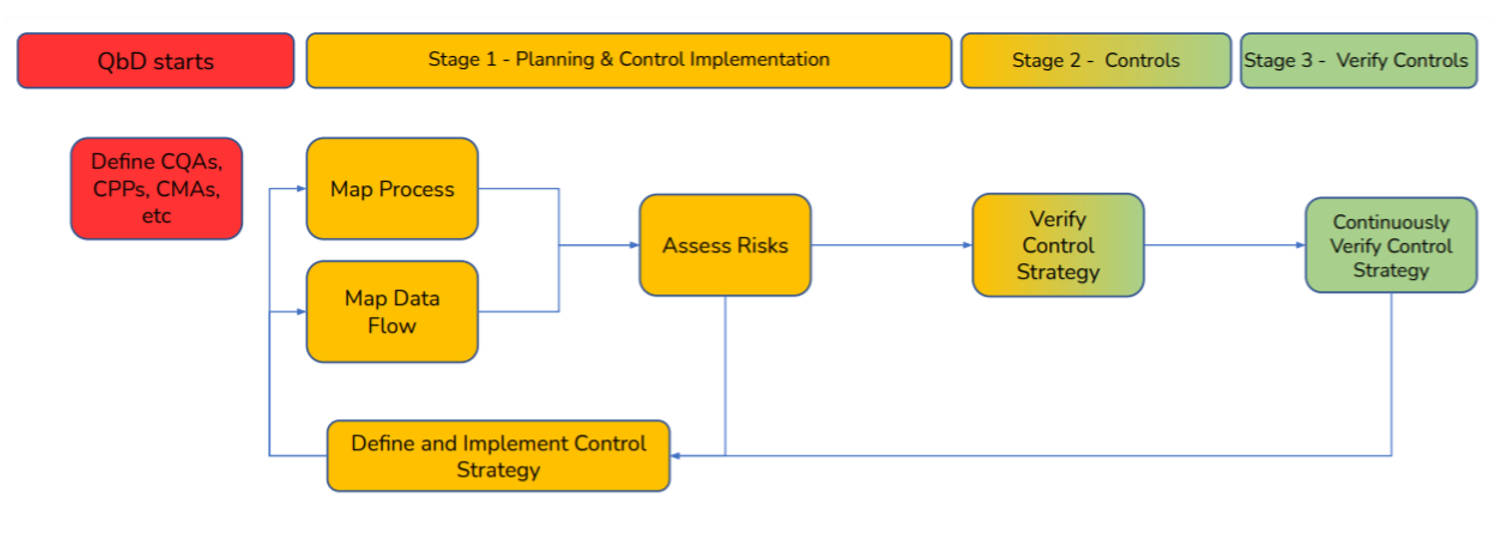
Data integrity has been a buzz term for years now. A whole subindustry has been built around this concept, and yet we still fail to truly embrace what it means and how to implement it. Data is the foundational element of validation and the basis for decision making. When we consider validation, we need to shift our focus to how we control the data that allows us to make GmP decisions and look at validation under a QbD lens.

The focus of validation changes from qualification testing to ongoing and constant assurance that the needed controls are in place and operating correctly. This continuous verification of the process and risk is the primary evidence that the process is in a state of control. By using real-world data to feedback into our process, data, and risk evaluation, we can be assured that our products are constantly manufactured and released based on sound data, and through this model, we can continuously reassess risk conditions and handle inherent process variability.

Majority of the pharma giants have already begun the use of data architecture which includes data warehousing, data marts, data mining for checking the effectiveness of each dosage on their patients, collecting and analyzing medical report (pathological) of person undergoing test to facilitate R &D, manufacturing, supply chain.

Transitioning from Validation to Validation 4.0

As per US FDA, “effective process validation contributes significantly to assuring drug quality”. Process validation is a series of activities that occur over the life cycle of the product.

Validation Life Cycle

While process validation covers and takes care of the following things:

  • Create quality target product profile
  • Identify CQAs
  • Define Critical Process Parameters
  • Evaluate the process to verify that it can reproduce consistent & reliable levels of quality
  • Detect & resolve process drifts

Validation 4.0 covers these aspects:

  • Holistic planning & design.
  • Conduct process and data flow risk assessment at the design stage, incorporating criticality and vulnerability to define the control strategy, and to implement data integrity as a fundamental aspect of QbD.
  • Automate to rapidly ensure that planned controls are in place / effective.
  • Incorporate data from across the value chain (from raw material suppliers to patients) and product life cycle to evolve the control strategy into a holistic control strategy.

Conclusion

By moving to a process and data-centric approach to validation, and finally establishing a baseline for incorporating QbD, the pharma industry can move to continuous assurance of product quality throughout the product’s life cycle, and at every point in time.


Energy Efficiency in Pharma Engineering!

How can Pharma Access Help?

Marginal changes in production setup can result in significant energy savings!

Shifting from Batch -> To Continuous Manufacturing

20 – 30% Savings!

Recycling residual steam & clean water

10% Savings!

Shifting from Open -> To Closed Manufacturing

8 – 10% Savings!

Upgrading WFI with membrane technology

8 – 10% Savings!

Optimizing Equipment

5 – 10% Savings!

Our Subject Matter Experts are here to help you find ideal sustainable solutions for your Pharma facility!