Building Africa’s Pharma Manufacturing Base: What the AMA and the 60%-by-2040 Goal Mean for Facility Investment

Building Africa's Pharma Manufacturing Base: What the AMA and the 60%-by-2040 Goal

Africa’s pharma manufacturing base is at a turning point. For decades, the continent has relied on imported medicines and vaccines, a dependency that COVID-19 exposed in painful detail. Now two forces, a new continental regulator and a bold production target, are pushing governments and manufacturers toward a different future. This post looks at what those forces actually mean, and what it takes on the ground to turn the goal into working facilities.

Why Africa Still Imports Most of Its Medicines

The numbers explain the urgency. Africa imports more than 70% of the pharmaceuticals it consumes, while the WHO African Region imports 99% of its vaccines, with a significant share of pharmaceutical imports coming from Asian manufacturing markets. That reliance leaves the continent exposed every time a supply chain hiccup hits somewhere else in the world, and it can add logistics costs, duties, longer lead times, and supply-chain exposure. Local manufacturing can reduce some of these pressures, although its cost competitiveness ultimately depends on production scale, capacity utilisation, input costs, infrastructure, and operating efficiency.

This is not a new problem, but it took a pandemic to turn it into a policy priority.

What Is the African Medicines Agency (AMA)?

The African Medicines Agency was created to address one of the biggest roadblocks to local manufacturing: a fragmented regulatory landscape. Without stronger continental coordination, manufacturers seeking access across multiple African markets have had to navigate fragmented national and regional regulatory requirements, with differing procedures and timelines.

The AMA is a specialised health agency of the African Union designed to strengthen the capacity of participating member states and recognised Regional Economic Communities to regulate medical products, support regulatory harmonisation, and coordinate existing regulatory efforts rather than replace national medicines regulators. As of 22 May 2026, thirty-one African Union member states had ratified or acceded to the treaty establishing the agency and deposited their instruments, marking a continuing institutional shift toward stronger regional regulatory cooperation.

The 60%-by-2040 Goal, Explained

Here is the target at the centre of the sector’s local-manufacturing agenda. Africa CDC, through its Partnerships for African Vaccine Manufacturing (PAVM) initiative, originally set a goal for Africa to manufacture 60% of its vaccine needs locally by 2040; in February 2026, African leaders broadened the continental ambition by declaring a goal to meet at least 60% of Africa’s health-product needs through local manufacturing by 2040. The AMA and this wider production ambition are complementary: one supports stronger and more harmonised regulatory systems, while the other creates a long-term manufacturing and demand objective worth building capacity for. 

A few numbers put the scale of this ambition in perspective:

  • More than 70% of pharmaceuticals consumed in Africa are imported, while 99% of vaccines used in the WHO African Region are imported, showing how limited local production remains relative to demand today.
  • Many African pharmaceutical facilities operate at 30–60% capacity, below the 70%+ utilisation rates reported in more advanced pharmaceutical manufacturing markets.
  • Pharmaceutical production is also concentrated: just eight countries account for 85% of Africa’s approximately 690 pharmaceutical manufacturing facilities.

Closing that gap by 2040 means building real production capacity, not just signing agreements.

What Facility Investment Actually Requires
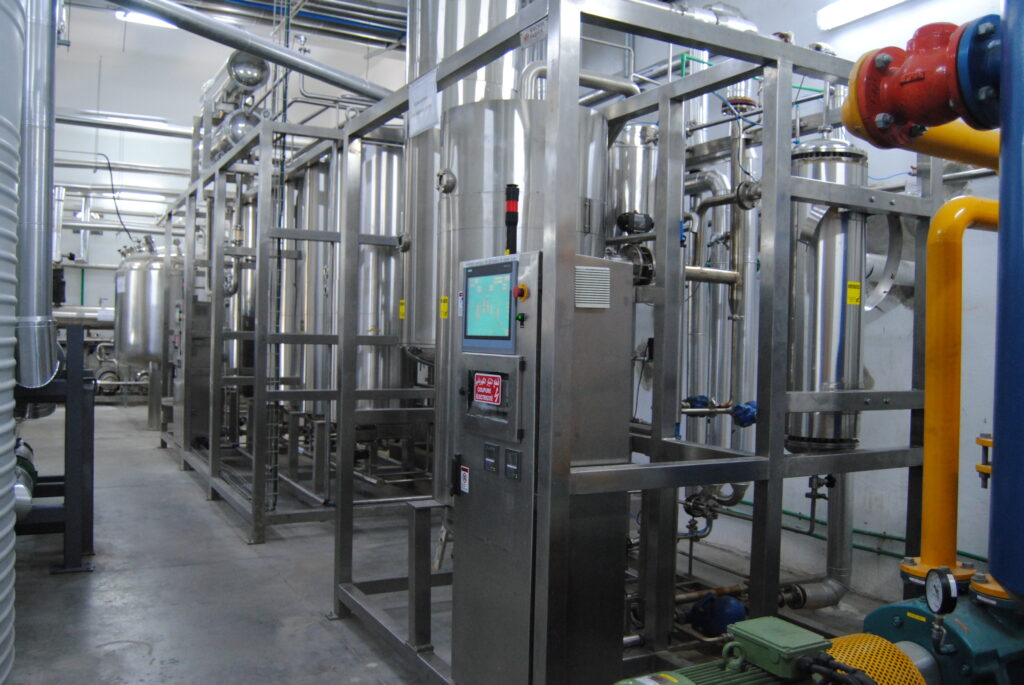
What Facility Investment Actually Requires

A regulatory framework and a target date do not build a factory. Getting from policy to working production lines takes capital, infrastructure, and technical expertise, and each of these carries its own set of hurdles.

Infrastructure Gaps

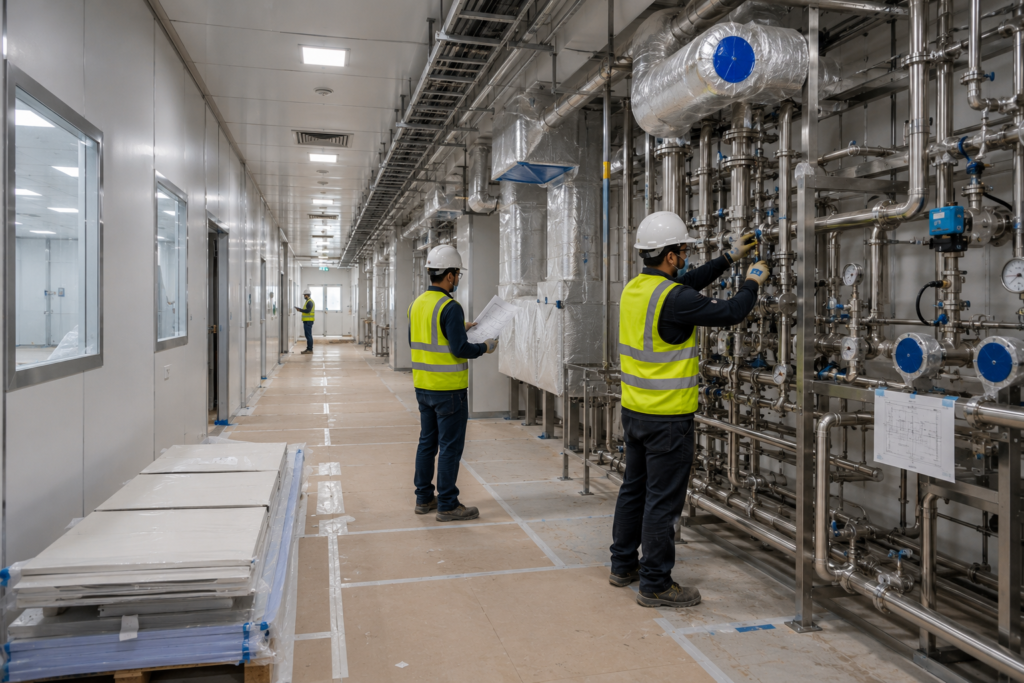
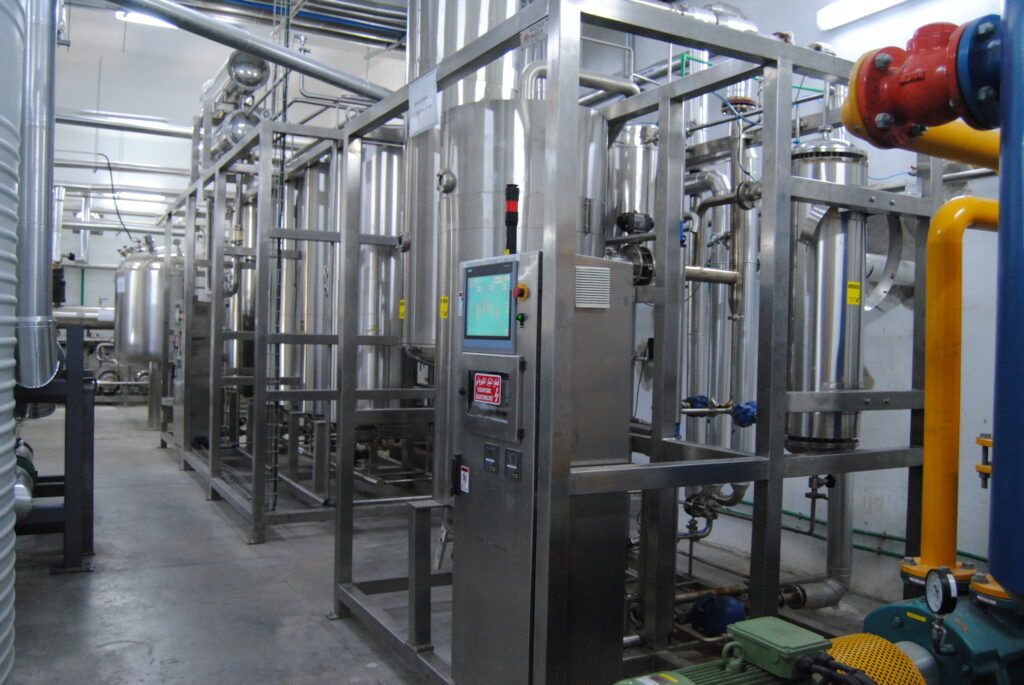
Unreliable electricity, weak transportation networks, and limited access to advanced testing equipment all slow down manufacturing readiness. A pharma facility depends on consistent power for HVAC, water systems, and cold storage, so power reliability and utility resilience are critical early considerations for an engineering team before the manufacturing systems themselves can operate reliably. 

GMP-Compliant Facility Design
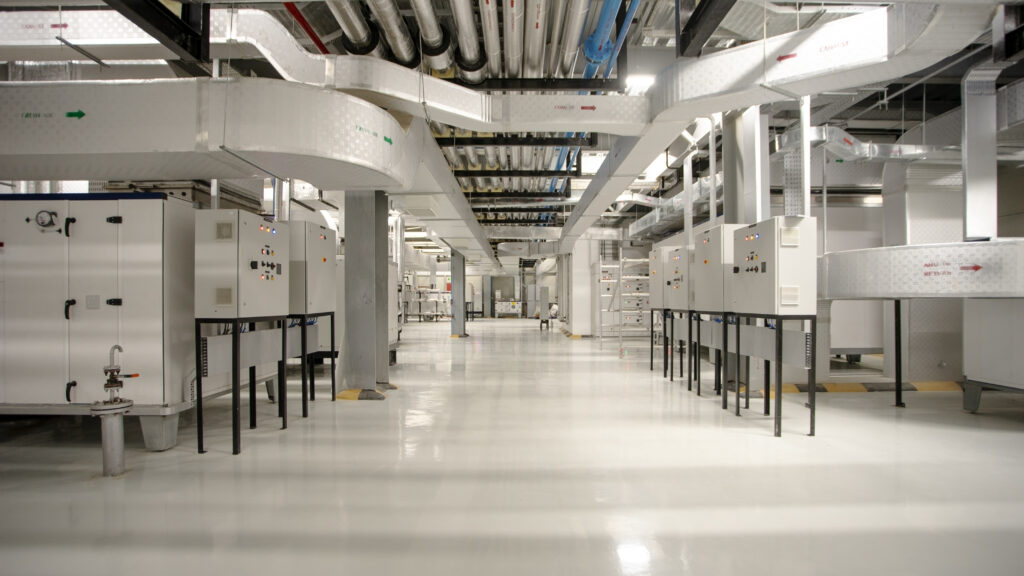
GMP-Compliant Facility Design

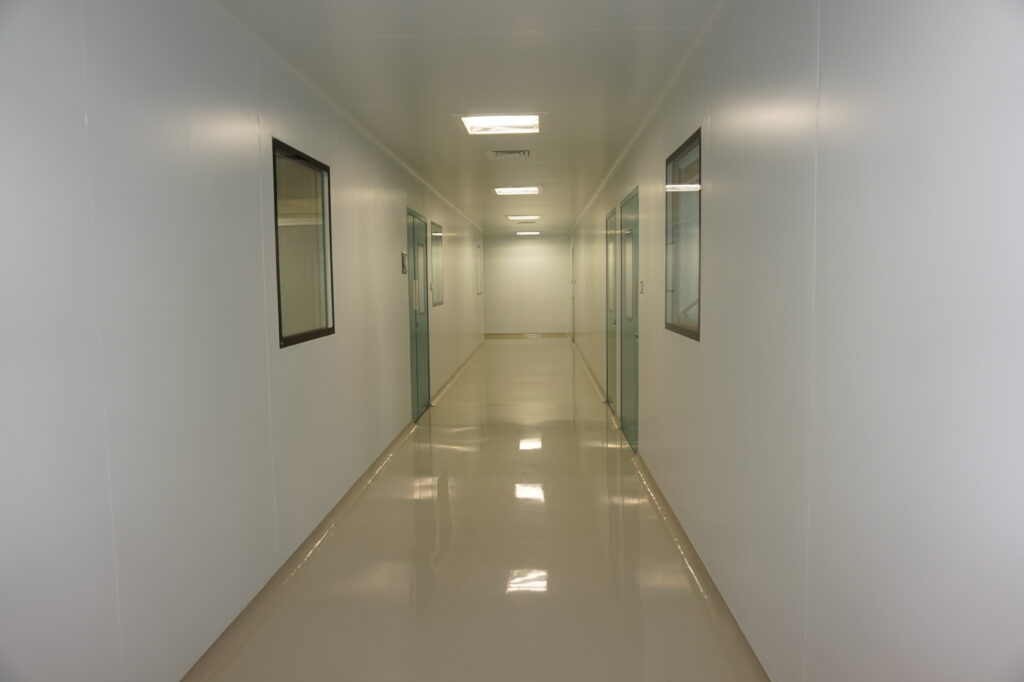
Many local manufacturers face a shortage of facilities built to Good Manufacturing Practice (GMP) standards, including proper HVAC systems and layout design. Retrofitting an existing building can achieve GMP requirements, but brownfield projects may face constraints related to personnel and material flows, segregation, HVAC zoning, utilities, structural capacity, equipment access, and maintainability. A structured engineering and GMP gap assessment is therefore needed to determine whether upgrading an existing building or developing a purpose-built greenfield facility offers the lower technical and lifecycle risk.

Skilled Workforce

A shortage of trained personnel affects both construction and ongoing operations. Facilities need staff who understand validation, quality systems, and day-to-day GMP practice, not just people who can run equipment.

High Capital Costs

Building a GMP-compliant facility carries a real price tag, and the burden of financing a full qualification, validation, and compliance programme is not small, especially during periods of economic pressure. This is one reason regional demand-pooling mechanisms and long-term offtake agreements matter so much. They give investors a clearer path to a return before they commit capital.

What Investors Should Define Before Facility Design Begins

Before committing capital, manufacturers and investors also need to define the intended product portfolio, dosage forms, production capacity, target regulatory markets, site infrastructure, demand assumptions, future expansion requirements, and the CQV strategy. These decisions directly influence facility size, cleanroom classification, utility loads, process equipment, CAPEX, operating cost, and the choice between greenfield and brownfield development. Building these requirements into the project definition early reduces the risk of designing capacity that cannot operate competitively or support the intended market.

How Modern Engineering Tools Fit Into the Picture

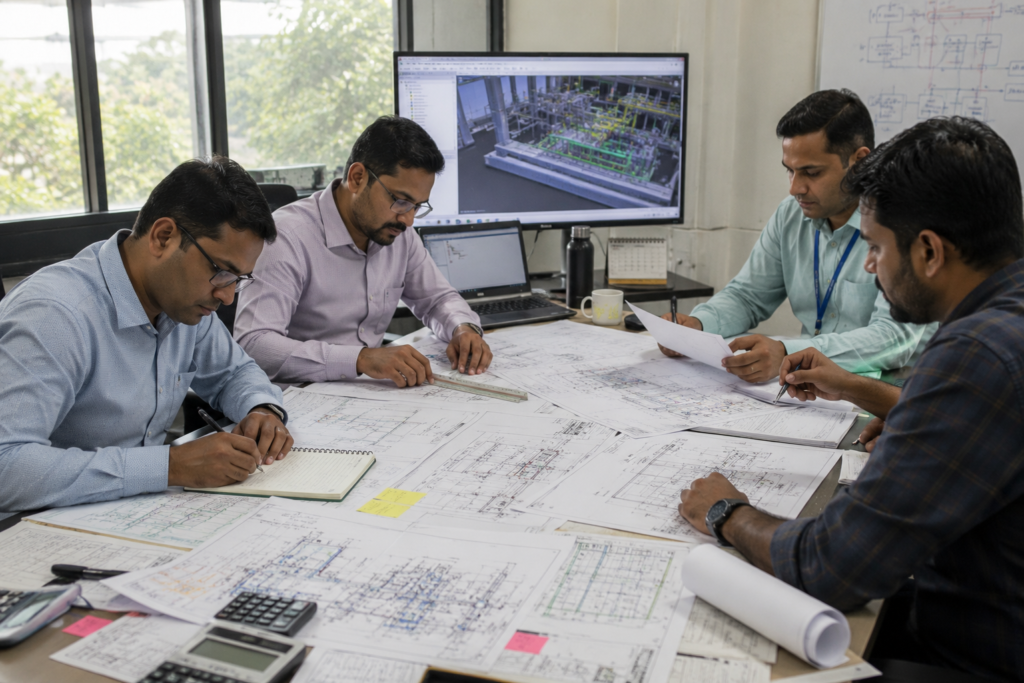
As new facilities get planned across the continent, the design and construction process itself is changing. Simulation-based pharmaceutical engineering, including computational fluid dynamics (CFD), digital modelling, and AI-assisted analysis, is increasingly used to evaluate airflow, simulate HVAC performance, and identify layout issues before construction starts, rather than after.For a region trying to build capacity quickly and get it right the first time, catching design problems on a screen instead of on a half-built facility saves both time and money.

This matters more in Africa’s context than almost anywhere else. With capital tight and timelines tied to regional demand targets, a facility that requires major late-stage design corrections, rework, or repeat qualification can create delays and additional costs that investors need to plan for from the beginning.

Where Cleanroom Validation Fits Into the 2040 Target
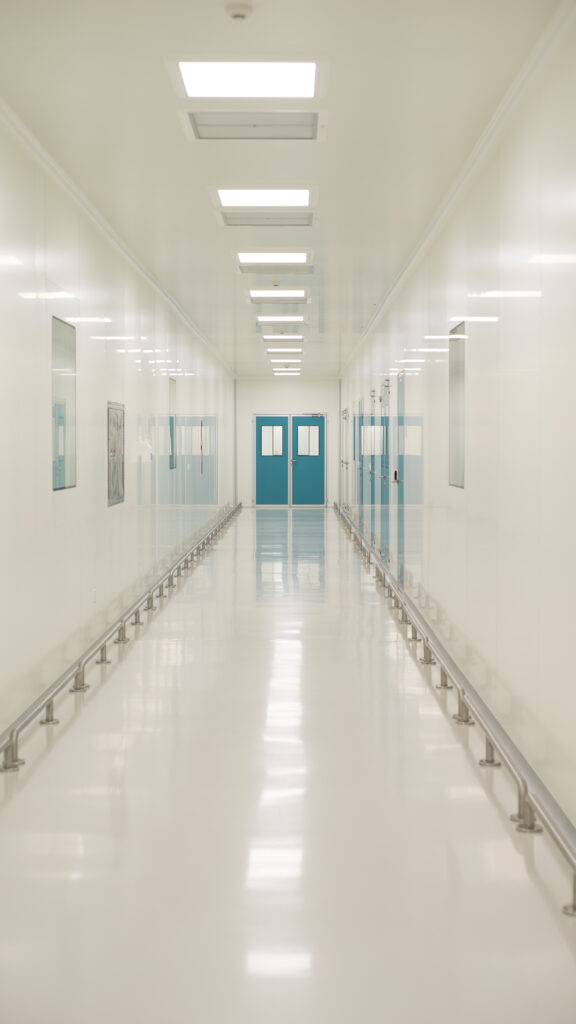
Where Cleanroom Validation Fits Into the 2040 Target

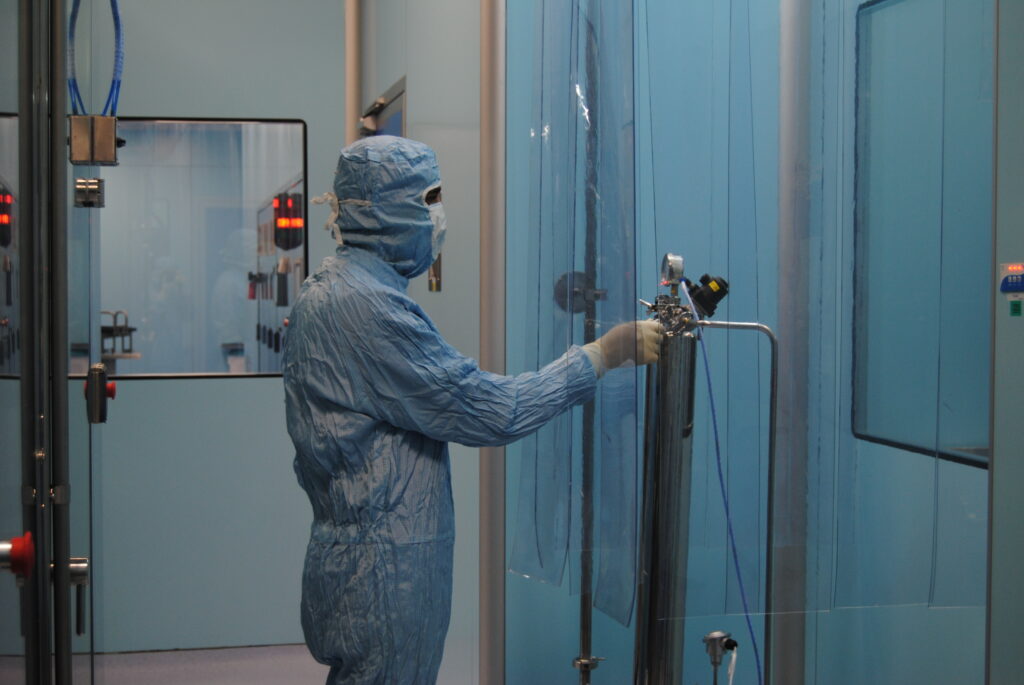
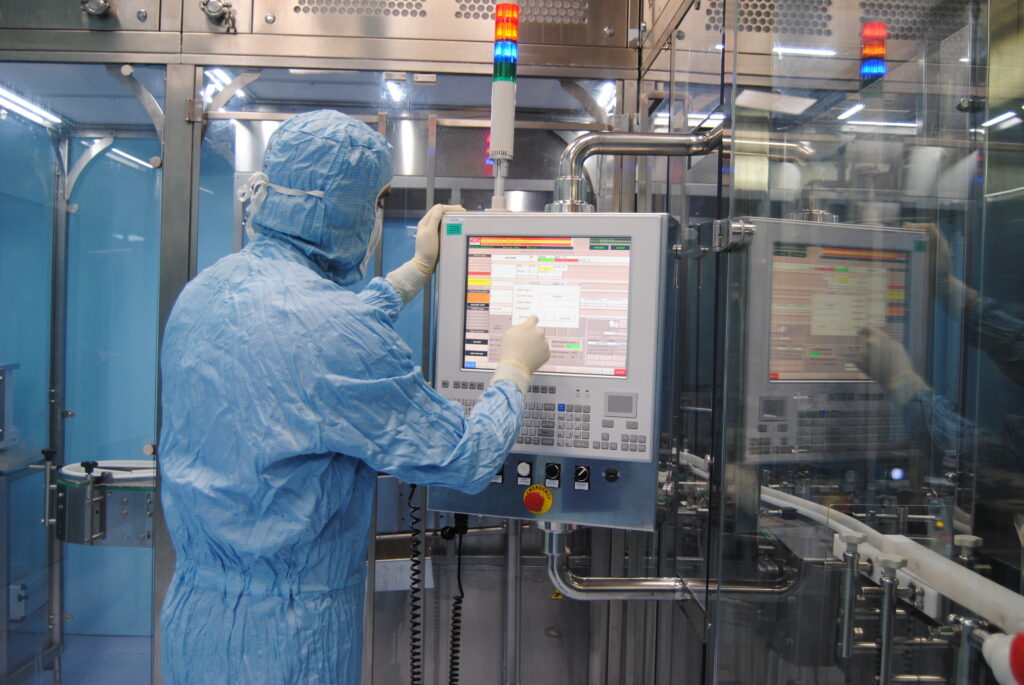
None of this production capacity means anything if the facilities cannot pass inspection. A Cleanroom Validation Procedure, more precisely described in pharmaceutical GMP terminology as cleanroom qualification, uses ISO 14644 classification principles together with applicable GMP requirements to provide documented evidence that classified environments perform as intended. Depending on the facility and applicable requirements, qualification can include particle classification, HEPA-filter integrity testing, airflow volume and velocity, pressure differentials, airflow visualisation, microbial contamination, temperature, relative humidity, recovery, and other relevant tests. For African manufacturers targeting WHO prequalification or regulated regional and export markets, cleanroom qualification is an important part of GMP readiness where classified cleanrooms are required. It provides documented evidence of controlled-environment performance, but it does not by itself constitute product approval or WHO prequalification. 

Late or incomplete qualification can result in deviations, rework, retesting, and delays during facility start-up or inspection readiness. Building qualification requirements into the design and construction timeline from day one, rather than treating them as a final checkbox, gives a facility a stronger basis for achieving its planned qualification and start-up schedule. 

Why International Partnerships Matter

Africa does not need to build this manufacturing base alone, and international collaboration, technology transfer, skills development, and strategic partnerships are already part of the continent’s local-manufacturing agenda. Partnering with experienced pharmaceutical engineering consultants in India https://www.pharmaaccess.net/ can bring design and construction knowledge from a country that has already built a mature generics manufacturing ecosystem. That experience, applied appropriately to the regulatory, infrastructure, product, and operating requirements of individual African markets, can shorten the learning curve considerably.

Good Pharma Project Management Services matter just as much as the engineering itself. Coordinating design, procurement, construction, and validation as one connected process avoids the fragmented handoffs that lead to rework, delays, and budget overruns, all of which are harder to absorb in markets where capital is already tight.

At Pharma Access, we work on engineering design, construction, and CQV (commissioning, qualification, and validation) for pharma facilities across multiple countries, bringing more than 25 years of technical and operational experience to projects that need to integrate GMP, operability, and qualification requirements from the design stage onward. The manufacturer remains responsible for GMP operations, its pharmaceutical quality system, and applicable regulatory approvals, while the engineering and project team coordinates the agreed scope through design, construction, commissioning, qualification, and handover. If your organization is planning a facility to support Africa’s pharma manufacturing base, our team can help translate a production target into an engineered, commissioned, and qualification-ready facility. You can learn more about our approach on the Pharma Access about page.

Wrapping Up

The AMA and the 60%-by-2040 goal give the continent’s pharma sector a clear direction, but direction alone will not build the plants needed to get there. Reliable power, GMP-compliant design, trained staff, and rigorous qualification & validation all have to come together, project by project, facility by facility. 

The countries and companies that treat facility investment as a technical and engineering challenge, not just a policy commitment, will be the ones best positioned to contribute meaningfully toward Africa’s 2040 local-manufacturing ambition.

FAQs

What is the African Medicines Agency (AMA)? 

The AMA is a specialised health agency of the African Union established to strengthen regulatory capacity, support harmonisation of medicines regulation, and coordinate existing regulatory efforts across participating member states and regional bodies. It complements rather than replaces national medicines regulatory authorities.

What does the “60% by 2040” goal actually mean? 

The original PAVM target called for Africa to manufacture 60% of its vaccine needs locally by 2040. In February 2026, African leaders broadened the continental ambition to meet at least 60% of Africa’s health-product needs through local manufacturing by 2040.

Why do so many African pharma facilities struggle with GMP compliance? 

Common barriers include unreliable electricity, limited access to GMP-compliant facility infrastructure, a shortage of trained personnel, and the high upfront cost of building and qualifying a facility to international standards.

Why is cleanroom validation so important for new African facilities? 

Cleanroom qualification provides documented evidence that classified environments meet their defined cleanliness and performance requirements. It is an important part of GMP readiness for facilities that require controlled environments, although cleanroom qualification alone does not constitute regulatory approval or WHO prequalification.

How can international partners help Africa reach its manufacturing goals? 

Experienced engineering and project management partners can bring facility design, construction, commissioning, qualification, technology-transfer, and project-delivery expertise from established pharmaceutical manufacturing markets, helping African project teams reduce avoidable rework and build local capability as manufacturing capacity expands. 
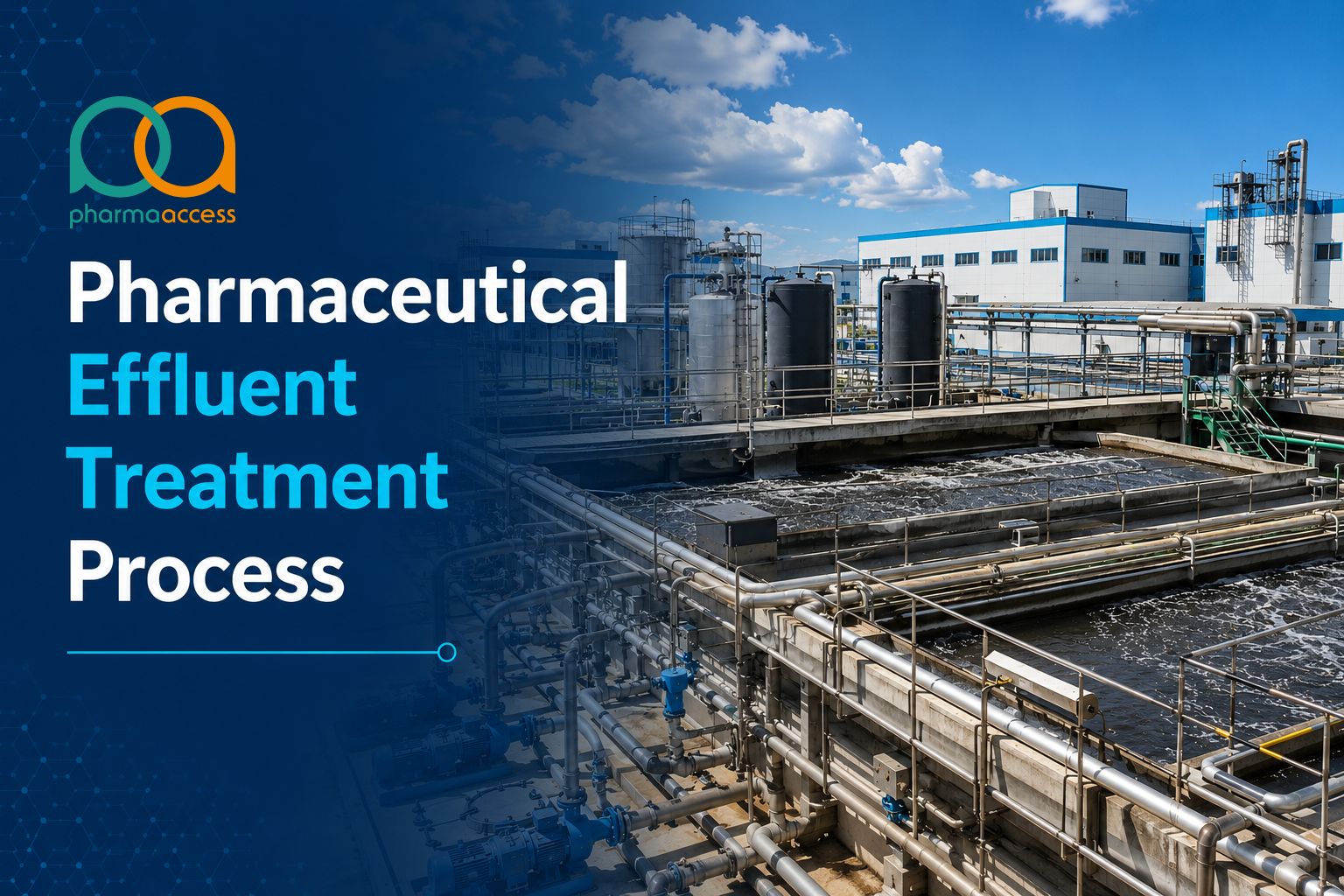
What is the Pharmaceutical Effluent Treatment Process? A Step-by-Step Guide

Pharmaceutical Effluent Treatment Process

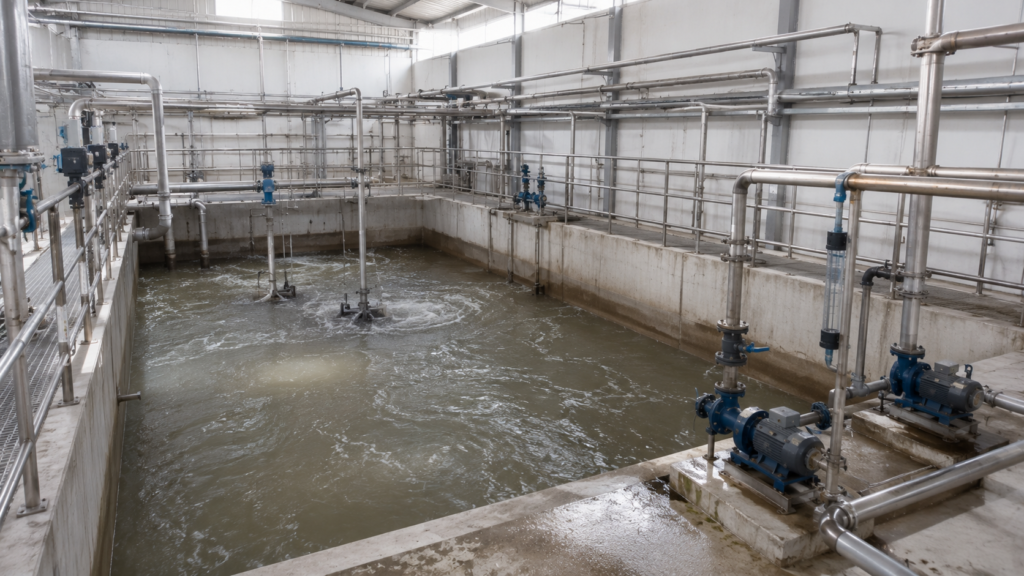
Pharmaceutical manufacturing facilities generate wastewater through production, equipment cleaning, laboratory activities and utility operations. Wastewater generated during manufacturing contains solvents, active pharmaceutical ingredients, cleaning agents, and residues of antibiotics. If that water is released from the site untreated, it can harm aquatic life and contribute to antibiotic resistance in the environment at large. That’s why pharma effluent treatment solutions exist. The World Health Organization identifies pollution from antibiotic manufacturing as a factor that can contribute to resistance development and potentially undermine the effectiveness of antibiotics.

That is why pharma effluent treatment solutions are designed to reduce pollutant loads before wastewater is discharged or reused. Environmental regulators in India and the United States establish discharge limits, permit conditions and pretreatment requirements rather than prescribing one identical treatment system for every pharmaceutical facility.

Let’s go through the pharmaceutical effluent treatment process step by stage so you know exactly what happens between the drain and the discharge point.

Why Pharma Wastewater Needs Special Handling

Domestic wastewater is mainly organic matter, which degrades over time. The pharmaceutical industry produces a different type of wastewater. It has a mixture of:

  1. Reactor, vessel and equipment wash water containing unreacted raw materials, intermediates and solvents
  2. Residues of active pharmaceutical ingredients
  3. High chemical oxygen demand (COD) and biological oxygen demand (BOD)
  4. Disinfectants and cleaning agents
  5. Acids, alkalis, dissolved salts and suspended solids
  6. Oils, process residues and compounds that may inhibit biological treatment
  7. Poorly biodegradable or potentially hazardous contaminants

Traditional municipal wastewater-treatment systems are generally designed to remove conventional pollutants such as suspended solids and biodegradable organic matter. Although they may incidentally remove some pharmaceutical compounds, many pharmaceuticals can pass through because these systems were not specifically designed for their removal.

In India, the Environment (Protection) Rules establish standards for the discharge of environmental pollutants, while the Central Pollution Control Board or relevant State Pollution Control Board may impose more stringent requirements based on the industry, location and receiving environment. https://moef.gov.in/uploads/2018/03/THE_ENVIRONMENT.pdf
Chemical sludge and certain residues generated during pharmaceutical effluent treatment may also require management under the applicable Hazardous and Other Wastes rules and the facility’s hazardous-waste authorisation. Their classification, storage, transportation and disposal should be confirmed with the relevant regulatory authority rather than assumed solely from the source of the sludge.
In the United States, the EPA has Pharmaceutical Manufacturing Effluent Guidelines under 40 CFR Part 439, first issued in 1976 and amended in 1983, 1998 and 2003. These guidelines cover fermentation, extraction, chemical synthesis, mixing, compounding, formulation and certain pharmaceutical research activities. They apply through NPDES permits for direct dischargers and pretreatment permits or other control mechanisms for facilities that discharge to a publicly owned treatment works.
In either case, the conclusion is the same: pharmaceutical wastewater requires a treatment system designed around its actual composition, discharge route and applicable regulatory conditions.

An Effluent Treatment Plant in the Pharmaceutical Industry: The Four Main Stages

A well-designed effluent treatment plant in the pharmaceutical industry involves the wastewater moving through four stages. However, wastewater characterisation, source segregation and pollution prevention must take place before those four stages begin.
The facility should first identify where each wastewater stream originates and assess parameters such as flow, pH, COD, BOD, total dissolved solids, suspended solids, solvents, APIs and potential biological toxicity. High-strength, solvent-bearing, antibiotic-containing or high-TDS streams may require separate collection, recovery or pretreatment before entering the main ETP.
This step prevents incompatible streams from being mixed too early and helps ensure that the main treatment plant is designed for the actual hydraulic and pollutant load. WHO guidance for antibiotic manufacturing similarly recommends mapping production systems and waste flows, identifying release hazards and verifying the effectiveness of existing controls.

1. Preliminary Treatment

Preliminary Treatment

The wastewater first passes through screens or strainers and, where required, grit-removal systems, which take out large debris, plastic, packaging material, sand and other materials that could damage pumps or obstruct downstream equipment.

Batch manufacturing results in wastewater being sent to the drainage system in uneven bursts rather than as a steady stream, so an equalisation tank is used to even out the flow rate and pollutant concentration. The tank may also include mixing or aeration to prevent solids from settling, minimise odour formation and maintain a more uniform wastewater composition.

If this step is omitted or inadequately designed, equipment downstream can experience hydraulic or pollutant shock loading, and the performance of the entire treatment system can be disrupted. EPA’s preliminary-treatment guidance includes screening, grit removal and flow equalisation among the principal preliminary-treatment operations. 

2. Primary Treatment

Then comes chemical dosing. Depending on the wastewater characteristics, coagulants, flocculants and pH-adjustment chemicals are added to destabilise fine suspended and colloidal particles so that they form larger, removable flocs.

Acids, alkalis, lime, caustic soda or other chemicals may be selected for pH adjustment based on the wastewater chemistry and the required downstream treatment conditions. The solids can then settle in a clarifier or sedimentation tank or be separated using another suitable physical process.
At this stage, oil and grease separation may also be included where the wastewater profile requires it to protect downstream biological systems. At the end of primary treatment, most of the visible solids and a significant portion of the suspended load have been removed.

Chemical dosing should not be treated as a standard formula. Jar testing or treatability studies are normally required to determine the appropriate chemical type, dosage, pH range and settling performance.

3. Secondary (Biological) Treatment

Secondary (Biological) Treatment

This is where most of the biodegradable dissolved organic pollution is removed. Biodegradable compounds are degraded by microorganisms using one of several common methods:

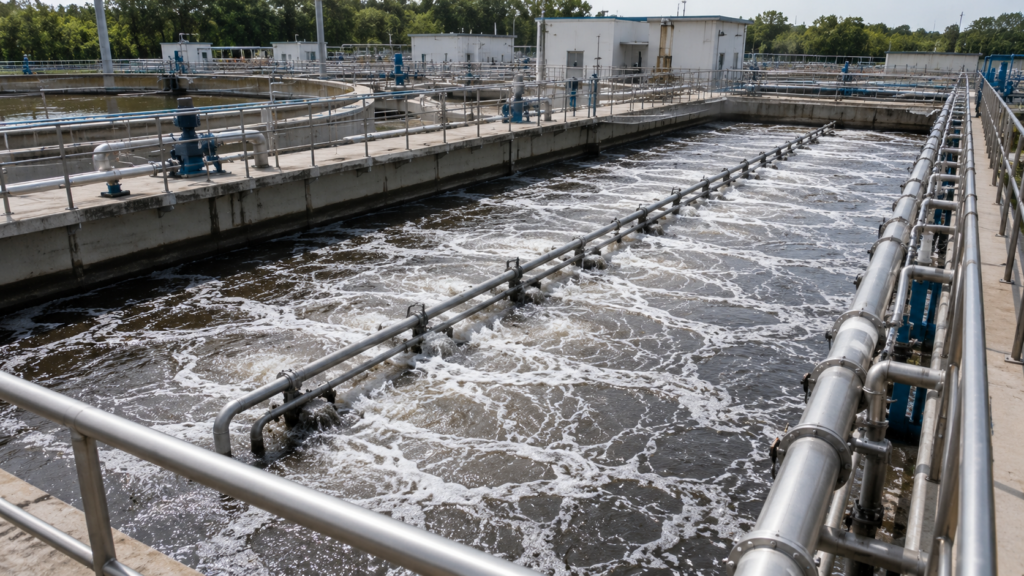
  • Activated Sludge Process (ASP): Microorganisms metabolise biodegradable organic matter in aerated tanks, after which the biomass is separated from the treated water in a secondary clarifier.
  • Moving Bed Biofilm Reactor (MBBR): Microorganisms grow as a biofilm on mobile carrier media suspended within the reactor, allowing biological treatment within a relatively compact system.
  • Sequencing Batch Reactor (SBR): Filling, aeration, biological reaction, settling and decanting occur in timed cycles within the same basin. Read more

An SBR is a fill-and-draw activated-sludge process in which equalisation, aeration and clarification can take place through a predetermined sequence of operations. 

Depending on the wastewater strength and biodegradability, the biological stage may use aerobic treatment, anaerobic treatment or a combination of both. Nutrient addition may also be necessary where the wastewater does not contain the balanced nutrients required to maintain biological activity.

The biological stage has to be correctly sized because pharmaceutical effluent often has higher or more variable BOD and COD levels than domestic wastewater. Solvents, disinfectants, antibiotics, extreme pH conditions and sudden increases in pollutant concentration can also inhibit or damage the biological population.

If the system is underdesigned or receives uncontrolled shock loads, the outlet quality can fall below the discharge-permit requirements.

4. Tertiary Treatment

Tertiary Treatment

The final polishing step takes out what biological treatment cannot reliably remove, including remaining suspended solids, dissolved salts, selected trace organic contaminants, residual colour and pathogens.

Common tertiary and advanced-treatment methods are:

  • Sand or multimedia filtration for remaining suspended solids
  • Activated-carbon adsorption for selected dissolved organic compounds
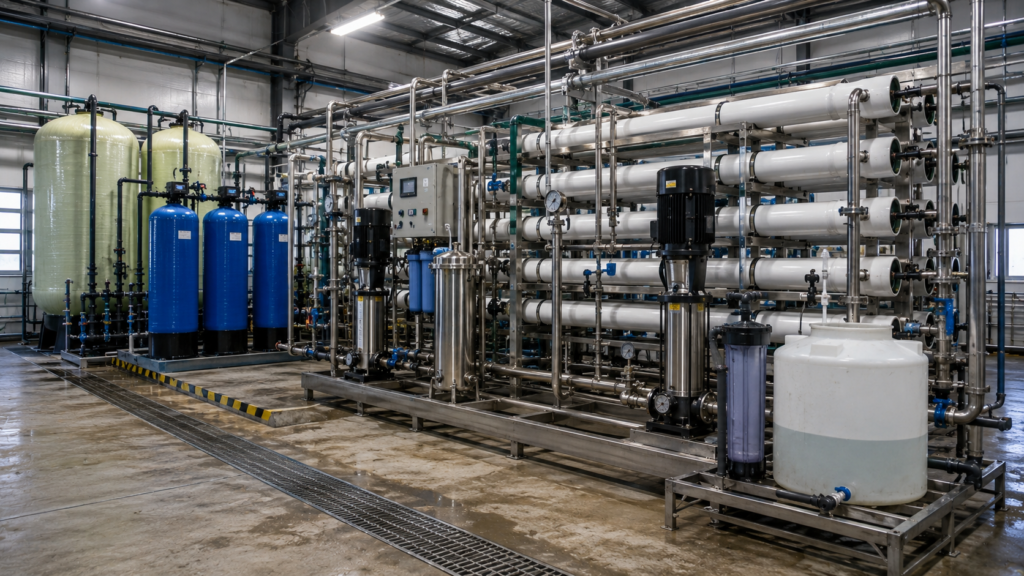
  • Ultrafiltration or reverse osmosis
  • UV disinfection or chlorination for pathogen control
  • Ozonation or another advanced oxidation process for selected persistent organic contaminants

These technologies do not all perform the same function. Sand filtration primarily removes suspended particles, while activated carbon adsorbs selected dissolved compounds. Ultrafiltration removes fine solids and microorganisms, whereas reverse osmosis separates dissolved salts and selected contaminants into a treated permeate stream and a concentrated reject stream.

UV and chlorination are commonly used for disinfection, but routine disinfection doses should not be assumed to remove all APIs. Advanced oxidation requires process-specific dosing and contact conditions that are different from conventional disinfection.

No single tertiary technology removes every pharmaceutical compound. Treatment performance depends on the chemical properties of the target compound, the wastewater matrix and the selected technology. EPA guidance notes that removal efficiency varies between compounds and that reverse osmosis or nanofiltration produces a concentrated waste stream that must be treated or disposed of appropriately.

At this point, many plants add a separate advanced-treatment or high-TDS management line where zero liquid discharge is required. Advanced oxidation may be used for selected persistent organic compounds, while a multiple-effect evaporator is normally used to concentrate high-TDS wastewater or reverse-osmosis reject. These processes should not be treated as interchangeable. 

Within a ZLD system, membrane treatment may be followed by thermal evaporation and, where required, further concentration or crystallisation. The process produces recovered water as well as concentrated salts or residues that require proper handling. Indian government documentation describes ZLD as a system that recycles treated permeate and converts dissolved organic and inorganic material into concentrated or solid residue through concentration and thermal evaporation.

Water that passes through tertiary treatment either meets the required standard for discharge or is sent back through the plant for approved reuse. Depending on the achieved water quality, treated water may be reused for cooling-tower make-up, flushing, gardening, floor cleaning or selected utility applications.

Use as boiler make-up generally requires additional polishing, hardness control, demineralisation, degassing or chemical conditioning according to the boiler and steam-system specifications.

The treatment process also generates biological sludge, chemical sludge, spent carbon, membrane concentrate and evaporator residues. These residual streams must be quantified, dewatered where appropriate, stored safely and sent for authorised recovery, treatment or disposal.

How This Connects to the Rest of a Pharma Facility

How This Connects to the Rest of a Pharma Facility

Effluent treatment is not in a corner by itself. The water a facility recovers and reuses often supports other parts of the operation, and the same engineering team that designs an ETP usually has to coordinate with the teams planning process areas, R&D laboratories, cleanroom design, utilities and facility drainage.

Production areas and cleanroom-associated operations generate wastewater through equipment washing, CIP systems, wash areas, laboratory sinks, utility blowdown and controlled floor drains. R&D laboratories discharge small-batch effluent with a different pollutant profile from full-scale manufacturing.

If you want the ETP to be properly sized and routed, you need to understand how water flows throughout the entire site, not just the production floor. The design must also identify which drains can be combined, which streams require separate collection and where sampling, monitoring and pretreatment points should be located.

This is one of the reasons that facilities are increasingly bringing in engineering consulting services rather than thinking of effluent treatment as a stand-alone equipment purchase. A consultant who also handles cleanroom design, R&D facility layout, utilities and process planning can flag where a wastewater stream will need separate pretreatment before it reaches the main ETP, saving a redesign later.

Early coordination can also establish:

  • Separate drainage networks for compatible and incompatible streams
  • Gravity-flow and pumping requirements
  • Locations for sampling and online monitoring
  • Solvent-recovery and source-specific pretreatment requirements
  • Chemical-storage and dosing areas
  • Sludge and concentrate storage requirements
  • Utility demands for RO, evaporation and biological systems

Maintenance access and future-expansion space

Choosing the Right Pharma Effluent Treatment Solutions

There are a few factors that will help determine the right treatment configuration for a particular facility.

  1. Volume and flow pattern of effluent. Batch discharges require higher equalisation capacity than continuous processes, and the design should consider average flow, peak hourly flow and maximum batch-discharge volume.
  2. Pollutant load and biodegradability. Different segregation, pretreatment and biological-treatment strategies are required for high-COD streams from chemical synthesis, saline wastewater, formulation wash water and streams containing inhibitory compounds.
  3. Wastewater composition. The presence of solvents, APIs, antibiotics, salts, oils,  cleaning chemicals or poorly biodegradable materials determines whether a stream can enter the main biological system or needs separate recovery or pretreatment. 
  4. Point of discharge. Direct discharge to a water body, discharge to a municipal sewer, connection to a common effluent treatment plant or a zero liquid discharge requirement each has different design and monitoring requirements.
  5. Local regulatory norms. The applicable requirements can vary according to CPCB standards, SPCB or Pollution Control Committee conditions, the facility’s Consent to Establish and Consent to Operate, the discharge route and whether the industry is connected to a CETP. The Environment (Protection) Rules also allow the Central or State Board to prescribe more stringent standards for a specific industry or location.
  6. Objectives for reuse. Facilities that want to recycle water for cooling, cleaning or selected utility uses need to build the required tertiary and advanced treatment into the project from the beginning rather than adding it as an afterthought.
  7. Treatability and pilot studies. Laboratory or pilot testing may be needed to confirm biodegradability, chemical dosage, biological inhibition, membrane recovery and advanced-treatment performance.
  8. Sludge and concentrate management. The design must consider the volume, characteristics, storage and final disposal route of biological sludge, chemical sludge, RO reject and evaporator residues.
  9. Future production capacity. Additional products, production lines and batch sizes can change the wastewater flow and pollutant profile, so expansion requirements should be considered during the initial design.

Pharma Access evaluates these requirements as part of its pharmaceutical engineering consulting services. The difference between a system that works smoothly and one that needs constant rework is often getting effluent treatment right at the design stage rather than retrofitting it after construction.

Common Mistakes That Cause ETP Failures

  • Inadequate sizing of the equalisation tank results in unbalanced hydraulic and pollutant surges reaching biological treatment.
  • Designing the ETP around average daily flow while ignoring peak batch discharge and maximum pollutant load
  • Combining high-strength, solvent-bearing or high-TDS streams with low-strength wastewater too early
  • Not recovering recoverable solvents or products, which increases the COD load unnecessarily
  • Skipping a pilot or treatability study for effluent with a different chemical profile
  • Selecting biological treatment without assessing whether the wastewater contains inhibitory or toxic compounds
  • The ETP design is developed separately from the facility design, leading to drainage, pipe-routing and utility conflicts that are discovered during construction
  • Underestimating sludge-handling requirements, as chemical sludge and certain pharmaceutical ETP residues may require controlled storage, transportation and authorised disposal
  • Assuming that tertiary treatment automatically removes every API or pharmaceutical compound
  • Failing to plan for RO reject, evaporator concentrate, salts and spent-treatment media
  • Providing inadequate sampling points, laboratory testing and online monitoring
  • Failing to allow space and hydraulic capacity for future facility expansion

Wrapping Up

Pharma effluent treatment solutions follow a consistent four-stage path: preliminary screening and equalisation, primary physicochemical treatment, secondary biological treatment and tertiary polishing.

However, a reliable pharmaceutical effluent treatment process begins before those four stages with wastewater characterisation, source segregation, pollution prevention and the separate management of incompatible or high-strength streams.

What sets apart a system that meets CPCB, SPCB, EPA or other applicable requirements year after year from one that repeatedly experiences compliance problems is making sure that each phase of the system is designed around the plant’s actual flow, pollutant load, wastewater chemistry and discharge conditions.

The ETP must also be coordinated with process equipment, cleanroom drainage, R&D laboratories, utilities, water-reuse systems and residual-waste management rather than being designed in isolation.

Pharma Access supports this coordination through its engineering consulting services, bringing together process, utility, modular cleanroom, piping, environmental and facility-planning requirements. This integrated approach helps identify treatment, routing, capacity and maintenance risks before they become expensive changes during construction or operation.

Frequently Asked Questions

What is the main purpose of an effluent treatment plant in the pharmaceutical industry? 

An ETP is used to remove or reduce suspended solids, biodegradable organic pollution, chemicals, salts, selected pharmaceutical residues and other contaminants from pharmaceutical wastewater so that the water can meet the applicable standards for discharge or approved reuse.The exact treatment objective depends on whether the treated water will be discharged to a water body, municipal sewer or CETP, or reused within the facility.

How long does pharmaceutical wastewater take to treat? 

The treatment time varies according to the pollutant load, wastewater composition, equalisation requirement and technology used.The overall hydraulic-retention time can range from several hours to several days, particularly where extended biological treatment, sequencing batch cycles, membrane processing or evaporation is required. There is no single standard treatment time that applies to every pharmaceutical ETP.

Can treated pharma effluent be reused on site? 

Yes. Depending on the achieved water quality and local approvals, tertiary-treated water may be reused for cooling-tower make-up, flushing, gardening, floor cleaning or other non-product-contact applications.Reverse-osmosis permeate may also support selected utility applications, but boiler make-up normally requires additional polishing and confirmation that the water meets the boiler and steam-system specifications.

What happens to the sludge from a pharmaceutical ETP? 

Sludge from pharmaceutical wastewater treatment is thickened and dewatered to reduce its volume before storage and disposal.Its regulatory classification depends on its source, composition and the applicable hazardous-waste authorisation. Chemical sludge and other controlled residues should be stored in a designated area and transferred to an authorised recovery, treatment, co-processing or disposal facility rather than being mixed with ordinary waste.

Do all pharmaceutical facilities need a zero liquid discharge system? 

No. ZLD is not required for every pharmaceutical facility.It may be required through local regulations, industrial-cluster conditions, site-specific consent requirements, water-scarcity considerations or the facility’s water-recovery strategy.The decision should consider wastewater composition, TDS load, water balance, energy consumption, evaporator capacity, residual-salt management and lifecycle cost. ZLD should not be treated as a substitute for source control, stream segregation or effective wastewater treatment.

How Pharma Supply Chain Consulting Helps Close Complex Gaps

Pharma Supply Chain Consulting Helps Close Complex Gaps

The average duration of an active drug shortage had grown to more than five years, according to the United States Pharmacopeia’s 2026 Annual Drug Shortages Report, which assessed shortages active at the end of 2025. That number alone tells you something has changed. Drug shortages may begin with a plant closure, manufacturing-quality issue, production delay or shortfall in a critical raw material. Many now persist for years because the causes are more complex than a single supplier, manufacturing site or country.

This is the environment that pharma supply chain consulting is designed to address. This article breaks down where the gaps really come from, what a consulting partner does about them, and why the solution often extends to how pharmaceutical manufacturing capacity is planned and built in the first place.

Where the Gaps Actually Show Up

Most pharmaceutical supply chains look good on paper until one link breaks. Research published by USP in 2026 found that 44% of drugs in shortage had at least one key starting material, or KSM, manufactured solely in a single country, typically China or India. This sort of concentration implies that a single export restriction, plant inspection failure, or natural disaster can affect all manufacturers relying on that one source simultaneously.

Add tariff and trade-policy volatility to that risk. A survey conducted in February 2025 by the Biotechnology Innovation Organization found that nearly 90 per cent of U.S. biotech companies relied on imported components for at least half of their FDA-approved products. For affected manufacturers, changes in trade policy can alter material costs, lead times and the commercial viability of established sourcing models.

And most companies don’t plan for this ahead of time. A 2026 Operations Outlook survey from Argon & Co surveyed more than 800 senior executives across major global markets and found that only 22% of global pharmaceutical companies were actively performing risk assessments for geopolitical threats at the end of 2025. Here’s why that matters: Supply chain gaps seldom announce themselves early. When it shows up as a stockout, the company is already reacting, not strategising.

What Pharma Supply Chain Consulting Actually Does

A good consulting partner follows a fairly consistent sequence, whether the client is a small biotech or a large manufacturer:

  1. Follow the supply chain down to the raw material level. This means examining not only API suppliers, but also the key starting materials and critical intermediates behind them, as that is often where concentration risk lies.
  2. Evaluate suppliers based on risk, not just cost. This includes single-source dependencies, geographic concentration, quality history, capacity, lead times and financial stability.
  3. Develop dual- or multiple-sourcing plans for the highest-risk inputs, supported by realistic timelines for auditing, testing, qualification and regulatory implementation.
  4. Model safety-stock requirements against working-capital constraints. Holding several months of API inventory may reduce exposure, but it can also tie up capital and introduce shelf-life, storage and material-release considerations.
  5. Link supply chain decisions to manufacturing capacity and determine whether existing facilities, expanded capacity or new facilities will be required to support diversified sourcing.

For regulated products, qualifying an alternate API source may also require an assessment of impurity profiles, physical properties, process performance, stability data and the applicable regulatory reporting pathway. An alternate supplier cannot always be introduced through a procurement decision alone.

That last point is where supply chain consulting and facility strategy start to overlap, and it’s worth spending some time on it

Connecting Supply Chain Strategy to Custom Pharma Facility Design

The strength of a diversified sourcing plan is only as strong as the manufacturing capacity and quality systems  behind it. If a company qualifies a second API supplier and its equipment, process or facility cannot accommodate the material characteristics or associated manufacturing requirements, the diversification plan may be delayed or require additional investment.

That’s what flexible pharmaceutical facility design helps address. A facility built around one process line, with no flexibility to do another formulation or a new dosage form, forces a company to be tied to its existing supplier relationships, whether it wants to be or not. A facility with modular process suites, expandable utility capacity, appropriate containment, spare electrical and automation capacity, and planned space

This link is often overlooked. The supply chain teams build the sourcing plan. Facility teams build the manufacturing infrastructure. If the two don’t talk early, the physical facility is the constraint that keeps a good sourcing strategy from working.

Why Turnkey Construction Firms Matter to Supply Continuity

When a company determines that it needs new or expanded capacity to support supply chain resilience, speed and accountability are both important. That’s where pharmaceutical turnkey construction partners come in.

One accountable partner for scale-up

With one company coordinating design, procurement, construction, installation and CQV within an integrated project scope, you remove the handoff gaps that can slow a project down. A fragmented project team with unclear ownership can add project-delivery risk at a time when a supply disruption is already affecting production, inventory or commercial commitments.

Faster time to qualified capacity

Off-site modular construction methods available through selected pharmaceutical turnkey partners can compress parts of the project schedule by allowing module fabrication, site preparation and infrastructure work to progress in parallel. If you’re a company racing to qualify a new supplier and establish the manufacturing capacity required to support it, schedule coordination can affect whether additional qualified capacity is available when it is needed.

The final time to operational readiness will still depend on equipment lead times, technology transfer, site conditions, commissioning, qualification, process validation and regulatory requirements.

Energy Resilience in Modern Pharma Facilities: A Hidden Supply Chain Risk

Energy Resilience in Modern Pharma Facilities: A Hidden Supply Chain Risk

Risk in the supply chain doesn’t stop with raw materials. Energy is part of the chain too, and it’s often overlooked. Energy-price volatility, utility interruptions and disruptions to fuel or transport networks can increase manufacturing costs, affect temperature-controlled logistics and delay pharmaceutical production.

This fact should be directly included in the energy-planning strategy for a modern pharmaceutical facility. Facilities that are fully reliant on a single power source or utility configuration may carry an operational-continuity risk that resembles other forms of supply concentration. Backup generation,UPS support for critical systems, resilient utility design, on-site energy monitoring and efficient HVAC systems all provide additional protection against the types of disruption that can affect production continuity.

HVAC systems in pharmaceutical cleanrooms can be highly energy intensive because they must maintain controlled airflow, filtration, temperature, humidity and pressure relationships. However, the exact energy profile will depend on the process, cleanroom classification, utility systems and facility design.

What to Look for in Pharma Turnkey Consultants

Not all consultants or construction partners link supply chain thinking with facility planning. distinguishes partners that take an integrated approach.

  • They ask you about your sourcing strategy and future capacity requirements before they draw a single floor plan.
  • Instead of a single, fixed line, plan flexible process capacity, expandable utilities and future equipment interfaces where the business case supports them.
  • They design energy resilience from the start, not as an afterthought.
  • They have documented experience in multiple dosage forms and geographies.
  • They can demonstrate experience through previous projects where facility design supported a capacity, expansion or operational-continuity requirement.

Pharma turnkey consultants who treat facility design and supply strategy as one conversation, rather than two separate ones, are better positioned to deliver facilities that support the resilience objectives established by business and operations leadership.

Where Pharma Access Fits Into This Picture

Where Pharma Access Fits Into This Picture

Pharma Access, headquartered in Mumbai, provides pharmaceutical engineering design, procurement and supplies, construction and installation, CQV and project management services for pharmaceutical and biotechnology facilities. The company integrates engineering and execution within a coordinated project-delivery model, allowing capacity, process flexibility, utility resilience and future expansion requirements to be considered alongside facility planning.

Its Modular Mobile Facility approach also gives companies an off-site modular option for adding or developing manufacturing capacity where speed, phased expansion or constrained site conditions are important project considerations. Project suitability will depend on the dosage form, production scale, site conditions, regulatory pathway and geography.

Pharma Access does not need to replace the specialist pharma supply chain consultant in this process. Its role is to translate sourcing, capacity and resilience requirements into coordinated pharmaceutical engineering and execution strategies.

Steps to Close the Gaps

  1. Trace your supply chain back to key starting materials, not just finished API suppliers.
  2. Perform a geopolitical and tariff risk assessment at least annually.
  3. Create a facility design brief that considers future sourcing changes, not only current production.
  4. Compare pharmaceutical turnkey partners not only on price, but also on flexibility, technical capability, CQV integration, project accountability and speed.
  5. And don’t think of energy resilience as just another utility item within your supply chain risk plan.

Frequently Asked Questions

What is pharma supply chain consulting? 

It’s advisory work that charts sourcing risk across API, key starting material, supplier, manufacturing-capacity  and logistics networks and then develops diversification, inventory, and facility strategies to lower the risk of a disruption turning into a shortage.

Why do drug shortages keep lasting longer even as their total number declines? 

Many shortages are now driven by structural problems, such as geographic concentration in key starting materials, manufacturing-quality issues, limited production capacity, product discontinuations and thin profit margins that limit investment in resilience, rather than one-off events that resolve quickly once fixed.

How does facility design affect supply chain resilience? 

A facility with flexible process capacity enables a company to take advantage of a diversified sourcing plan. A rigid, single-line facility can tie a business to existing processes, equipment configurations and capacity limitations even after new ones are qualified.

Do small biotech companies need supply chain consulting, or is it only for large manufacturers? 

Small biotechs can be particularly exposed because they may operate with tighter working-capital limits and depend on a small number of suppliers, CDMOs or logistics routes. Consulting helps them prioritise which risks to address first without overspending on unaffordable safety stock or unnecessary infrastructure.

How does energy volatility connect to pharmaceutical supply chains? 

Pharmaceutical production is an energy-intensive process, and local energy interruptions or price volatility can increase production costs, disrupt critical utilities, affect cold-chain operations and delay output. This risk is reduced for facilities with backup power, resilient utility systems, energy monitoring and efficient HVAC design.

How to Find the Right Pharmaceutical Regulatory Consulting Services for GMP Compliance

Pharmaceutical Regulatory Consulting Services for GMP Compliance

A March 2026 Pharmaceutical Online review found that the FDA issued 303 warning letters relating to drugs and biologics in fiscal year 2025, a 59% increase from 190 the year before. However, only 135 of these warning letters were inspection-based, while others resulted from website, labelling, promotional, remote-records, registration and listing reviews. Drug-program Form 483 observations also reached a five-year high. That trend alone is why so many pharma companies are rethinking who they trust for compliance guidance.

This is why it matters beyond the headline number. It’s the same handful of citations appearing year after year. Failure to follow written quality unit procedures, 21 CFR 211.22(d), has topped the FDA’s Form 483 list for four consecutive years. Companies aren’t encountering new problems. Internal teams don’t always see what an outside reviewer would, so systemic gaps may continue to appear during subsequent inspections.

This is the gap that pharma regulatory consultants are meant to fill. So, let’s talk about what good regulatory support looks like and how to tell it apart from a firm that just fills out paperwork.

Why Pharma Regulatory Consultants Matter More in 2026

One Form 483 does not have to turn into a warning letter, and a Form 483 is not a final FDA determination of non-compliance. Research published in the International Journal of Medical and Pharmaceutical Research shows that companies that respond poorly to Form 483 have a greater than 50% chance of receiving a warning letter, especially if their response does not include a clear root cause analysis, a defined scope of investigation and evidence-based corrective actions.

The clock is important too. In its own review of enforcement data, the Food and Drug Law Institute found that warning letters are sent out an average of 124 days after an inspection closes, and companies shouldn’t take the first 30 working days of silence to mean they’re in the clear. That’s exactly when pharma regulatory consultants can provide the greatest value by helping the company investigate observations, define CAPA actions and establish a traceable documentation trail before further regulatory action occurs.

What Good Pharma Regulatory Consultants Actually Do

What Good Pharma Regulatory Consultants Actually Do

Strong regulatory consulting is more than just a review of a submission before it goes out the door. The work generally comprises the following:

  1. Gap analyses against current cGMP requirements, not only the standards a facility was originally validated against.
  2. Mock inspections that mirror the actual way FDA or EMA investigators evaluate manufacturing operations, quality systems, records, laboratory controls and shop-floor practices.
  3. Form 483 and Warning Letter Response Support – Providing root cause analysis that goes beyond surface-level fixes.
  4. Design a CAPA programme with clearly assigned responsibilities, defined timelines and measurable checks of effectiveness, as regulators increasingly question CAPA closures that do not result in meaningful or sustained process improvement.
  5. Data integrity audits of electronic records, audit trails, and lab controls, which continue to be recurring areas of concern in regulatory inspections and warning letters. 

Good consultants should also make it clear that engaging an external advisor does not transfer regulatory responsibility. Executive management and the company’s quality unit remain accountable for maintaining cGMP compliance and resolving identified deficiencies.

Where Regulatory Risk Overlaps with Pharma Supply Chain Consulting

Where Regulatory Risk Overlaps with Pharma Supply Chain Consulting

Regulatory findings and supply chain weaknesses usually go together. Weak oversight of contract manufacturers and suppliers is a recurring theme in the FDA’s own analysis of its enforcement actions, and it points to something pharma supply chain consulting is built to fix: risk-based supplier qualification, appropriate incoming material controls, supplier performance records, and clear quality agreements that define the responsibilities of each party.

A company can have a strong internal quality unit and still be cited if there are gaps in its supplier oversight. The best regulatory consultants, therefore, ask for supplier qualification records early in an engagement, rather than seeing supply chain review as a standalone project. Quality agreements should clearly define responsibilities, but they do not remove the underlying cGMP obligations of either the product owner or the contract facility.

How Facility Design Ties Into Compliance

How Facility Design Ties Into Compliance

Often, the roots of regulatory exposure are decisions made long before a product ever ships – in the equipment and facility design stage. This is where Pharma Equipment & Process Design Solutions become part of regulatory readiness.

The quality unit needs a process that can be documented, controlled and repeated reliably. Poor personnel and material flows, inaccessible instruments, difficult-to-clean equipment, inadequate segregation or unsuitable environmental controls can lead to manual workarounds, inconsistent practices and recurring documentation gaps. That kind of variability, based on manual workarounds or improvising fixes, is the kind of thing that may later appear as a manufacturing, laboratory control or quality-system observation. The equipment chosen for ease of calibration, cleaning validation, and clear audit trails reduces the documentation burden that a quality team carries for the life of the facility.Where computerized systems are involved, equipment selection should also consider data capture, access controls, electronic records, audit-trail functionality and system integration requirements. 

Consultants who understand both regulatory expectations and equipment design often catch these issues before construction, when a layout change is still comparatively practical and less disruptive. If you leave a design flaw until after commissioning to fix it, you’re looking at a much more expensive retrofit as well as the risk of non-compliance.

Facility and equipment design do not make a process validated by themselves. However, they establish the physical and technical conditions needed for effective qualification, process validation and routine operational control. 

Modern Pharma Facility Energy Costs and Regulatory Scrutiny

Energy performance and regulatory control should not be treated as unrelated design considerations. HVAC performance directly impacts temperature and humidity control in cleanrooms, and drift outside validated ranges is exactly the type of environmental monitoring failure inspectors look for. Managing Energy Costs in Modern Pharma Facilities may involve approaches such as demand-controlled ventilation, energy-efficient equipment and risk-based evaluation of air change rates rather than over-specification across the facility. However, these measures should only be implemented after documented engineering assessment, quality risk evaluation, qualification and continued environmental monitoring. A design that considers energy efficiency and environmental control as one problem, not two can support stable validated conditions while improving the facility’s long-term operating efficiency.

Energy-saving measures should never compromise room classification, pressure relationships, recovery performance, temperature and humidity control, or contamination-control requirements.

Pharma Engineering Solutions with AI: A Double-Edged Regulatory Tool

Pharma Engineering Solutions with AI: A Double-Edged Regulatory Tool

AI is entering pharma manufacturing at a faster pace than regulators can get the rules written for it, and that brings real risk as well as benefit. In April 2026, the agency issued its first warning letter explicitly addressing inappropriate AI use in pharmaceutical manufacturing documentation and clarified that AI-generated output used within controlled cGMP records requires adequate review and oversight by the authorised quality unit.

If used properly, Pharma Engineering Solutions with AI can build rather than threaten a quality system. Both predictive maintenance models that identify equipment drift before it causes a deviation and AI-driven trend analysis that finds systemic CAPA patterns across years of data promote the kind of proactive compliance the FDA is looking for. Whether or not a compliance asset or a compliance liability is simply a matter of a human quality reviewer signing off before AI output becomes an official record. Any regulatory consultant advising on AI adoption should be taking clients through that line explicitly.

However, human approval alone does not automatically make an AI application compliant. Depending on the intended use and associated risk, companies may also need validation or qualification, source-data verification, data-integrity controls, access management, auditability, model and version control, change control, user training and documented quality-unit oversight.

Whether AI becomes a compliance asset or a compliance liability is determined by how clearly its intended use, risks, controls and responsibilities are defined. Any regulatory consultant advising on AI adoption should be taking clients through that line explicitly.

How to Choose the Right Regulatory Consulting Partner

  • Some firms offering “regulatory support” provide only limited document review rather than a complete assessment of the underlying quality system. Watch for these signs before you sign a contract.
  • Track record with your particular dosage form and regulatory region, not just pharma experience.
  • Willingness to do a mock inspection and not just review paper documents.
  • Experience in preparing responses to Form 483s and warning letters and supporting remediation that has been accepted by regulators or verified during subsequent inspection activity.
  • Ability to integrate  supplier oversight, facility design, and quality systems, rather than treating them as separate, isolated areas.
  • A clearly defined approach to where AI-enabled tools can support regulated activities and where their use requires additional controls or may not be appropriate.
  • Relevant qualifications and practical experience aligned with the intended consulting scope.
  • A clearly defined scope of work, deliverables, responsibilities, timelines and exclusions.
  • An evidence-based approach that identifies systemic causes rather than relying only on template procedures and standard checklists.

Where Pharma Access Fits Into Regulatory Readiness

Based in Mumbai, Pharma Access offers end-to-end engineering design, procurement, construction, installation, and commissioning, qualification, and validation (CQV) services for pharmaceutical facilities.
Where Pharma Access is engaged under an integrated delivery model, compliance concerns such as validated process flow, cleanroom environmental control, and selection of documentation-ready equipment can be engineered into the facility from the outset instead of being addressed after an inspection exposes a deficiency.
This includes personnel and material flow, contamination control, equipment cleanability, calibration and maintenance access, clean and black utilities, environmental monitoring, qualification requirements and data-capture infrastructure. Addressing these considerations during design can reduce the risk of costly modifications after construction or commissioning. 

That said, regulatory strategy and facility engineering are two different disciplines, so it’s worth confirming a firm’s specific compliance track record along with its construction portfolio before selecting a partner.
Regulatory submissions, enforcement responses and specialised compliance remediation should be delivered by professionals with relevant regulatory experience, while engineering and CQV teams ensure that the physical facility and its systems are designed to support compliant operations. 

Frequently Asked Questions

What does a pharmaceutical regulatory consultant actually do? 

They audit quality systems against current FDA and international standards, conduct mock inspections, help write responses to Form 483 observations, and develop CAPA programmes that will survive follow-up inspections. Good consultants also bring supplier oversight and facility design into the same review.The exact scope may vary and can also include regulatory strategy, CMC support, agency interactions, submission planning, data integrity, remediation programmes or inspection readiness. 

How much does regulatory non-compliance cost a pharma company? 

Costs can vary widely, but a warning letter alone can delay product launches, lead to import alerts, and damage relationships with partners and investors. Post-enforcement action to address the root quality system is almost always more costly than proactive action.The total impact may include remediation costs, production interruptions, additional testing, facility modifications, delayed approvals, product holds, consultant fees and increased regulatory oversight. 

Can a Form 483 be resolved without becoming a warning letter? 

Yes, but it matters how good the response is. Weak or vague responses are high risk for escalation. A response that includes a clear root cause analysis, ownership, and effectiveness checks can reduce the risk of escalation, although the FDA evaluates the complete inspection record before determining whether further regulatory action is appropriate.Companies should normally respond within 15 business days and include the scope of the problem, systemic causes, completed and planned CAPA actions, supporting evidence, timelines and effectiveness-verification plans.

Is AI safe to use in pharmaceutical quality documentation? 

Artificial intelligence can help with trend analysis and predictive maintenance, but the FDA has already found unreviewed AI output in CGMP records to be a violation. Any AI-assisted documentation will need an intended-use assessment, risk-based controls, appropriate validation or qualification, data-integrity safeguards, change control, traceability and approval by authorised personnel before it becomes part of a controlled record.

How often should a facility run a mock FDA inspection? 

Most consultants recommend at least once a year, more often after a change in major equipment or process. However, there is no fixed FDA requirement for conducting mock inspections annually.The frequency should be based on product and process risk, inspection history, recurring deviations, major facility or equipment changes, regulatory commitments and the maturity of the quality system. FDA itself follows a risk-based inspection schedule rather than a standard two-to-three-year cycle for every domestic facility.

Turnkey Construction Firms for Energy-Efficient Pharmaceutical Facilities: What to Look For

Turnkey Construction Firms for Energy-Efficient Pharmaceutical Facilities

A pharmaceutical factory does not operate like a normal factory. Cleanrooms require controlled filtered airflow, defined temperature and humidity ranges, and pressure regimes appropriate to the product, process and containment strategy. That kind of precision comes at a cost. Research published in the Journal of the International Society for Pharmaceutical Engineering, found that HVAC systems can account for between 36% and 67% of total facility energy consumption, depending on the process, cleanroom classification and operating conditions. 

That single number is why so many pharma companies now evaluate their turnkey construction firms on energy performance, not just square footage and timelines. So let’s examine it. What’s driving these costs? What does a turnkey partner actually do? And how do you choose one that builds in efficiency from day one, introducing it through later-stage modifications?

What’s Driving Modern Pharma Facility Energy Costs

What's Driving Modern Pharma Facility Energy Costs

Pharma plants are significantly more energy-intensive than most buildings. As a consulting-specifying engineer summarised in 2019, “The average energy use intensity of a typical commercial office built after 2000 is roughly 81.4 kBtu per square foot per year, while the average pharmaceutical plant is around 1,210 kBtu per square foot per year.”That gap is from cleanroom conditioning, process equipment, and utility generation operating for extended periods. These figures represent a broad US comparison, and actual energy performance can vary substantially by process, climate, classification and operating schedule. 

This is why HVAC takes so much of that load. The fans, filters, chillers, and dehumidifiers that do that job may operate continuously or for extended periods, depending on the area and manufacturing schedule, and cleanrooms need controlled ventilation to maintain specified environmental conditions and airborne-particle limits. Cleanroom energy benchmarking research has found that HVAC use in cleanrooms accounts for between 36% and 67% of the total facility energy, depending on the process. When a construction partner discusses modern pharma facility energy costs, the conversation will usually begin with air-handling design. 

The good news is that high energy use is not entirely fixed as an unavoidable cost of doing business. For example, in a case where Roche and Genentech reduced air change rates in an existing facility using a multidisciplinary, risk-based assessment, the project reduced airflow volume and resulted in a 14% reduction in energy use and greenhouse-gas emissions, with annual savings of more than $678,000. Such results can be supported by making the right design choices at the construction stage while also reviewing existing systems through risk assessment, monitoring, change control and requalification where required, which is precisely where experienced turnkey partners can add value. 

What Turnkey Construction Firms Actually Do

Turnkey companies may take a pharma project from concept development to a qualified, operating facility. In practice, that means five phases, generally:

  1. Engineering design – process flow, cleanroom classification, HVAC, and utility layout specific to dosage form.
  2. Procurement – purchase of manufacturing equipment, machinery, and building materials.
  3. Construction and installation – civil, structural, mechanical, electrical, and plumbing work on site
  4. Commissioning, qualification, and validation (CQV) – confirming that systems function as intended, providing documented evidence that facilities, utilities and equipment meet approved requirements, and supporting applicable process-validation activities.
  5. Project management – keeping the budget, schedule, and all moving contractors on track.

FDA guidance describes process validation as a lifecycle activity that establishes scientific evidence that a manufacturing process can consistently deliver quality products. Qualification of facilities, utilities and equipment forms part of that lifecycle, but responsibility for product quality and the validated state remains with the manufacturer and its Quality Unit. 

The attraction is simple. The owner gets a single point of accountability for pharmaceutical facility design and construction from concept to handover rather than dealing with a design firm, builder, equipment vendor, and validation consultant separately.

How to Choose the Right Partner

How to Choose the Right Partner

Not all construction companies offering “turnkey” delivery demonstrate the same capability in energy-performance design. This is what really distinguishes the ones that do from the ones that cannot demonstrate it through documented project evidence.

Track record across dosage forms

Biotech, sterile injectables, oral solids, and API plants have different cleanroom classifications, process risks, containment strategies and HVAC requirements. A company that has only built oral solid dosage plants may not have the airflow modelling experience needed for a sterile injectable facility. Request for project references related to your specific dosage form and scale.

ISO 14644-1 classifies cleanrooms by airborne-particle concentration, while the wider contamination-control, process and regulatory requirements determine how the facility and its HVAC systems should be designed and operated.

In-house engineering, not just subcontracted labor

Companies that have in-house HVAC, process, and MEP (mechanical, electrical, and plumbing) engineering usually catch energy waste earlier, at design, when it’s cheapest to fix. Concrete is expensive to change once it is poured, and an oversized air handling unit is no exception.

Sustainability built into design, not added later

Ask how the firm deals with validated airflow-setback strategies in suitable areas, variable-speed drives on fans and risk-based air-change rates instead of relying on worst-case assumptions. This is consistent with the WHO’s technical guidance on HVAC in non-sterile pharmaceutical manufacturing, which recommends a comprehensive science- and risk-based approach across the HVAC lifecycle, beginning at the initial design stage. Oversized systems can increase capital and operating energy without necessarily improving contamination control. 

A real compliance and validation history

An energy-efficient design is of limited value if it does not support applicable regulatory and quality requirements. Look for companies with proven experience across cGMP-focused and regulated-market projects, as well as relevant organisational ISO certifications, established quality systems and documented CQV procedures.

FDA does not generally certify pharmaceutical engineering companies, and GMP should not be presented as a personal certification held by an engineering team. Organisational certifications such as ISO 9001, ISO 14001 and ISO 45001 relate respectively to quality, environmental, and occupational-health-and-safety management systems. Pharma Access states that it holds these three management-system certifications.

The Role of AI for Predictive Maintenance in Pharma Plants

Building is only the beginning. Once a facility is up and running, equipment reliability is the next lever on both energy usage and product quality. A worn pump or drifting compressor is not merely a downtime risk. destabilise environmental or process control and contribute to a deviation.

This is where AI for predictive maintenance in pharma plants has begun to improve maintenance planning. According to industrial predictive-maintenance research, combining AI or analytical models with IoT-enabled sensor data can help teams identify developing equipment faults before failure, supporting planned maintenance and improved operational reliability. The benefits depend on sensor coverage, data quality, equipment criticality, system integration and the engineering and financial suitability of the application. 

So the bottom line for a facility owner is to ask your construction partner if the building is being designed for sensor infrastructure and appropriate BMS, EMS, equipment-control, historian and maintenance-system integration from day one. Retrofitting monitoring hardware into finished cleanrooms is a far more disruptive process than wiring it in during construction. Network-based access to real-time manufacturing-system data can also support maintenance and troubleshooting, subject to appropriate access control, cybersecurity and GxP data-governance requirements. 

Where Engineering Consulting Services Fit In

Not every project requires a full turnkey contract. Some owners engage engineering consulting services for a more limited scope, such as HVAC optimisation, cleanroom layout review, or a feasibility study, before committing to a full build. This path is well-suited for brownfield expansions or facilities that require only targeted upgrades rather than ground-up construction.

The price is coordinated. The owner would still have to separately manage the builder, equipment vendors, and the validation team with only consulting support. A turnkey model rolls all of that under one contract, which tends to reduce the number of handoffs where miscommunication (and cost overruns) creep in.

A Look at How This Plays Out in Practice

A Look at How This Plays Out in Practice

Pharma Access is a Mumbai-based pharmaceutical engineering and turnkey construction company that has been working on biotech, sterile manufacturing, oral solid dosage and API projects for more than 25 years. Its service offering covers the entire chain: engineering design, procurement, construction and installation, CQV and project management, all under one roof. The firm has also developed a Modular Mobile Facility approach, designed to support controlled off-site fabrication, parallel execution, faster site installation and scalable facility delivery compared with fully site-built approaches, where suitable for the project. Pharma Access currently states that it has completed more than 120 projects for over 100 clients across 18+ countries.

The point is there is more than one firm to choose from. It’s the delivery capability that counts, not the marketing. Compare Pharma Access with other qualified project partners and ask the same questions. Who does the HVAC modelling? Who supports CQV delivery, and how are responsibilities divided between the partner, owner and Quality Unit? And what about the design plan for energy use during the next twenty years, not just at initial project handover?

Questions to Ask Before You Sign

  • Do you have energy modelling data from a previous similar project?
  • How do you determine and justify airflow quantities and air-change rates for our particular process, room classification and contamination-control requirements?
  • Does the base design incorporate predictive maintenance infrastructure, or is it added later at extra cost?
  • What organisational ISO certifications, regulated-market project experience and quality systems do you have, and can we see supporting evidence?
  • Who supports CQV activities? Is it an internal team or outsourced?

Next steps: Choose two or three firms to be your finalists, ask for references on your dosage form, and compare their answers to the side-by-side questions above. Usually, the difference between a good answer and a vague one tells you everything you need to know.

Frequently Asked Questions

What makes a construction firm “turnkey” in pharma projects? 

A turnkey company manages an integrated project scope that may include engineering design and procurement through construction, CQV support and project management under one contract. The owner has one primary accountable project partner, instead of coordinating separate vendors for each phase, although the precise responsibilities must be defined in the contract.

Why do pharmaceutical facilities use so much more energy than office buildings? 

Cleanrooms require controlled volumes of filtered air, defined temperature and humidity conditions, and pressure differentials between selected rooms to control contamination or provide containment. This keeps HVAC systems running for extended periods and, in some critical areas, continuously, which is why pharma plants use far more energy per square foot than standard commercial buildings.

How does AI-based predictive maintenance actually save money in pharma plants? 

Sensors monitor the condition of equipment in real time and signal the first signs of wear or abnormal performance. This allows teams to plan repairs before a functional failure occurs, helping to reduce the risk of unplanned downtime, emergency repairs, process disruption and associated deviations. The value depends on equipment criticality, sensor selection, data quality and the maturity of the maintenance system.

Should I hire a turnkey firm or separate engineering consulting services? 

It depends on the scope. For a full new build, a turnkey contract may be more suitable when the owner wants integrated coordination across multiple disciplines. Standalone engineering consulting services often work well for a targeted upgrade, such as an HVAC retrofit, or when the owner has the internal capability to manage the remaining contractors and vendors.

How long does a turnkey pharmaceutical facility project typically take? 

For example, a targeted upgrade may take several months, whereas a large greenfield biotech plant could take several years. These timelines can vary considerably depending on facility size, dosage form, regulatory region, site readiness, long-lead equipment, owner approvals and CQV scope. In some cases, selected design, fabrication and installation activities can be reduced with modular construction procedures.

MES and QMS in Pharma: What’s the Real Difference?

Difference between MES and QMS in Pharma

If you work in pharmaceutical manufacturing, you’ve probably heard both terms tossed around in the same meeting, sometimes even used interchangeably. However, MES and QMS are not the same.

Why MES and QMS in Pharma Matters

The reason why MES and QMS in pharma matter is that these two systems solve different problems, even when they work alongside each other within the same manufacturing facility.

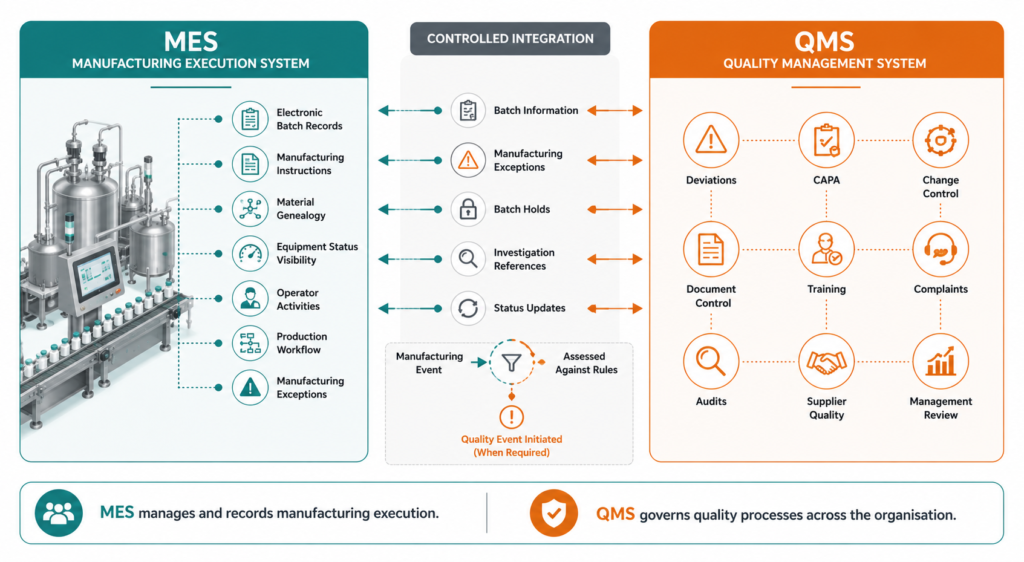
Let us put it simply: MES manages and records manufacturing execution at the shop-floor level, while QMS governs the broader quality processes required to maintain product quality, compliance and continual improvement.

It is also important to recognise that MES is generally a digital manufacturing application, while a QMS is the wider quality-management framework of an organisation. A QMS may be supported by electronic quality management software, commonly referred to as eQMS, but it is not limited to software alone.

Unclear system boundaries can result in duplicated workflows, disconnected records, incomplete traceability and gaps in validation. Understanding the role of each system is therefore important when planning pharmaceutical operations and digital infrastructure.

The ISA-95 framework places MES within manufacturing operations management, between enterprise-level business systems and lower-level plant automation and control systems. ICH Q10, in contrast, describes the broader pharmaceutical quality system across the product lifecycle. 

What Is an MES System in Pharmaceutical Manufacturing?

A MES system in pharmaceutical manufacturing is software that operates between the plant floor and the enterprise resource planning (ERP) layer. It follows manufacturing activities as they occur on the production floor.

Imagine it as the nervous system of a manufacturing plant. It gathers data from equipment, operators, and materials in real time, then exchanges relevant data with enterprise applications and plant-floor automation systems.

This is what an MES usually does:

  • Electronic batch records (EBR): replacing or supplementing paper batch records
  • Managing the recipes, formulas and manufacturing instructions for each production run
  • Monitoring equipment status and enforcing defined manufacturing-workflow requirements
  • Material genealogy, to trace every ingredient to its source
  • Scheduling and dispatching of work orders on the floor
  • Recording and escalating manufacturing exceptions when a process departs from defined limits

Depending on the application’s scope and configuration, an MES may also support operator identification, electronic signatures, material-status checks and connections with ERP, LIMS and quality systems.

A manufacturing execution system is designed to capture and analyse data in real time and ensure that every step of the manufacturing process complies with good manufacturing practices and regulatory requirements, such as FDA 21 CFR Part 11, where the system creates or maintains regulated electronic records.
However, Part 11 does not apply simply because a system is called MES. Its applicability depends on whether electronic records and electronic signatures are being used to meet requirements under applicable FDA regulations.
That last point is important. And in pharma, a MES is more than efficiency. It is about proving with a record that is held digitally that each batch was produced the way it was supposed to be produced.
FDA requirements call for complete production and control records for every drug-product batch, but they do not require manufacturers to use a software application specifically called MES. 

What Is a QMS in Pharma?

A Quality Management System (QMS) is the system that governs how a company manages quality across the whole company, not just on the production line. This includes documentation, training records, deviations, complaints, audits, corrective and preventive actions (CAPA), and supplier qualification, change control, management review and continual improvement..

MES is at the plant floor level, while QMS spans the entire enterprise. It answers questions such as these.

  • Was this deviation properly investigated and closed out?
  • Are all standard operating procedures up to date and approved?
  • Is every employee trained on the most recent version of a document?
  • Was the right root cause analysis triggered by a customer complaint?
  • Was a change evaluated for its potential effect on product quality, validation and regulatory compliance?
  • Was the effectiveness of a corrective or preventive action evaluated?

A QMS aligned with a framework such as ICH Q10 provides leadership visibility into whether the quality system itself is working, not just whether one batch passed inspection.
ICH Q10 describes a pharmaceutical quality-system model that includes process-performance and product-quality monitoring, CAPA, change management and management review. 

MES and QMS in Pharma: The Core Difference

MES and QMS in Pharma: The Core Difference

Here is the easiest way to differentiate between them:

  1. Manufacturing execution is managed and recorded through MES. It monitors what happens during manufacturing, step by step, in real or near-real time.
  2. QMS governs the wider quality processes. It manages quality events, procedures, investigations, approvals, corrective actions and continual improvement.
  3. An MES asks: Did this batch follow the approved recipe, and can I prove it?
  4. A QMS asks: “Is our quality system adequate overall, and are quality events being appropriately managed and resolved?”

Both systems can contain records that regulators will want to see during an inspection. Neither substitutes for the other.

However, QMS should not be viewed only as a software application. A pharmaceutical quality system also includes people, responsibilities, procedures, governance and management oversight. 

Why Integration Between MES and QMS Matters

Challenges arise when these two systems do not communicate with each other.
When MES and QMS are disconnected, teams may have to manually transfer manufacturing information into quality workflows. This can create delayed deviation reporting, duplicate data entry, inconsistent records and incomplete links between batch information and quality investigations.

This is a familiar story throughout the industry. MES is positioned within manufacturing operations management under the ISA-95 framework.
Vendors are increasingly developing unified platforms where MES and QMS share data rather than being separate silos. If there is a deviation on the line, an integrated system can initiate or provide information to a quality event, depending on the approved workflow and configured business rules, rather than relying on someone to see it and log it manually later.
Not every equipment alarm or process exception should automatically become a formal quality deviation. The company must define which events require quality assessment, which system owns each record and how the connected workflow will be reviewed and validated.

ISA-95 provides models and terminology for defining system boundaries and information exchanges between manufacturing-control and enterprise functions. 

This integration is not just a software choice for a facility. It changes how the plant is built from the ground up, how sensors are placed, how data moves from one system to another, and how validation is planned during construction. It may also affect equipment connectivity, instrumentation, OT networks, operator terminals, data ownership, cybersecurity and system-interface requirements. That’s the world of facility design and engineering, well before any software vendors are called in.”

How Facility Design Shapes MES and QMS Success

How Facility Design Shapes MES and QMS Success

It’s a common mistake to think of MES and QMS as IT systems that can simply be added after the facility is built. It turns out that the engineering of a plant has a direct impact on how easily MES and other production-related systems can be connected and implemented later.

If equipment, utilities, and cleanroom layouts are not designed with data capture and traceability in mind, teams have to retrofit sensors and workarounds after the fact. That adds cost and leaves holes in the traceability that MES is supposed to provide.

However, the effectiveness of a QMS depends not only on facility design but also on quality governance, procedures, responsibilities, training, system ownership, change management and management oversight. 

This is where a company such as Pharma Access comes into the picture.

Pharma Access is a turnkey pharmaceutical engineering partner offering engineering design, construction & installation, and commissioning, qualification & validation (CQV) for manufacturing facilities. Their project management & EPCMV services are focused on taking a facility from concept to operational readiness, which includes planning for the automation and data infrastructure that MES and QMS rely on later.
During concept, basic and detailed design, Pharma Access can support the engineering foundations needed for future digital-manufacturing systems. These may include equipment interfaces, instrumentation, OT infrastructure, utility monitoring, operator-access points, data pathways and validation responsibilities, depending on the agreed project scope.
The move to full digital traceability is a much easier process when a facility’s electrical, instrumentation, automation and cleanroom is built around these systems from day one.

This does not imply that Pharma Access supplies or configures MES or QMS software unless those activities are specifically included within its service scope.

EU GMP Annex 11 places computerised systems within the pharmaceutical quality system and addresses lifecycle risk management, validation and the qualification of IT infrastructure.

Practical Steps to Align MES and QMS in a Pharma Facility

Identify quality-critical process steps before selecting software.

  1. Determine what data should automatically flow from MES to QMS, such as deviations and manufacturing exceptions, nonconformances, batch holds and investigation references.
    Laboratory out-of-specification results are generally managed through laboratory and quality processes. Where LIMS is used, the required interfaces among LIMS, MES and QMS should also be defined. 
  2. Involve engineering and facility design teams early—not after equipment is in place Quality, manufacturing, IT, automation, engineering and validation teams should agree on system boundaries and infrastructure requirements before the design is finalised. .
  3. Test the integration, not just each system in isolation, Testing should confirm data mapping, timestamps, electronic signatures, record ownership, audit trails, exception handling and system recovery across the connected applications..
  4. Train operators on how the two systems work together so that a batch record and a quality event are never two separate stories.

If any of these steps are not performed, it usually manifests later as a data gap during an audit and is much more expensive to fix than to plan for in the first place.
WHO data-integrity guidance addresses data governance, data transfer, training, good documentation practices and controls for computerised systems. 

Regulatory Weight Behind Both Systems

MES and QMS are both of regulatory importance, but from different perspectives. FDA’s 21 CFR Part 11 covers electronic records and signatures, which are applicable where MES-generated electronic records or electronic signatures are used to meet requirements under applicable FDA regulations. Quality system regulations, in contrast, require a documented, auditable QMS that spans the life of the product, from raw material intake to post-market complaints.

Inspectors do not ask which system is ‘more important’. They assess whether the available records and quality processes demonstrate that a product was made safely, consistently, and in accordance with approved procedures? That proof only holds up if the shop floor data and the quality department data tell the same story.

For facilities supplying European markets, EU GMP Annex 11 should also be considered for GMP-relevant computerised systems. The current Annex 11 remains available through EudraLex Volume 4, while the European Commission has also undertaken consultation on proposed revisions.

Final Thoughts

MES and QMS in pharma are not competing systems. They are two sides of the same compliance and quality coin. In pharmaceuticals, real- or near-real-time visibility into and management of manufacturing execution, while a QMS provides the broader framework that keeps that process accountable.
Direct control of equipment and process conditions generally remains within equipment-control, PLC, DCS or SCADA systems. 

The meeting of the two starts long before software implementation. It starts with how a facility is designed, wired, and validated. This is why companies that are planning new or upgraded facilities often bring in experienced engineering partners early in the process, as retrofitting data infrastructure after construction is much more difficult than planning for it from the start.
A QMS is fundamental to pharmaceutical quality governance. MES, by comparison, is a technology choice that can strengthen manufacturing execution, electronic traceability and data availability, but it is not mandated by name. 

Frequently Asked Questions

1. What is the main difference between MES and QMS in pharma? 

MES handles production data in real time, batch records, and equipment tracking on the shop floor. QMS provides you with the overall quality framework, including deviations, CAPA, training records, and document control across the entire company.MES manages and records manufacturing execution, while QMS governs the processes through which quality is managed, investigated and improved. 

2. Can a pharma company use MES without a QMS, or vice versa? 

A pharmaceutical company can operate without a software application specifically called MES, provided it maintains appropriate manufacturing controls, records, traceability, review and data-integrity measures. Without a QMS, there’s no framework for managing deviations and corrective actions. Without MES, a company may use controlled paper records, another validated electronic application or an appropriately managed hybrid system. MES is not the only method of maintaining batch records and traceability.

3. Why should MES and QMS be integrated in pharmaceutical manufacturing? 

With integration, quality events can be initiated or supported using relevant production data, according to approved workflows and business rules. This fills gaps in traceability and speeds up finding and investigating deviations.Integration can also reduce duplicate data entry and improve the connection between manufacturing records and quality investigations. 

4. Does facility design really affect how well MES and QMS perform later? 

Yes. If sensors, utilities, and data infrastructure are not part of the facility design, teams are forced to retrofit systems after construction, which is costlier and often leads to gaps in traceability.This is particularly relevant to MES and its connections with equipment and automation systems. QMS performance also depends heavily on quality governance, procedures, training, system ownership and management oversight. 

5. Who should be involved when planning MES and QMS for a new pharma facility? 

Involve quality teams, IT, automation engineers, and the facility design or EPCMV partner early on. Manufacturing operations, validation, QC or laboratory representatives and equipment suppliers may also need to participate, depending on the project scope. Having these groups plan together from the start avoids costly rework later in the project.

Pharmaceutical Patents Expiring in FY2026–27: Manufacturing Readiness Beyond the Patent Date

Pharmaceutical Patents Expiring in FY2026–27: Manufacturing Readiness Beyond the Patent Date

Research cut-off date: 14 July 2026
Primary jurisdiction: United States
Fiscal-year period reviewed: 1 April 2026 to 31 March 2027

Pharmaceutical patent expiries in FY2026–27 may help generic manufacturers, API producers, CDMOs and facility owners identify products for further evaluation. However, a patent date should not be treated as a confirmed generic-launch date.

A pharmaceutical product may be protected by multiple patents covering the active ingredient, formulation, crystal form, manufacturing process, dosage regimen, indication or delivery device. Regulatory exclusivity, pediatric exclusivity, patent-term extensions, litigation, settlements and first-applicant exclusivity may also affect commercial entry.

For manufacturers, patent screening is therefore only the starting point. A viable programme must also consider regulatory approval, API availability, formulation development, process complexity, containment, equipment lead times, capacity, technology transfer, validation and GMP infrastructure.

Pharma Access supports pharmaceutical companies in translating a verified product strategy into practical manufacturing requirements. This may involve assessing an existing facility, adding a new production line, expanding a brownfield site or developing a greenfield plant.

Looking for verified patent and regulatory references without reading the full article? Jump straight to the Source Register. 

Understanding Patent Expiry and Loss of Exclusivity

Patent expiry is the end of one patent in a defined jurisdiction. It does not necessarily mean that all protection for the product has ended.

Regulatory exclusivity is separate from patent protection and may prevent competing applications from being submitted or approved for a defined period. Loss of exclusivity, or LOE, is a broader commercial term that may refer to the end of a key patent, regulatory exclusivity, pediatric exclusivity, a settlement date or the expected start of generic competition.

The FDA Orange Book identifies approved drug products together with associated U.S. patent and regulatory-exclusivity information. Even when one listed patent expires, market entry may still depend on later patents, litigation, settlement terms, ANDA status, labelling strategy and 180-day exclusivity.

Pharmaceutical Products Facing Patent Milestones in FY2026–27

Eliquis — Apixaban

Eliquis is an oral anticoagulant marketed by Bristol Myers Squibb and Pfizer. An FDA tentative-approval letter identifies U.S. Patent 6,967,208 with an expiry date of 21 November 2026, while another listed patent continues to 24 February 2031.

Bristol Myers Squibb identifies 2028 as its estimated minimum U.S. market-exclusivity date and states that certain settled generic companies may launch in 2028, subject to additional challenges. The November 2026 date should therefore be treated as one patent milestone, not the end of all U.S. protection.

For manufacturers, apixaban may still be relevant to API and oral-solid-dose capacity planning. Investment decisions should be linked to the target jurisdiction, legal pathway, regulatory status, supply strategy and expected entry arrangements.

Ibrance — Palbociclib

Ibrance is an oral CDK4/6 inhibitor marketed by Pfizer. Pfizer reported that a U.S. patent-term extension moved the expiry of RE47,739 to 5 March 2027. FDA records also identify later patents and potential 180-day generic exclusivity.

March 2027 is therefore a significant patent milestone rather than an uncontested product-level LOE date.

From an engineering perspective, palbociclib may require potent-compound controls, including contained dispensing and transfer, local exhaust ventilation, dust extraction, pressure control, equipment containment, campaign manufacturing, cleaning validation and controlled waste handling.

Trintellix — Vortioxetine

Trintellix is an immediate-release oral antidepressant marketed in the United States by Takeda. U.S. Patent 7,144,884 reached its identified expiry date on 17 June 2026, while FDA records continue to reference other patents, litigation and potential shared 180-day exclusivity.

A manufacturing assessment should review API solid-state characteristics, particle-size distribution, blend and content uniformity, dissolution, coating, stability, packaging and analytical-method transfer. Where an existing OSD plant is proposed, available dispensing, compression, coating, packaging and laboratory capacity should also be evaluated.

Rexulti — Brexpiprazole

Rexulti is an oral antipsychotic marketed by Otsuka with Lundbeck. FDA records identify four patents that expired on 12 April 2026, but later patents continue through December 2028 and October 2032.

For the reviewed Apotex ANDA, FDA stated that final approval could not be granted before 23 December 2028 based on the applicant’s certifications unless another legal or regulatory basis supported earlier approval.

Rexulti demonstrates why the expiry of several patents on one date cannot be treated as a complete LOE assessment.

Gilotrif — Afatinib

Gilotrif is an oral oncology medicine marketed by Boehringer Ingelheim. FDA records identify RE43,431 through 13 July 2026, while other patents continue beyond that date. The reviewed application received tentative approval, reinforcing the difference between technical regulatory acceptability and permission for commercial marketing.

A manufacturing programme may require potent API handling, HVAC segregation, differential-pressure control, contained transfer, equipment cleanability, cleaning limits, waste management and strong analytical capability.

Symproic — Naldemedine

Symproic is an oral treatment for opioid-induced constipation. Current U.S. ownership and commercial arrangements are more complex than a simple originator-versus-generic description. FDA records identify BioDelivery Sciences International as the NDA applicant, while Collegium states that it licenses U.S. commercialization rights from Shionogi.

A proposed 5 October 2026 date should not be published as a product-level U.S. LOE date until the current Orange Book patent stack, litigation position and any settlement or licensed-entry arrangements are reconfirmed.

Products Close to, but Outside, FY2026–27

Januvia and Janumet — Sitagliptin Products

For U.S. Januvia tablets, FDA records identify U.S. Patent 7,326,708 through 24 May 2027, after the end of FY2026–27. Immediate-release Janumet records include the same date and another patent through January 2029.

Januvia, Janumet and Janumet XR are separate products and applications and should not be combined into a single expiry date. They may still be relevant to medium-term planning for API sourcing, fixed-dose-combination development, high-volume compression, coating, packaging and analytical capacity.

Uptravi — Selexipag

Johnson & Johnson identifies pediatric exclusivity for U.S. Patent 7,205,302 through 30 April 2027 and lists additional patents extending into 2030, 2031 and 2037. The April 2027 date is outside FY2026–27 and is not the end of all U.S. protection.

Products Removed from the 2026 Opportunity Set

Erleada should not be presented as a March 2027 overall LOE opportunity because Johnson & Johnson identifies 2030 as the U.S. composition-of-matter patent expiry year and lists later patents.

Imbruvica should also be excluded from a straightforward 2026 opportunity list. Johnson & Johnson identifies 2028 as the U.S. composition-of-matter patent expiry year.

Sprycel is not awaiting initial U.S. generic entry; Bristol Myers Squibb reports that generic versions have entered the United States, European Union and Japan.

Saphris is also not a new first-entry opportunity arising from an October 2026 patent date because FDA approved an asenapine sublingual-tablet ANDA in 2018.

What the FY2026–27 Patent Landscape Means for Manufacturers

Patent milestones can support early portfolio screening, but manufacturing decisions should follow legal, regulatory, technical and engineering verification.

Legal and Regulatory Verification

Before committing engineering expenditure, companies should confirm the intended jurisdiction, current patent records, remaining formulation and method-of-use patents, patent-term or pediatric extensions, regulatory exclusivity, ANDA status, Paragraph III or IV certifications, label carve-outs, 180-day exclusivity, litigation, settlements and licensed-entry arrangements.

Engineering teams may use this information to develop schedules, but freedom to operate and commercial-launch risk should be assessed by qualified legal and regulatory advisers.

API, Formulation and Containment Readiness

The technical assessment should confirm that the API and finished product can be developed, scaled and transferred reproducibly. Key questions include route scalability, starting-material availability, impurity control, solid-state properties, particle size, dissolution, bioequivalence, analytical transfer, stability, packaging and cleaning limits.

For oncology or low-dose oral products, containment should be based on product-specific toxicological and occupational-exposure assessments. The resulting strategy may affect dispensing, closed transfer, local exhaust ventilation, dust extraction, room pressures, equipment segregation, campaign planning, cleaning validation and waste handling.

Capacity, Utilities and Technology Transfer

Capacity planning should consider commercial demand, batch size, campaign length, utilisation, changeover time, yield, packaging throughput, laboratory capacity, warehousing, maintenance access and future expansion.

Utility loads should be calculated from the actual equipment sequence and production strategy. Depending on the process, requirements may include purified water, process gases, compressed air, steam, chilled water, HVAC utilities, electrical systems, BMS, EMS and process automation.

Technology transfer must connect formulation and process knowledge with the receiving site’s equipment, utilities, automation, procedures and quality systems. Equipment-gap assessments, engineering batches, analytical transfer, cleaning development, registration batches, process qualification and continued verification should be planned early.

How Pharma Access Supports Patent-Driven Manufacturing Plans

Once a product opportunity has been independently verified, Pharma Access can assess whether it fits within an existing facility or requires a dedicated line, brownfield expansion or greenfield project.

The assessment may cover:

Feasibility and Project Planning

  • Facility feasibility and capacity assessments
  • Production-volume and expansion planning
  • Brownfield and greenfield project evaluation

Pharmaceutical Engineering and Process Design

  • Pharmaceutical facility engineering design
  • Process-flow and production-layout development
  • Personnel and material movement planning
  • GMP-facility integration

Equipment, Cleanrooms and Utility Systems

Procurement, Construction and Installation

Commissioning, Qualification and Validation

  • Commissioning and qualification planning
  • Facility, utility and equipment validation
  • CQV documentation and execution support

Project Management and EPCMV Delivery

  • Integrated project and schedule management
  • Engineering, procurement and construction coordination
  • EPCMV project-delivery support
  • Brownfield expansion and operational-site coordination

Pharma Access can then support engineering design, equipment planning, vendor coordination, construction, installation, Site Acceptance Testing, commissioning, qualification, validation and project management.

For brownfield projects, the strategy may also address phased execution, temporary routes, tie-in planning, HVAC shutdowns, construction controls and protection of adjacent GMP operations.

This integrated approach connects a verified product strategy with realistic capital requirements, engineering deliverables and execution schedules. Pharma Access does not provide patent opinions, predict court decisions or guarantee generic entry. Its role is to develop practical, compliant and scalable manufacturing infrastructure after the legal, regulatory and commercial pathway has been established.

Why Choose Pharma Access?

Preparing for a generic or pharmaceutical manufacturing opportunity requires more than identifying a molecule and patent date. The facility must reflect the process, product characteristics, containment requirements, production volume, target markets and long-term operating strategy.

Pharma Access provides integrated pharmaceutical engineering and turnkey project-delivery support across feasibility, process and equipment planning, cleanrooms, HVAC, utilities, automation, construction, installation, CQV, project management and EPCMV delivery.

Whether the project involves an OSD line, potent oncology facility, API unit, sterile production or biotechnology infrastructure, Pharma Access helps translate manufacturing requirements into an executable engineering and project-delivery plan.

Planning capacity for a new generic, API or pharmaceutical product? Connect with Pharma Access to evaluate process, facility, equipment, containment, utility and CQV requirements before major project decisions are finalised.

The patent and exclusivity information in this article is provided for general industry awareness and is based on publicly available information reviewed as of 14 July 2026. Patent status, litigation, regulatory exclusivity and market-entry timelines may change and vary by jurisdiction, formulation, dosage form, indication and product. Companies should complete independent legal, regulatory and commercial due diligence before making manufacturing or investment decisions.

Source Register

Frequently Asked Questions

Which pharmaceutical patents are expected to expire in 2026?

Selected U.S. milestones include an Eliquis patent on 21 November, a Trintellix patent on 17 June, four Rexulti patents on 12 April and a Gilotrif patent on 13 July. These are individual patent dates, not confirmed product-level LOE dates.

Does patent expiry allow immediate generic entry?

No. Other patents, regulatory exclusivity, litigation, settlements, tentative approval, 180-day exclusivity or labelling issues may still delay entry. Manufacturing readiness, stability, bioequivalence and cGMP compliance may also affect launch timing.

How early should capacity planning begin?

Planning should begin early enough to complete feasibility, development, equipment selection, procurement, facility work, technology transfer, CQV and regulatory batches before the intended commercial date. The schedule depends on dosage form, containment needs, existing infrastructure and equipment lead times.

Why is CQV important when adding a manufacturing line?

CQV provides documented evidence that facilities, utilities, equipment and systems are installed and operate as intended. Considering CQV during design allows user requirements, design reviews, vendor documentation, FAT, SAT, IQ and OQ activities to be developed as one coordinated programme.

Turnkey Pharmaceutical Plant in Saudi Arabia: 10 Critical Stages

Turnkey Pharmaceutical Plant in Saudi Arabia: 10 Critical Stages

Turnkey Pharmaceutical Plant in Saudi Arabia projects are becoming increasingly important as Saudi Arabia develops one of the most ambitious pharmaceutical industries in the Middle East. The Kingdom’s pharmaceutical market reached a value of about USD 11.6 billion in 2024. Around 30% of pharmaceutical products are manufactured locally, according to official Saudi investment material. That figure has a clear target under Vision 2030: to localise 40% of the market value in the pharmaceutical industry through domestic manufacturing investment, industrial zone development, and technology transfer partnerships.

Pharma companies looking to enter or expand in the Saudi market often find themselves asking one question early on: what does it actually mean to set up a compliant, production-ready plant? For most projects, the answer is a Pharma Turnkey Solutions in Saudi Arabia, an integrated project-delivery model that covers all stages from initial design to qualified and documented handover.

Here’s a look at what’s in that model, why it matters in the Saudi context, and what investors and manufacturers need to know before they begin the project.

1. Why Saudi Arabia Demands a Turnkey Approach

Building a pharmaceutical facility is not the same as building a typical industrial warehouse.

 The Saudi Food and Drug Authority (SFDA) GMP Guidelines aligned with internationally recognised GMP principles, including applicable PIC/S guidance.
All room classifications, airflow patterns, surface finishes and drainage points must be designed according to the dosage form, process and contamination-control requirements. The SFDA conducts site inspections, with the duration depending on the facility scope and complexity, and can issue non-compliance findings that can delay licensing, GMP certification or related regulatory activities. 

With a turnkey approach, one engineering partner handles the full scope: design, procurement, construction, installation, commissioning, and qualification and validation (CQV). That one point of responsibility reduces the gaps in coordination that happen when you have more than one contractor working separately. When all disciplines report to one team, compliance is designed from day one, not corrected at the end.

Vision 2030 aims to localise 40% of the market value in the pharmaceutical industry. Companies that can quickly and compliantly commission facilities will be best positioned to capture that growth.

2. Pre-Project Feasibility and Site Assessment

Every turnkey pharmaceutical plant in Saudi Arabia starts a long way before the first brick is laid.

The feasibility phase includes the following:

  1. Site assessment – evaluating availability of land, classification of industrial zone, proximity to utilities, site-access requirements and capacity of local infrastructure
  2. Regulatory mapping – what SFDA licensing and registration pathways https://www.sfda.gov.sa/en/news/88414 are relevant for the product type (e.g., oral solid dosage, sterile injectables, biologics, API, etc.)
  3. Production capacity planning – determining batch sizes, room requirements, equipment capacities and throughput demands from market forecasts
  4. Budget framework — preparing a capital expenditure estimate prior to detailed design

A typical greenfield pharmaceutical facility, from concept approval to first product batch, may take 3 to 5 years. This may include design (6-12 months), construction (12-24 months), and CQV (12-18 months) although activities may overlap and timelines depend on project complexity, equipment lead times and regulatory requirements.Modular construction approaches can reduce selected project phases when design standardisation, site readiness, approvals and logistics are properly coordinated.

A detailed upfront feasibility assessment helps keep the timeline on track and avoids costly redesigns down the line.

3. Engineering Design — the Foundation of GMP Compliance

The principle is straightforward.
Good manufacturing practice is not something you tick off at the end of the day. It is a core design consideration. Every choice in the engineering phase, from room pressure differentials to floor drain placement, either helps or hurts the regulatory outcome.

A full pharma engineering solution package in Saudi Arabia comprises the following:

  • Process design — setting up production workflows, room adjacencies, and personnel, material, product and waste-flow paths to prevent cross-contamination
  • Architectural and structural design – selection of wall systems, types of ceilings, floor coatings, and door specifications to meet cleanroom requirements;
  • HVAC design — engineering heating, ventilation, and air conditioning systems to maintain the required cleanroom grades or controlled environmental conditions,  temperature, humidity, and differential pressure
  • MEP systems – mechanical, electrical, and plumbing design, including compressed air, nitrogen, clean steam, and Water for Injection where required by the process.
  • Automation and IT – Building Management Systems (BMS), Environmental Monitoring Systems (EMS), and SCADA Integration
  • ELV systems – access control, CCTV, and fire and life safety systems
  • Quality control laboratory – a dedicated, appropriately controlled QC laboratory for in-process testing and batch release

Today, pharmaceutical engineering solutions utilise simulation-based tools before the construction phase. GMP compliance is designed into the project rather than retrofitted into the project later in the project lifecycle, with more sophisticated simulation tools to model HVAC performance, room classification, and material flow paths by engineering teams.

Digital-twin technology is also being evaluated in pharmaceutical manufacturing projects. Turnkey companies may develop these simulation models as part of the design package, giving the client a virtual facility to stress-test before a single beam is put up.

4. Procurement and Supply Chain Management

Pharmaceutical process equipment is not a ready-to-use item. The tablet press machines, isolators, autoclaves, WFI generation systems, and cleanroom air handling units all come from specialised suppliers with different technical capabilities, documentation standards and delivery timelines. Mistakes in procurement, such as purchasing equipment that does not meet the approved User Requirement Specification or cannot support documented qualification, can cost months of delay.

A turnkey project covers procurement for the following:

  • Manufacturing process equipment (granulators, coaters, fillers, capsule filling machines, lyophilisers, etc., depending on the dosage form)
  • Utility equipment (water purification systems, clean steam generators, compressed gas systems)
  • Cleanroom panels, doors, and pass-through systems
  • HVAC air handling units and filtration
  • Analytical equipment and laboratory instruments
  • Automation Equipment (PLCs, SCADA, DCS)

In turnkey pharmaceutical projects, the procurement process favours the use of technically evaluated and qualified suppliers and equipment with a history of success in the pharmaceutical sector and documentation that supports GMP qualification.

Procurement for a turnkey pharmaceutical plant in Saudi Arabia also involves customs documentation, clearance through the Zakat, Tax and Customs Authority (ZATCA), and liaison with local freight agents. Part of the scope is an experienced turnkey partner who handles all of this in accordance with the agreed procurement and logistics responsibilities. 

5. Construction and Installation

Construction and Installation

GMP facility construction is unlike your typical civil construction in several ways. 1. Materials must be traceable. Cleanroom panels need to be installed in a controlled sequence. HVAC ductwork must be protected from contamination and internally clean before installation. Any change from the approved design must be handled through a formal change-control process.

The construction phase consists of:

  • Civil, Structural & Foundation Works
  • Installation of cleanroom wall, ceiling, and floor
  • HVAC ductwork fabrication and installation
  • Piping and plumbing of process and utility services
  • Installation of lighting and electricity
  • Fire suppression and life safety systems
  • Site infrastructure and landscaping

During the construction phase, strict quality assurance practices are followed to ensure the integrity of the cleanroom and the traceability of the materials. The construction teams also work closely with engineering and validation units to maintain quality checkpoints such as material inspections, installation checks, duct-cleanliness inspections, pressure testing and punch-point closure.

In Saudi Arabia, construction must also adhere to applicable Saudi Building Code requirements, SASO standards, and coordinate with municipal authorities for permits and inspections.

6. Pharma Effluent Treatment and Waste Management

“Here is an area that investors sometimes underestimate until it becomes a project or environmental-compliance issue.

One of the most important requirements for pharmaceutical factories in the Kingdom of Saudi Arabia is an approved wastewater-management strategy appropriate to the effluent characteristics and site conditions. Active pharmaceutical ingredients (APIs), solvents, and cleaning agents present in the wastewater must be treated to acceptable concentrations before discharge to the drainage system, in accordance with the applicable permit and discharge limits.

Depending on the industrial zone, available infrastructure and wastewater characteristics, this may involve on-site treatment, pretreatment before discharge or connection to an authorised central treatment system.

A typical pharmaceutical effluent-treatment system may include the following:

  • Pre-treatment (pH neutralization, solids removal)
  • Biological treatment (activated sludge, MBBR, or MBR technology)
  • Tertiary treatment (filtration, disinfection)
  • Re-use options for treated water (cooling systems, irrigation, cleaning)

Advanced membrane bioreactor (MBR) technology provides high-quality treated water without chemicals and produces clear, low-suspension output that is suitable for reuse in cleaning, cooling, and landscaping applications. These systems are ideal for new pharma plants or upgrades to existing facilities in Saudi Arabia and the UAE.

A properly designed system for treating the effluent is necessary where required by the environmental permit and discharge conditions. It is not a universal standalone condition of the SFDA manufacturing licence, although the facility must comply with all applicable environmental and industrial-zone requirements.

7. Commissioning, Qualification, and Validation (CQV)

Commissioning, Qualification, and Validation (CQV)

This is the point at which documented evidence is generated to support the facility’s GMP readiness. CQV is a systematic process to demonstrate that all systems, rooms, and equipment operate as required, within the limits necessary for drug production.

Let’s break it down into three stages:

  • Commissioning – Ensuring all systems are installed properly and functioning as specified by the engineering team.
  • Qualification – the four-step GMP check sequence:
  • Design Qualification (DQ): confirms that the design fulfills approved User Requirement Specification and applicable GMP requirements
  • IQ (Installation Qualification): Equipment is installed and configured according to approved drawings, specifications and manufacturer requirements
  • Operational Qualification (OQ): confirms equipment functions properly across defined operating ranges and control functions.
  • Performance Qualification (PQ): confirms that the equipment can consistently deliver results under normal manufacturing conditions
  • Validation – Process validation, cleaning validation, and computer system validation (CSV) of any software-controlled equipment or systems.

In the pharmaceutical industry, turnkey solutions are typically handled via EPC (Engineering, Procurement, Construction) or EPCM contracts.


These are different delivery models. Under EPCM, the provider manages engineering, procurement and construction activities on behalf of the owner rather than acting as the construction contractor.
In the EPC turnkey model, the provider assumes the responsibilities and risks allocated in the contract, and GMP-compliant validation support may form part of the turnkey handover, depending on the agreed scope. In technical commissioning, a clear distinction is made between the Factory Acceptance Test (FAT) at the manufacturer’s plant and the Site Acceptance Test (SAT) at the final location. FAT and SAT records may support qualification but do not automatically replace IQ or OQ unless this approach is justified and documented. 

The documentation package produced by the CQV process is what the SFDA inspectors review during a GMP inspection. It supports the regulatory readiness of the facility.

8. Regulatory Readiness and SFDA Licence Preparation

Setting up a turnkey pharmaceutical plant in Saudi Arabia requires working with the SFDA at every step, not just at the end.

Manufacturers in Saudi Arabia must be licensed by the SFDA. Facilities are regularly audited for GMPs and inspected by regulatory agencies. Domestic and foreign manufacturers are required to comply with the SFDA’s GMP Guidelines, which are aligned with internationally recognised GMP principles and applicable PIC/S guidance. Depending on the manufacturer’s legal structure and registration pathway, a Saudi entity, authorised agent or local representative may be required for specific regulatory activities.

The SFDA inspection team may visit the site to conduct a comprehensive GMP evaluation of relevant production lines, utilities, quality systems and supporting operations. Manufacturing sites can expect a tough three- to five-day assessment.

A turnkey partner with experience in the MENA region can prepare the regulatory documentation of the facility in parallel with the construction so that GMP dossiers are ready when the building is ready.

9. Project Management Across the Full Lifecycle

Project Management Across the Full Lifecycle

A turnkey pharmaceutical plant is not a construction contract. It is a programme management exercise that spans years and involves dozens of specialist disciplines.

Pharma turnkey solutions include dedicated project management covering the following:

  • Master programme planning and schedule control
  • Cost management and change control
  • Risk tracking and mitigation planning
  • Vendor and subcontractor management
  • Document control and regulatory correspondence
  • Commissioning and handover coordination

One central team manages architecture, mechanical systems, and specific process workflows under a single point of responsibility for the entire build. This centralised structure minimises technical errors and prevents costly redesign loops. Engineering teams communicate directly with equipment manufacturers to ensure technical coordination across equipment, utilities and facility interfaces.

Pharma Access, with 25+ years of experience and more than 120 projects across 18+ countries, including projects in Saudi Arabia and other MENA markets, uses this integrated project-management model to support schedule, cost and execution control across complex pharmaceutical projects.

10. What the Turnkey Handover Actually Looks Like

At the end of a well-executed turnkey project, the client receives much more than a set of building keys.

A full turnkey package for a pharmaceutical plant in Saudi Arabia comprises:

  • A fully commissioned facility with systems qualified within the agreed CQV scope and supporting documentation.
  • Complete set of as-built engineering drawings.
  • Maintenance schedules, spare-parts lists and equipment manuals.
  • Facility operating SOPs, where included in the agreed project scope.
  • Qualification and validation protocols and reports according to the agreed project responsibilities.
  • Staff training records for the equipment, utilities and systems covered by the provider.
  • A GMP-compliant regulatory-readiness documentation package.

Thereafter, the client can complete the remaining SFDA manufacturing-licence, GMP-certification, product-registration, technology-transfer and operational-readiness activities. Commercial manufacturing can begin after the required approvals, quality systems, validated processes and product authorisations are in place. 

Frequently Asked Questions

What is a turnkey pharmaceutical plant in Saudi Arabia? 

A turnkey pharmaceutical plant in Saudi Arabia is a contract for the complete facility setup, where one company is responsible for the design, procurement, construction, installation, and validation. The client receives a facility ready for SFDA GMP inspection and commercial production at handover, without having to deal with multiple independent contractors.

How long does it take to set up a pharmaceutical manufacturing plant in Saudi Arabia? 

In a greenfield pharmaceutical plant, it usually takes three to five years from concept to the first batch of production. These include 6-12 months of design, 12-24 months of construction, and 12-18 months of commissioning, qualification, and validation. Although these phases may overlap and the schedule depends on the project scope.

What does SFDA require for pharmaceutical manufacturing approval in Saudi Arabia? 

All sites for the manufacture of pharmaceuticals require a GMP licence from the SFDA. Manufacturers are required to adhere to the SFDA GMP Guidelines based on the WHO and PIC/S standards, submit a Common Technical Document (CTD) dossier for each product, and pass a site inspection, including facility design, equipment qualification, documentation systems, and review of the live production line.

Do pharmaceutical plants in Saudi Arabia need effluent treatment systems? 

Yes. Pharmaceutical manufacturers must have an approved wastewater-management approach that meets the applicable environmental, industrial-zone and discharge requirements.The facility setup may require on-site treatment, pretreatment before discharge or connection to an authorised central treatment system, depending on the wastewater characteristics and site infrastructure.In the Kingdom, membrane bioreactor technology is one of several treatment technologies that may be considered, depending on the effluent composition, treatment objectives and permitted discharge or reuse conditions.

How does pharma engineering with simulation tools improve a turnkey project?

The project team can model HVAC performance, cleanroom pressure differentials, and material flow paths before construction by using simulation-based engineering. This allows design problems to be found early, when they are easier and less costly to fix, rather than during construction or CQV, when they are expensive and time-consuming to correct.Simulation-based engineering forms part of Pharma Access’s approach to pharmaceutical-facility design and integrated project delivery.

Benefits of Pharma Turnkey Consultancy Services for Your Next Facility Project

Benefits of Pharma Turnkey Consultancy Services Solutions

It is no small feat to build a pharmaceutical manufacturing facility. You need architects who understand GMP facility design and cleanroom classifications , you need engineers who know HVAC systems for controlled and sterile manufacturing environments, and a team that can support commissioning and qualification without fragmented communication between multiple project stakeholders.
This is where pharma turnkey consultancy services come in. Work with one partner who takes care of the design, the build, and the handover within an agreed project scope, rather than working with ten different vendors, hoping they talk to each other.

That is why this approach has become increasingly relevant for pharmaceutical facility projects. Here is what it looks like on a real project.

What This Type of Consultancy Actually Covers

What This Type of Consultancy Actually Covers

The turnkey consultant doesn’t just draw plans and then go away. The scope is usually everything from that first concept sketch to the day you turn the key and prepare the facility for production. That usually involves:

  • Mechanical, Electrical, Plumbing, Cleanroom Layout (Pharmaceutical Facility Design)
  • Procurement of machinery and process equipment
  • Construction and installation
  • Commissioning, Qualification and Validation (CQV)
  • Project management from start to finish

Because one team has all these pieces, you have fewer gaps between design intent and what’s actually built. If the cleanroom drawing does not match what the HVAC contractor installs, that mismatch is caught early rather than during qualification or a regulatory inspection.

Why Pharmaceutical Companies Turn to Turnkey Consultants

One Team, One Contract, One Point of Contact

Divide a facility project into a design firm, a construction contractor, and a validation consultant, and you have the person who has to tie them all together. All change orders may require multiple approvals. Responsibility for every delay can also become unclear. In a turnkey model, one contract covers the whole scope, and one team is responsible for the outcome. If an issue arises, you know exactly who to call.

Shorter Build Times

Shorter Build Times

When design, procurement, and construction are all under one roof, they can be better controlled. The construction crew doesn’t wait weeks to get an answer to a question from a design firm because the engineers sit down the hall. One team follows both timelines to the same master schedule, allowing equipment procurement to begin while civil work is still underway. That overlap could shorten the overall project timeline by several months on a complex facility project.

Regulatory Know-How From the Start

Regulatory Know-How From the Start

Preparing a facility for FDA assessment and inspection is not something you tack on at the end. The Current Good Manufacturing Practice (CGMP) regulations in 21 CFR Parts 210 and 211 outline the minimum requirements for the methods, facilities, and controls used in the manufacture of a drug product.
The inspectors look at the physical building as well as the paperwork and operational systems  to ensure compliance with these rules. The FDA’s review of new and generic drug marketing applications includes an assessment as to whether the manufacturer is in compliance with CGMP. The agency’s assessors determine if the firm has the facilities, equipment, and ability to manufacture the drug it plans to market. Good pharmaceutical engineering consultants integrate cleanroom classifications, airflow design, and documentation practices into the layout from day one, so the building supports an inspection instead of fighting it. In addition to FDA rules, many projects must also comply with WHO good manufacturing practice guidelines, which establish quality standards for production and quality control and require that personnel, premises, and materials be suitable for the production of pharmaceuticals and biologicals, including vaccines.
For API manufacturing projects, ICH Q7 may also be relevant, depending on the product, project location and intended regulatory markets. 

The turnkey consultant can support GMP-aligned facility design, qualification and inspection readiness, but the pharmaceutical manufacturer remains responsible for its quality system, regulatory submissions, process validation and ongoing GMP operations.

Budget Certainty

Scope changes are often the cause of facility build cost overruns that no one caught in time. A turnkey partner may quote the defined project scope upfront – equipment, labour, validation, etc. – so you don’t get surprise change orders three months into construction. Of course, you still have to read the contract in detail, but the fact that there is one accountable scope makes it a lot easier to track spend against a fixed baseline. Final project costs can still be affected by client-requested changes, unforeseen site conditions, equipment changes, regulatory requirements and other contract exclusions. 

Access to Specialized Facility Design Skills

Sterile injectable lines, biotech suites, and oral solid dosage plants all have different HVAC pressure cascades, material flows, and equipment layouts. Experienced pharmaceutical facility consultants have engineers who have already solved these problems on other projects. That kind of pattern recognition, the ability to know which layout errors lead to validation headaches down the road, is hard to develop in-house unless facility construction is a regular part of your business.

What Sets the Top Pharma Consulting Firms Apart

Not every company that calls itself a turnkey provider actually does end-to-end work. Here’s what to watch for:

  1. Experience with comparable dosage forms: A company that already has oral solid-dose plants may not have the same experience levels in sterile injectables or cell and gene therapy suites. Ask for references of projects that are similar to your product type.
  2. Drawings outsourced, in-house engineering, not only: Companies with their own mechanical, electrical, and process design teams can move faster and catch conflicts before construction starts.
  3. Proper CQV process: Commissioning, qualification, and validation should be planned in parallel with design and not as a final step.
  4. Certifications to support their cases: A company with documented internal processes may hold certifications such as ISO 9001 for quality, ISO 14001 for the environment, and ISO 45001 for health and safety. These certifications should be evaluated alongside relevant project experience, engineering capabilities and client references. 
  5. A project management structure you can feel: You want named contacts, not a revolving door of subcontractors.

One company that has built on this model is Mumbai-based engineering and construction firm Pharma Access. With more than 25 years of experience , it has worked on pharma and biotech facility projects in more than 18+ countries, including biotech, sterile manufacturing, oral solid dosage, oral liquid dosage, and API facilities. 120+ projects for more than 100 clients.It is ISO 9001, ISO 14001, and ISO 45001-certified. The point is not that one firm fits all projects. It is the sort of background that is worth checking out before you sign anything.

How Pharma Turnkey Consultants Handle a Project, Step by Step

How Pharma Turnkey Consultants Handle a Project, Step by Step

A typical turnkey engagement typically follows a five-step process:

  1. Feasibility and design concept: The consultant will review your product mix, capacity requirements, and site options and develop an early layout and budget range.
  2. Detailed engineering: Mechanical, electrical, plumbing, and process drawings are finalised, as well as cleanroom classifications and equipment specifications.
  3. Procurement and construction: Equipment was ordered, civil work started, and installation according to the coordinated schedule.
  4. Commissioning, qualification & validation: Facilities, utilities and equipment are tested and qualified for their intended use.Documentation is compiled. The facility is prepared for regulatory inspection.
    Process validation activities are completed by, or in coordination with, the manufacturer’s quality and production teams. 
  5. Handover and support: Operators are trained, and the facility is handed over to your production team.
  6. This is an important order: One of the most common reasons projects go over budget is that construction begins before the design is sufficiently developed.

Common Mistakes to Avoid When Hiring a Turnkey Partner

  • Going by price only: The low bidder may not include the same level of detailed engineering, which comes out later as change orders.
  • Not checking dosage-form experience: A company that’s strong in tablets may struggle in sterile rooms.
  • Skipping CQV planning until construction is done: CQV must be in on the design discussion from the beginning.
  • Not reviewing earlier projects: Photos and case studies do not tell you how a facility actually works.

A short list like this can save you months of rework once you get into the contract negotiations with a pharma turnkey consultancy firm.

Wrapping Up

Pharma turnkey consultancy services are designed to take the headache of coordinating the construction of a compliant, working facility from scratch. You have one team that is responsible for the agreed design, construction and CQV scope, which can mean better-controlled timelines, greater budget visibility and fewer late-stage surprises before inspection. That combination of engineering depth and hands-on project delivery can look like companies such as Pharma Access. The questions to ask are the same if you go with a big firm or a smaller specialist. What have they built before? Who owns the schedule, and how early does validation planning start?

Frequently Asked Questions

What is the difference between a turnkey consultant and a regular engineering firm? 

A design-only engineering company only designs, so you have to hire separate contractors for construction and validation. A turnkey consultant takes design, procurement, construction, and CQV and bundles them into a single contract, with one team responsible for agreed facility-project scope.

How long does a typical pharma turnkey project take? 

Timelines depend on the type and size of facility, but a small to mid-size  oral solid dosage plant may take approximately  18 to 24 months from design to handover. Sterile or biotech facilities usually take longer due to additional cleanroom and validation requirements.These timelines are indicative and can vary depending on project scope, site conditions, regulatory requirements, approval timelines and equipment lead times. 

Do turnkey consultants handle FDA and WHO compliance documentation? 

Most experienced companies includeGMP and qualification requirements design, such as cleanroom classification, airflow studies, and facility, utility and equipment qualification documentation, to support compliance with FDA CGMP requirements as well as WHO good manufacturing practice guidance. However, the manufacturer remains responsible for its pharmaceutical quality system, batch documentation, process validation, regulatory submissions and ongoing GMP compliance. 

Is a turnkey model more expensive than hiring separate contractors? 

Not necessarily. It might seem that the initial quote is higher, but one accountable contract tends to mitigate the change orders and delays that drive up costs with multiple vendors.

Can a turnkey consultant work on an existing facility, not just a new build? 

Yup. Many companies perform brownfield expansions and upgrades within existing facilities, applying the same design-build-validate approach to adding capacity or new product lines without shutting down existing operations.